86 search results for: type 2 inflammation
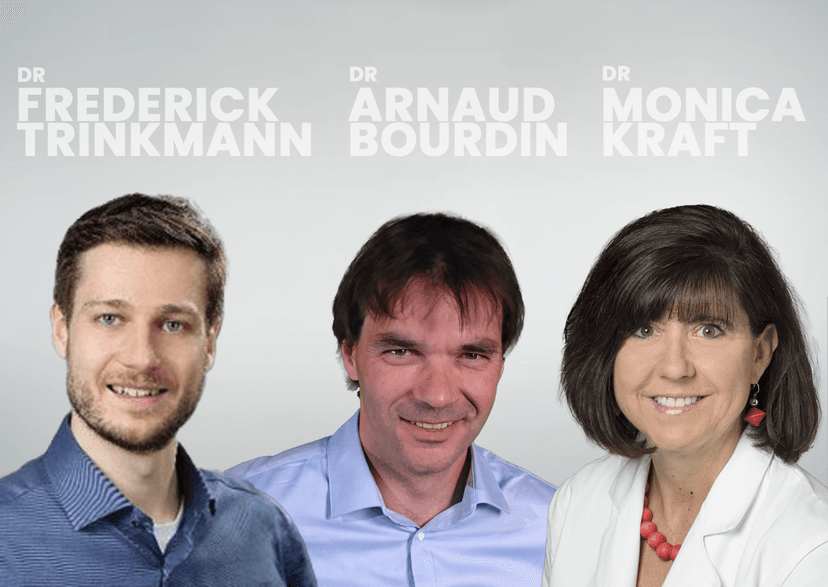
ERS 2026 | Distal Airways, Central Role? Clinical Insights Into Type 2 Severe Asthma
Join experts Frederik Trinkmann, Monica Kraft, and Arnaud Bourdin on an ADVENT educational symposium, “Distal Airways, Central Role? Clinical Insights Into Type 2 Severe Asthma."

Interplay of Barrier Dysfunction and Type 2 Inflammation in EoE
Learn from Prof. Seema Aceves about the interconnectivity of type 2 inflammation and barrier dysfunction in mediating EoE pathophysiology.
IFOS 2023 | Type 2 Inflammation and Clinically Relevant Improvements in CRSwNP
Dr. Stella Lee and Profs. Peter Hellings and Wytske Fokkens discuss type 2 inflammation, partnering with patients to improve outcomes, and real-world data on biologic effectiveness in CRSwNP.
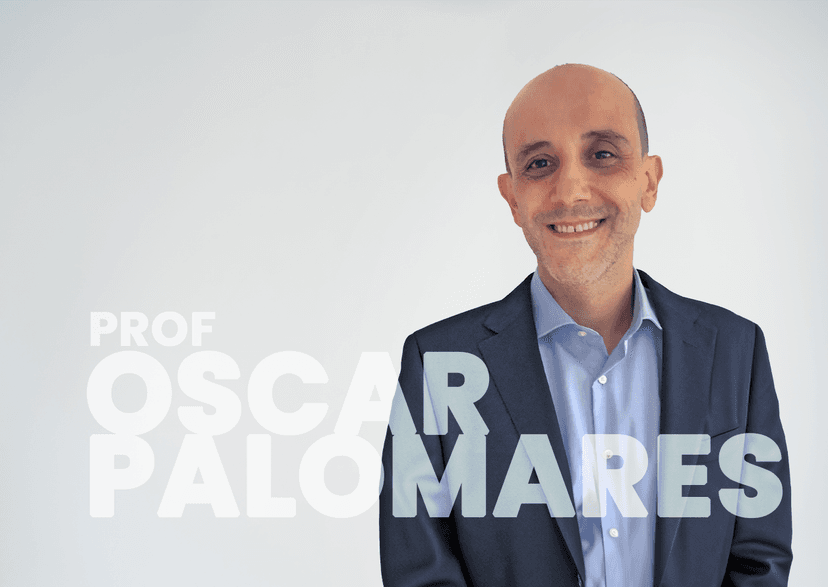
Type 2 Inflammatory Diseases Can Negatively Impact Patients and Their Caregivers
In this soundbite video from the April 2025 ADVENT Forum in Lisbon, Portugal, Prof Oscar Palomares highlights the substantial impact of type 2 inflammatory diseases on the quality of life of patients and their caregivers.
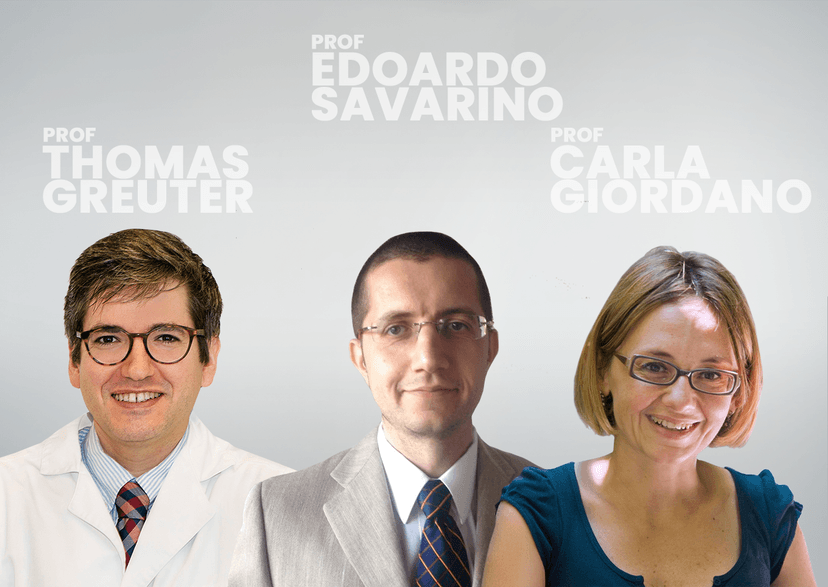
UEG 2025 | Understanding Type 2 Inflammation in EoE: A Case-Based Discussion
Profs. Greuter, Savarino, and Giordano discuss best practices for EoE identification, multidimensional EoE assessment, and transition of care.

Type 2 Cytokines Have Multiple Critical Roles in BP That Contribute to Inflammation and Itch
In this soundbite video from the April 2025 ADVENT Forum in Lisbon, Portugal, Dr. Eric Simpson outlines why early, targeted control of type 2 inflammation may modify the course of atopic dermatitis by addressing upstream drivers of barrier dysfunction, dysbiosis, and itch.

Under the Itchy Surface: The Insidious, Cumulative Burden of Type 2 Inflammation in AD
In this soundbite video from the March 2025 ADVENT symposium in Orlando, Florida, Dr. Eric Simpson highlights the systemic nature of atopic dermatitis (AD) and how the disease burden extends beyond the skin. Through the lens of cumulative life course impairment, Dr. Simpson explores how persistent type 2 inflammation in AD may drive both atopic and nonatopic comorbidities, emphasizing the importance of early, effective treatment to alter disease progression.

Under the Itchy Surface: The Insidious, Cumulative Burden of Type 2 Inflammation in AD
In this video from the March 2025 ADVENT symposium in Orlando, Florida, Dr. Eric Simpson discusses the systemic nature of atopic dermatitis (AD) and how the disease burden extends beyond the skin. Through the lens of cumulative life course impairment, Dr. Simpson goes on to explore how persistent type 2 inflammation in AD may drive both atopic and nonatopic comorbidities, emphasizing the potential importance of early and effective therapeutic intervention to alter disease progression
EoE: A Chronic, Progressive, Type 2 Inflammatory Disease Infographic
Learn about key drivers of type 2 inflammation in EoE and how they mediate progressive esophageal remodeling and impact patient burden

The Role of IL-4 and IL-13 in CSU Pathogenesis
Dive into the complex pathophysiology of chronic spontaneous urticaria (CSU), where mast cell degranulation drives the hallmark signs and symptoms. This interactive infographic elucidates how key type 2 cytokines, specifically IL-4 and IL-13, contribute to mast cell activation, immune cell trafficking into the skin, and neuronal sensitization in CSU, which ultimately leads to the release of mediators like histamine that cause wheals, angioedema, and itch.
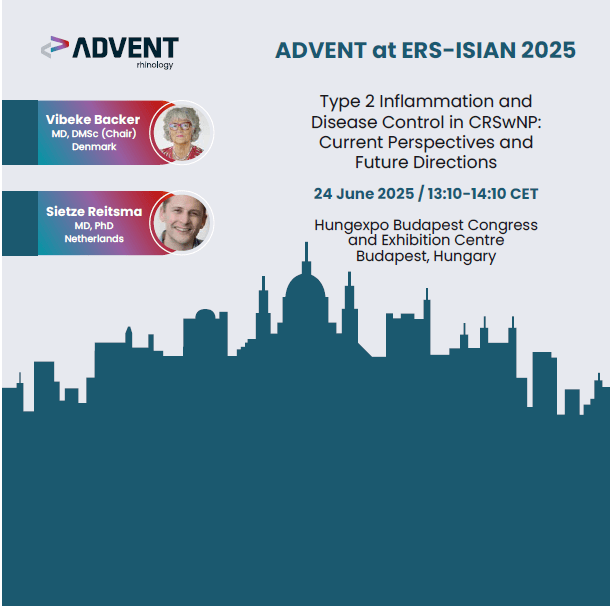
ADVENT at ERS-ISIAN 2025
Join experts Vibeke Backer, MD, DMSC, and Sietze Reitsma, MD, at an educational symposium involving a comprehensive exploration of the type 2 inflammation and its pivotal role in the pathogenesis and management of CRSwNP.
