204 search results for: Burden of Disease
Diagnosis of Bullous Pemphigoid Interactive Patient Case
An interactive patient case tool involving a deeper dive into assessing clinical presentation when diagnosing bullous pemphigoid (BP)
Lung Function Decline: Why it Matters and What’s at Stake for Patients
Understand the drivers of lung function decline in chronic obstructive pulmonary disease (COPD), including chronic inflammation, key risk factors, and the impact on patient well-being .

CRSwNP Triathlon: An Interactive Learning Experience
Embark on this interactive triathlon challenge to uncover the interplay of type 2 inflammation, barrier dysfunction, and neuroimmune dysregulation in the disease pathology of CRSwNP.

COPD and Asthma: What's the Difference and Is There a Link?
Explore the characteristics of COPD and asthma, focusing on their shared inflammatory mechanisms and key clinical differences.

Eosinophils: A Biomarker in COPD
Learn how to identify chronic obstructive pulmonary disease (COPD) patients with type 2 inflammation using blood eosinophil (EOS) levels, understand the associated risks, and recognize factors that may influence EOS counts.

Interplay of Barrier Dysfunction and Type 2 Inflammation in EoE
Learn from Prof. Seema Aceves about the interconnectivity of type 2 inflammation and barrier dysfunction in mediating EoE pathophysiology.

Decoding Chronic Itch and More in PN: Implications of Real-World Data for Clinical Practice
This symposium highlights type 2 inflammation as a key driver of chronic itch and the characteristic skin lesions of prurigo nodularis and evaluates the real-world implications of targeted therapies on clinical practice.
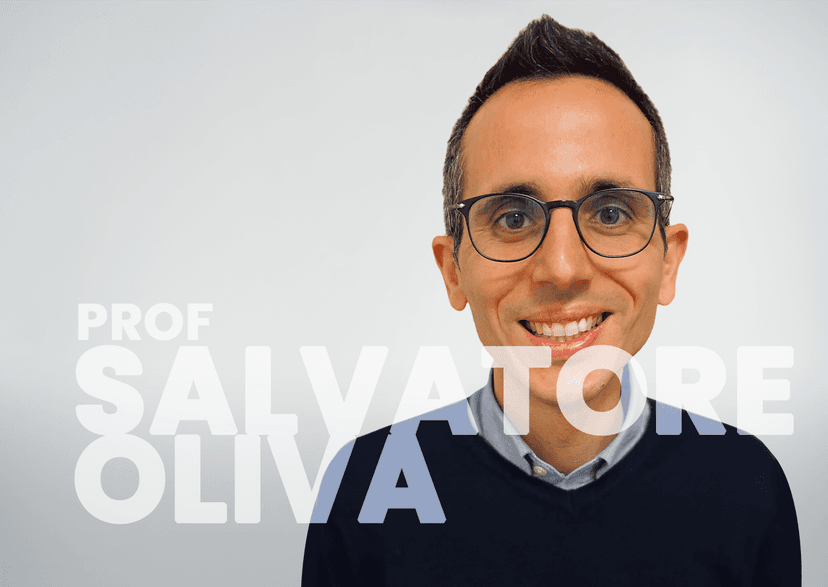
UEGW 2024 | WHY Is Long-Term Management of EoE Important?
Prof. Salvatore Oliva discusses the impact of chronic type 2 inflammation on EoE progression, highlighting the need for long-term management.

Identifying BP: How do symptoms of BP and their severity alter patient diagnosis?
Dr. Victoria Werth explains how diagnosing BP can pose many difficulties in patients due to the variation of symptoms and symptom severity. Dr. Werth also discusses what burden and challenges BP patients might expect as a result.
Eosinophilic Esophagitis (EoE) Pediatric Interactive Patient Case
Experience a pediatric patient's journey from infancy to adolescence with guideline-based learnings on EoE diagnosis, treatment, and long-term care.

How the Understanding of PN has Evolved?
Dr Kwatra poses the question: How do we assess disease modification in PN, and can treating early stop tissue damage and worsening of systemic diseases associated with PN?

Cumulative Impact of Uncontrolled Atopic Dermatitis: Skin Inflammation as the Tip of the Iceberg
Prof Jean-David Bouaziz describes the multifaceted burden of atopic dermatitis, beyond what can be seen on the skin, at EADV 2025.
