59 search results for: quality of life
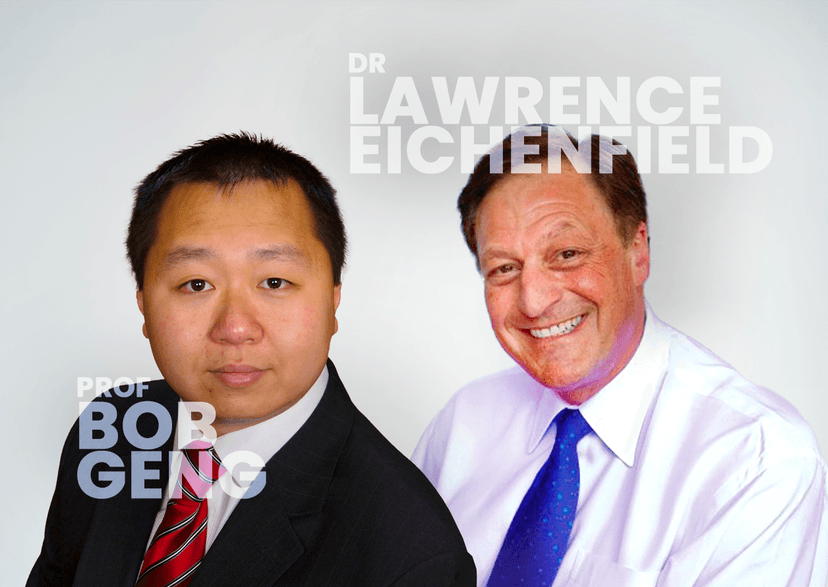
Managing Type 2 Inflammatory Diseases: Multidisciplinary Frame of Mind
Drs. Bob Geng and Lawrence Eichenfield highlight a multidisciplinary team approach to patient-centered care in diseases with type 2 inflammation

Compounded Burden of Co-existing Type 2 Airway Diseases
In this video soundbite from the EAACI 2025 symposium, Dr. Brian Lipworth discusses that co-existing type 2 inflammatory diseases are common in patients with CRSwNP & increasing severity of asthma is associated with higher severity of CRS and prevalence of nasal polyps. Additionally, he explains that patient burden is substantially greater when asthma and CRSwNP are co-existing.

Master Clinician Video | The Moment of Impact: EoE in the Emergency Department (Chapter 1)
This chapter highlights how a food bolus impaction may be the initial manifestation of a patient with EoE masked by adaptive eating behavior.
CRSwNP at Center Stage: Impact of Biologics in Patients with Co-existing Type 2 Asthma
In this video soundbite from the EAACI 2025 symposium, Dr. Philippe Gevaert explains how biologic options for uncontrolled CRSwNP are increasing, and phase 3 studies of approved biologics show improved outcomes and decreased SCS use/surgery in patients with CRSwNP. Additionally, he explains how biologics targeting type 2 inflammatory pathophysiology potentially improve outcomes for eligible patients with co-existing CRSwNP and asthma.

AANP 2025 | Atopic Diseases & a Case-Based Panel of Nurse Practitioners
Experts from different specialties use a case-based discussion to understand type 2 inflammatory diseases from a nurse practitioner perspective.
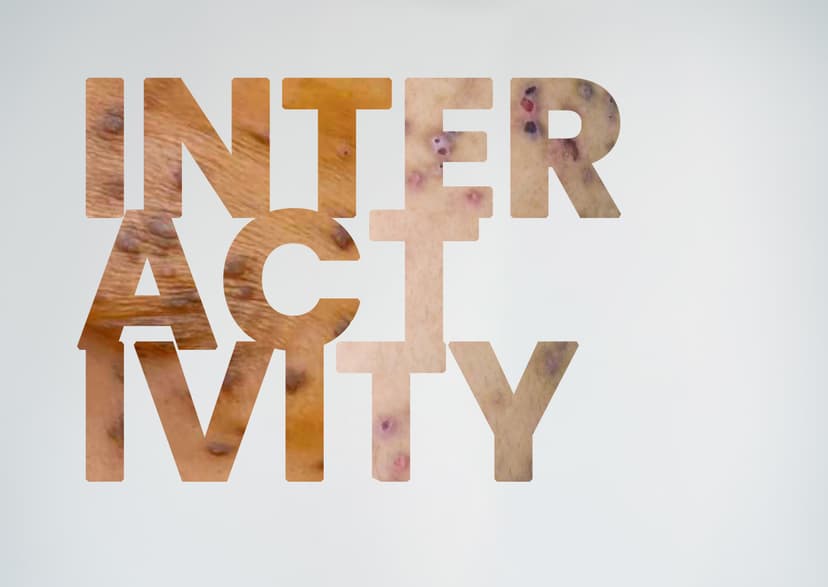
Skin Dyspigmentation In Prurigo Nodularis (PN)
This infographic illustrates the clinical manifestations, pathophysiology and impact on patients of skin dyspigmentation in Prurigo Nodularis.
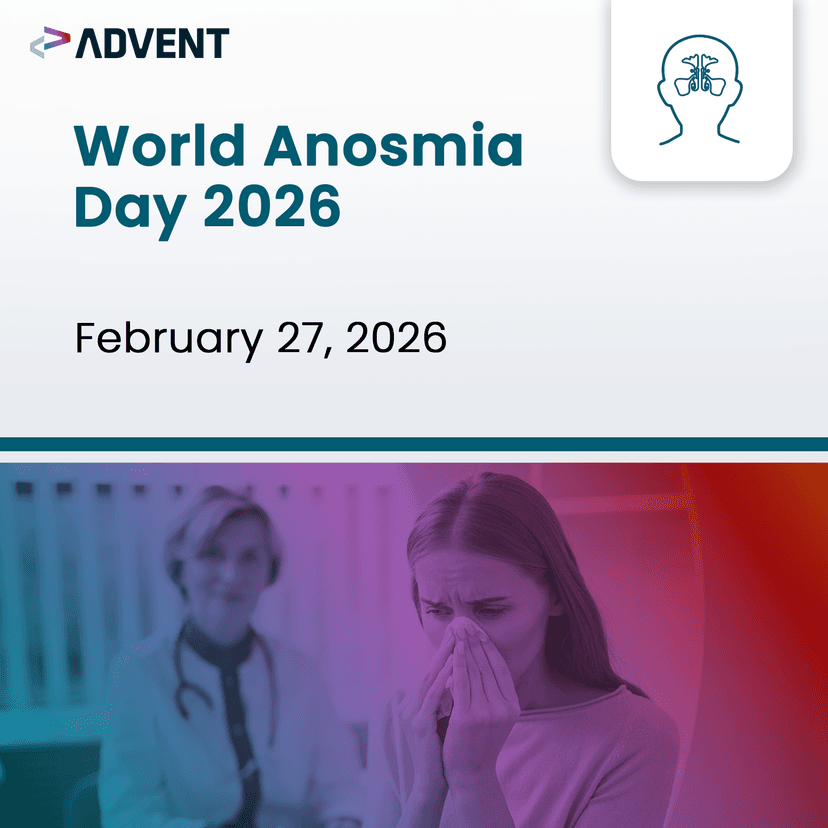
World Anosmia Day 2026
Join the effort to improve CRSwNP care. World Anosmia Day serves as an opportunity to raise awareness about the loss of the sense of smell. Access some of countless educational resources with ADVENT below.

EoE: A Chronic, Progressive, Type 2 Inflammatory Disease Infographic
Learn about key drivers of type 2 inflammation in EoE and how they mediate progressive esophageal remodeling and impact patient burden
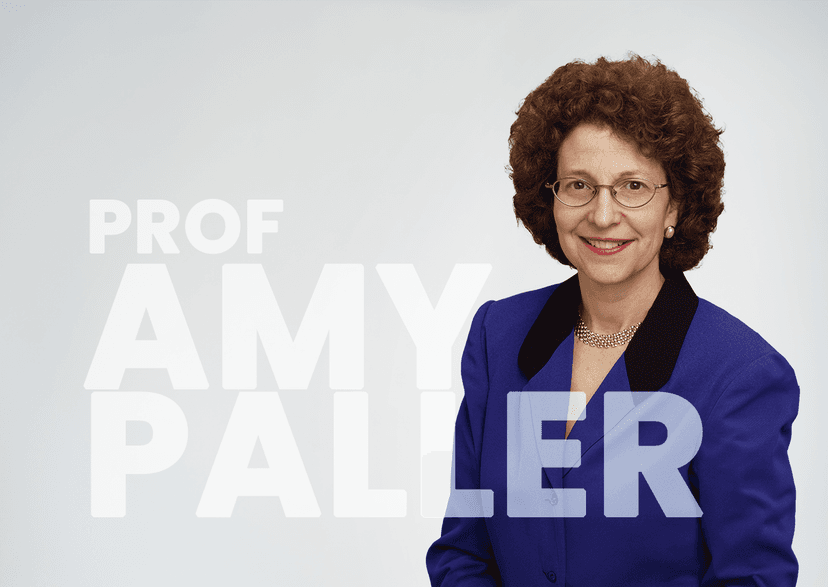
Atopic Dermatitis and the Growing Evidence for Its Association with Various Non-Atopic Systemic Diseases
In this soundbite video from the April 2025 ADVENT Forum in Lisbon, Portugal, Prof. Amy Paller reviews emerging evidence linking atopic dermatitis not only to atopic comorbidities but to a range of non-atopic systemic diseases, including mental health disorders, neurodevelopmental conditions and impaired bone health.

KOL Video Interview – Dr. Eric Simpson
In this exclusive KOL interview, Dr. Eric Simpson explores the cumulative, long-term impact of atopic dermatitis and highlights the potential benefits of initiating treatment early to help manage disease burden.
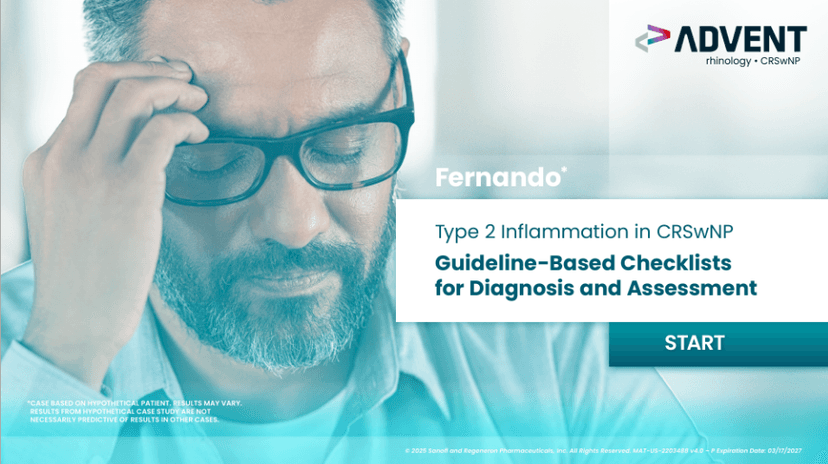
CRSwNP Interactive Patient Case Tool
Meet Fernando. Journey through his clinical profile, applying guideline-based checklists to reach a consensus regarding his diagnosis.
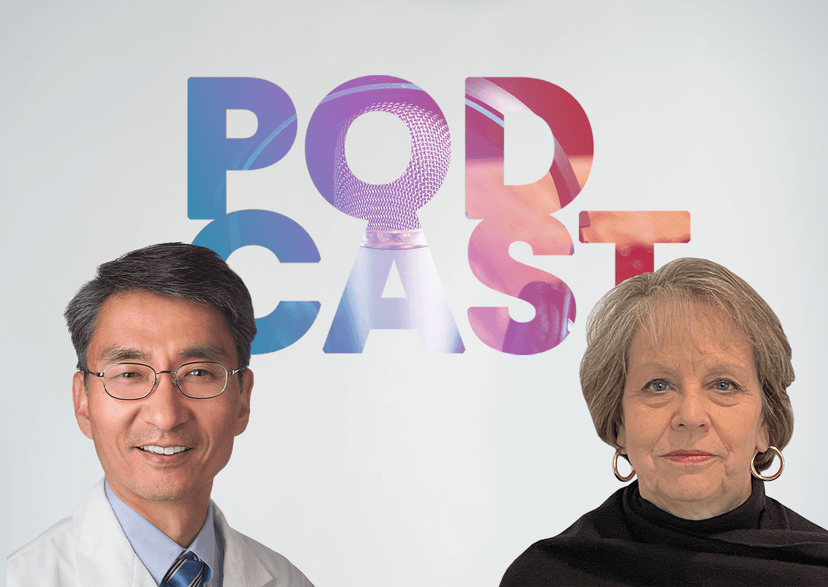
ADVENT On Air | Dysphagia in EoE: How Can You See Beyond Patients’ Adaptive Behaviors?
Learn from Dr. Hirano and Dr. Marcon as they discuss how to unmask EoE symptoms that may be hidden by patients' coping mechanisms.
