114 search results for: expert insights
ADVENT at San Diego, 2024
Two educational symposia at San Diego, 2024, explore the role of type 2 inflammation and the related manifestations in atopic dermatitis, prurigo nodularis, and chronic spontaneous urticaria.
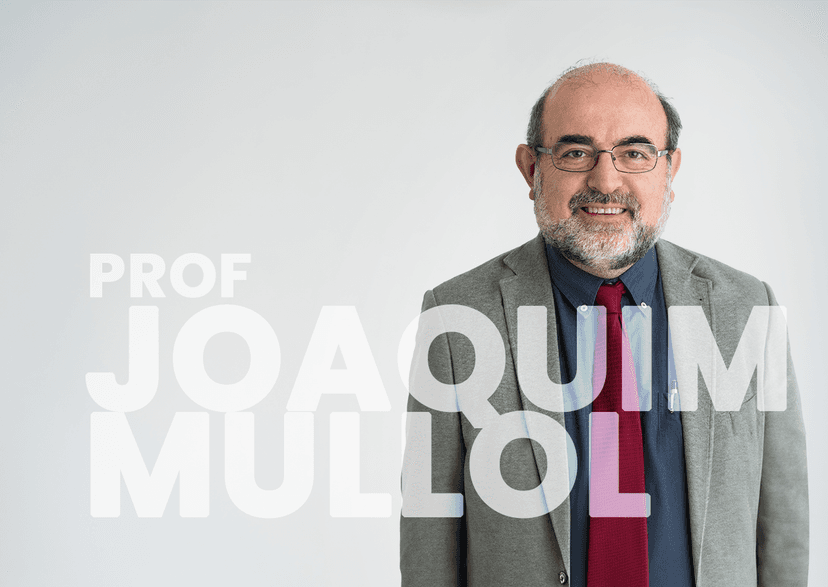
How do You Define Active Disease (CRSwNP) When Looking at the Nose With an Endoscope?
In this video clip from the EAACI 2024 symposium, Dr. Mullol discusses the challenge of defining active nasal disease using an endoscope.

Can Chronic Rhinosinusitis With Nasal Polyps be Considered in Remission if the Patient has an Impaired Sense of Smell?
Dr. Backer discusses assessing remission in CRSwNP by evaluating the patient's sense of smell in this video clip from the EAACI 2024 symposium.

ADVENT On Air | Back Again: Predicting Recurrence in Chronic Rhinosinusitis with Nasal Polyps
Learn from Drs. Buchheit and Wagenmann as they discuss key patient traits that predict disease recurrence in CRSwNP.

Type 2 Inflammation Contributes to Itch and Fibrois in PN
Join Dr. Kwatra outlining the micro itch cycle involving type 2 cell polarization and cytokines that directly affect fibroblasts to cause more immune dysregulation in PN.

Spotlight on Type 2 Inflammation in the Upper and Lower Airways
In this video soundbite from the EAACI 2025 symposium, Dr. Zuzana Diamant explains pathophysiological mechanisms underlying asthma and CRSwNP, and how type 2 inflammatory cytokines drive airway remodelling in patients with severe asthma. Additionally, patients with co-existing asthma and CRSwNP have a higher type 2 inflammatory burden than patients with asthma alone.
