176 search results for: type 2 inflammation
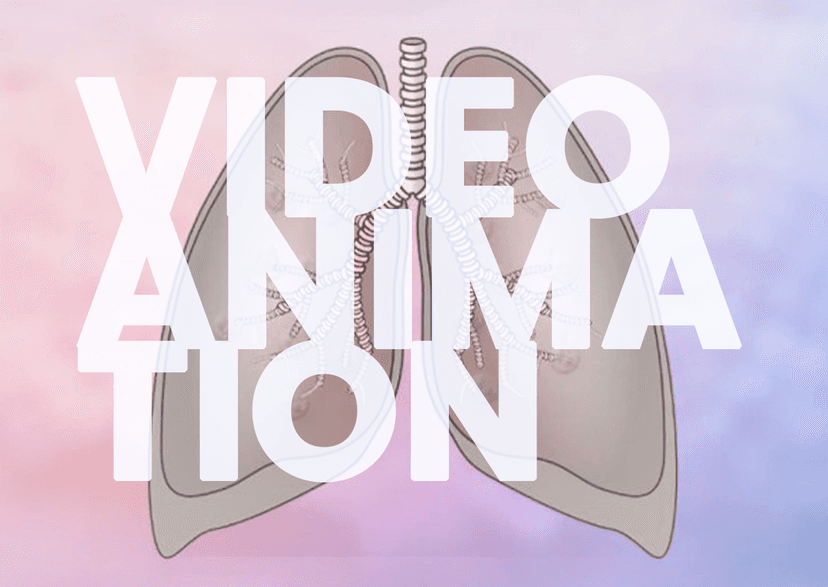
Pathways Driving Chronic Airway Remodeling in Asthma
See how type 2 inflammation underlies remodeling processes in asthma.
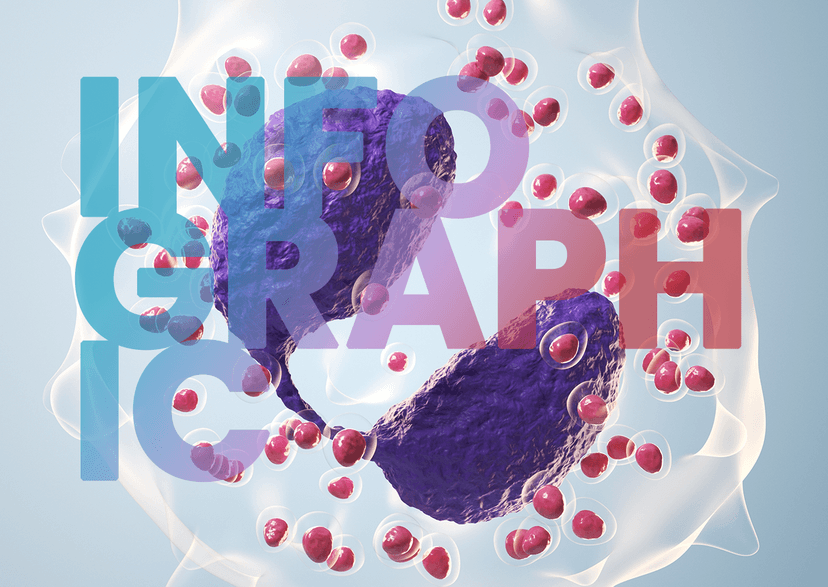
EoE: A Chronic, Progressive, Type 2 Inflammatory Disease Infographic
Learn about key drivers of type 2 inflammation in EoE and how they mediate progressive esophageal remodeling and impact patient burden
Beyond Itch: The Multifaceted Role of IL-4/IL-13 in the Pathogenesis of PN
Professor Sarina Elmariah describes how IL-4 and IL-13, key drivers of type 2 inflammation, uniquely contribute to manifestations of prurigo nodularis beyond itch.

ERS 2024 | Perspectives From the Evolving Biologic Landscape in COPD
Professor Alberto Papi presents the latest clinical data on current and emerging biologics for COPD with type 2 inflammation.
Itch in Chronic Inflammatory Skin Diseases: Histaminergic and Nonhistaminergic Mechanisms and Role of IL-4 as a Central Orchestrator in Promoting Neuronal Sensitization
In this soundbite video from the April 2025 ADVENT Forum in Lisbon, Portugal, Dr. Brian Kim explores the histaminergic and nonhistaminergic mechanisms of itch, highlighting how type 2 cytokines like IL-4 serve as central orchestrators of neuronal sensitization and immune–nervous system cross-talk.

ADVENT at ERS 2025
Join leading pulmonologists across asthma and COPD for educational symposia at the ERS congress in Amsterdam, Netherlands.

The Role of IL-4 and IL-13 in CSU Pathogenesis
Dive into the complex pathophysiology of chronic spontaneous urticaria (CSU), where mast cell degranulation drives the hallmark signs and symptoms. This interactive infographic elucidates how key type 2 cytokines, specifically IL-4 and IL-13, contribute to mast cell activation, immune cell trafficking into the skin, and neuronal sensitization in CSU, which ultimately leads to the release of mediators like histamine that cause wheals, angioedema, and itch.

What Drives Chronic Itch and the Itch-Scratch Cycle in Atopic Dermatitis?
Watch this short video to learn how type 2 inflammation, skin barrier dysfunction, and neurosensitization contribute to chronic itch and the itch-scratch cycle in atopic dermatitis
ADVENT On Air | Expert Discussions in Dermatology
Listen to the latest updates in type 2 inflammatory science and associated skin diseases, brought to you by leading dermatology experts in the field. ADVENT On Air podcasts feature scientific conversations that explore new research into the pathophysiology, clinical features, and disease burden for a range of dermatological diseases linked to type 2 inflammation, including atopic dermatitis (AD) and prurigo nodularis (PN). Hear new insights revealed through expert-led conversations below or in your preferred podcast app.


Decoding Chronic Itch and More in PN: Implications of Real-World Data for Clinical Practice
Join Professors Matthias Augustin and Sarina Elmariah for an engaging ADVENT symposium as they explore the pivotal role of type 2 inflammation in prurigo nodularis and chronic itch.

Mucus Plugging Is a Key Component of Remodeling in Asthma, Leading to Fixed Airway Obstruction
Learn about the role of type 2 inflammation in the burden and pathophysiology of mucus plugging in severe asthma
