206 search results for: burden of disease
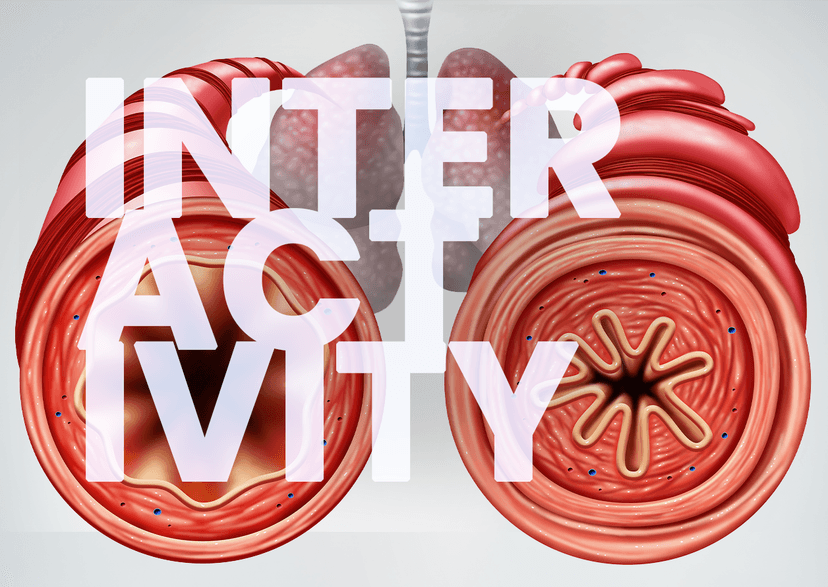
The Compounded Burden of CRSwNP and Asthma
This infographic illustrates the compounded burden of coexisting CRSwNP and asthma and explains how type 2 inflammation underlies both conditions and impacts clinical outcomes in patients.
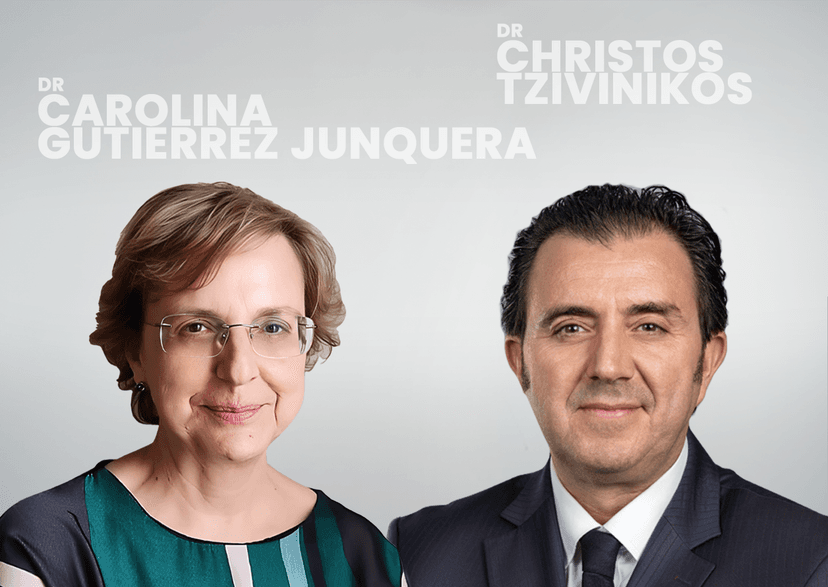
ESPGHAN 2025 | Early Diagnosis & Effective Management in Pediatric EoE
Drs Gutiérrez Junquera and Tzivinikos discuss the importance of early identification and management of pediatric EoE to improve long-term outcomes.

EAACI 2025 | At The Intersection of the Type 2 Airways: Navigating the Challenges of CRSwNP & Co-existing Asthma
Professors Brian Lipworth, Zuzana Diamant, and Philippe Gevaert delve into the complexities of managing patients with both severe and/or uncontrolled CRSwNP and co-existing asthma through an evaluation of the diagnostic challenges, personalized treatment strategies, and the latest advancements in understanding the interconnected pathophysiology of these type 2 airway diseases.

ERS-ISIAN 2025 | Disease Control in CRSwNP
Unpack the keys to successful disease control in CRSwNP alongside expert Prof. Vibeke Backer. Learn how to navigate treatment pathways for improved patient quality of life.
ERS 2024 | A Breath of Fresh Air: A Greater Understanding of COPD With Type 2 Inflammation
Join experts Henrik Watz, Mona Bafadhel, and Alberto Papi for an educational symposium on the link between underlying drivers of COPD with type 2 inflammation and cumulative patient burden, exploring the role of type 2 cytokines, and current and emerging therapies.
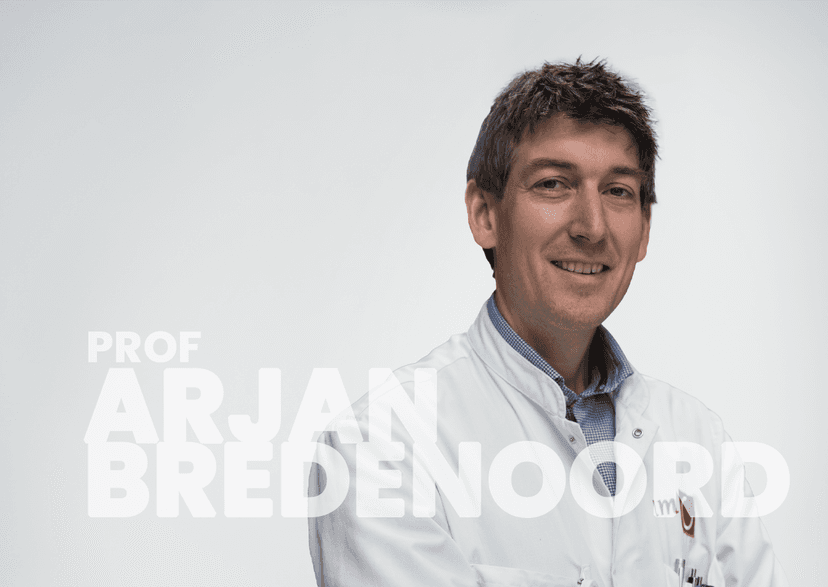
Impact of Delayed EoE Diagnosis on Disease Progression and QoL
Join Prof. Arjan Bredenoord as he discusses the importance of early diagnosis of EoE.
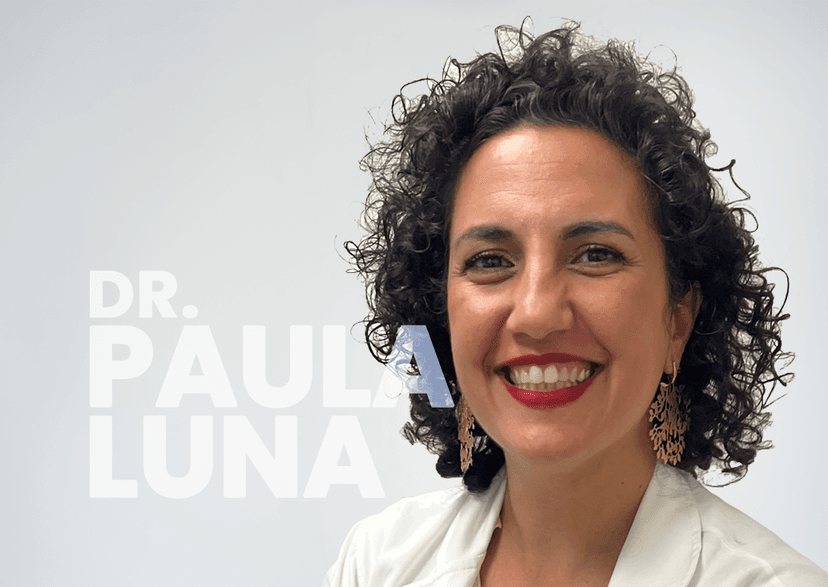
Digging Deeper: Reducing Non-Atopic Comorbidities and Multidimensional Disease Burden
In this clip from the April WCPD 2025 symposium, Dr Paula Luna discusses how moderate-to-severe AD may hinder growth in pediatric patients.
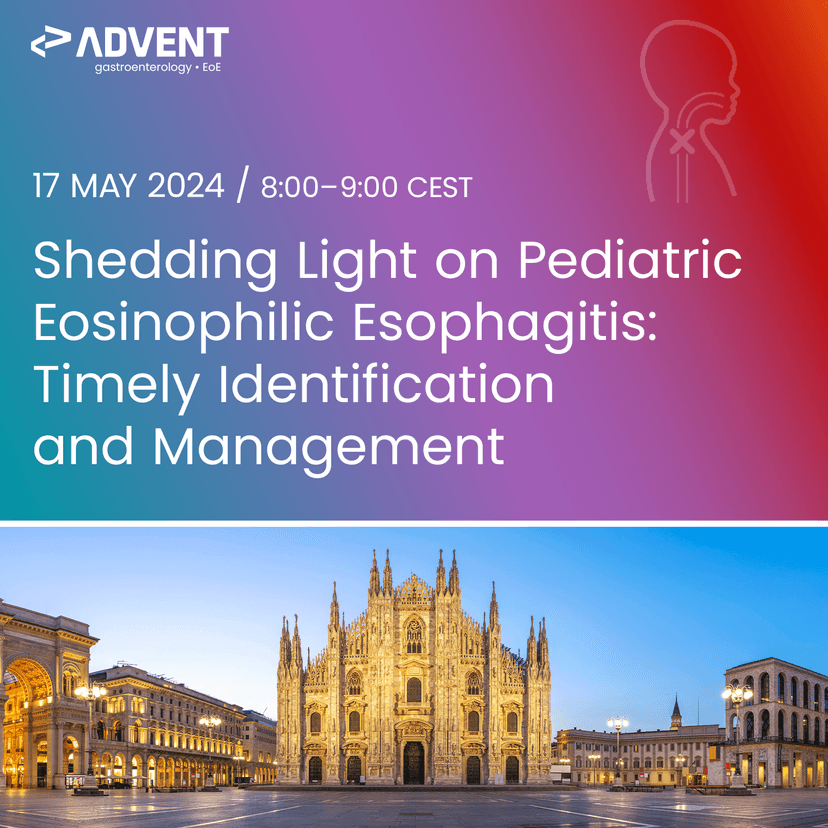
ADVENT at ESPGHAN | Shedding Light on Pediatric Eosinophilic Esophagitis: Timely Identification and Management
Join global experts Prof. Salvatore Oliva and Dr. Dhandapani Ashok for an educational symposium at ESPGHAN, as they discuss the burden and impact of underlying type 2 inflammation in eosinophilic esophagitis (EoE), and the importance of early diagnosis and management in pediatric patients.

Atopic Dermatitis and the Risk of Developing Other Atopic Diseases
In this soundbite video from the April 2025 ADVENT Forum in Lisbon, Portugal, Dr Amy Paller discusses the significant risk of developing other atopic diseases among infants with early-onset atopic dermatitis.
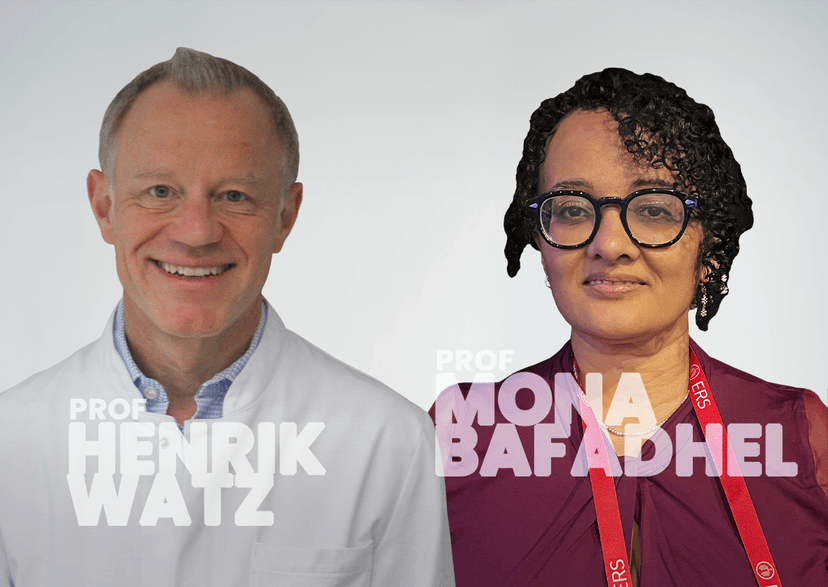
ERS 2024 | A Breath of Fresh Air: A Greater Understanding of COPD With Type 2 Inflammation
Professors Henrik Watz, Mona Bafadhel, and Alberto Papi discuss the pathophysiology of COPD with type 2 inflammation and review current and emerging biologic therapies

ERS-ISIAN 2025 | Type 2 Inflammation and Disease Control in CRSwNP: Current Perspectives and Future Directions
The ERS-ISIAN 2025 symposium, featuring Prof. Vibeke Backer and Prof. Sietze Reitsma, titled "Type 2 Inflammation and Disease Control in CRSwNP: Current Perspectives and Future Directions," will delve into the complexities of the role of type 2 inflammation in CRSwNP.

Distinct Mechanisms Drive Inflammation and Itch in Chronic, Type 2 Inflammatory Diseases
In this soundbite video from the April 2025 ADVENT Forum in Lisbon, Portugal, Dr Brian Kim provides an overview of itch in type 2 inflammatory skin diseases and explains how the shared and unique mechanisms that drive inflammation and itch mediate each disease in distinct ways.
