143 search results for: patient burden

ERS-ISIAN 2025 | Type 2 Inflammation: Links with Severe/Uncontrolled CRSwNP
Prof. Vibeke Backer provides an insightful presentation on the association of type 2 inflammation and the pathogenesis and management of severe and uncontrolled CRSwNP.
Uncovering the Impact of Moderate COPD Exacerbations
The infographic provides information about the clinical characteristics used to classify moderate COPD exacerbations and the impact of these events on lung function, future risk, and mortality.
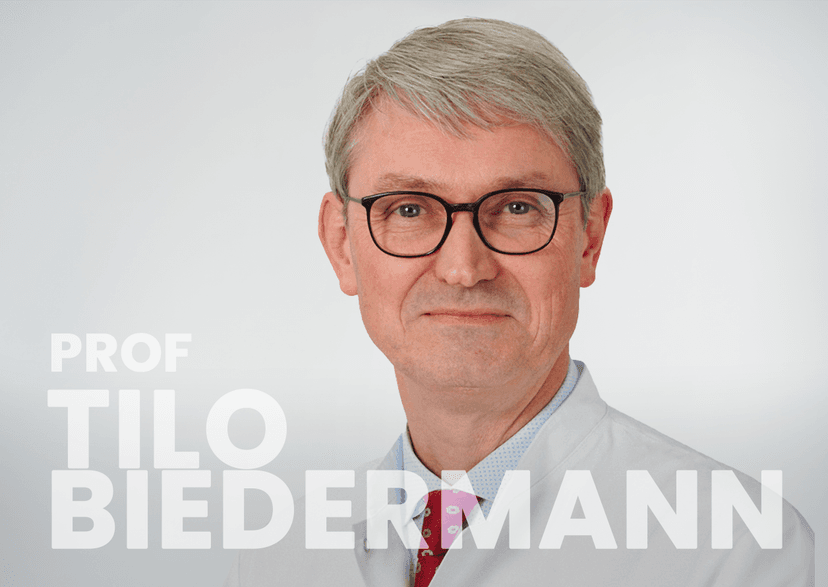
Breaking the Cycle of AD in Adults: Minimizing Cumulative Burden Beyond Skin and Achieving Sustained Disease Control
Prof. Tilo Biedermann discusses the key roles of type 2 cytokines IL-4, IL-13, and IL-31 in the pathophysiology of atopic dermatitis. He then describes how these cytokines can be targeted with systemic therapies to elicit long-term disease control and reduce the burden of atopic and non-atopic comorbidities, which are meaningful outcomes for patients with uncontrolled disease.

The Benefits of Early Intervention in Reducing the Burden of Disease in Children With Atopic Dermatitis
This page presents educational material, infographics, and video highlights from our recent ADVENT symposia, including the 2025 World Congress of Pediatric Dermatology (WCPD) in Buenos Aires, Argentina, exploring the pathophysiology of type 2 inflammation and atopic dermatitis, the burden of disease leading to cumulative life course impairment (CLCI), and the risk of the atopic march in pediatric patients with atopic dermatitis.
Decoding Chronic Itch and More in PN: Implications of Real-World Data for Clinical Practice
Join Professors Matthias Augustin and Sarina Elmariah for an engaging ADVENT symposium as they explore the pivotal role of type 2 inflammation in prurigo nodularis and chronic itch.
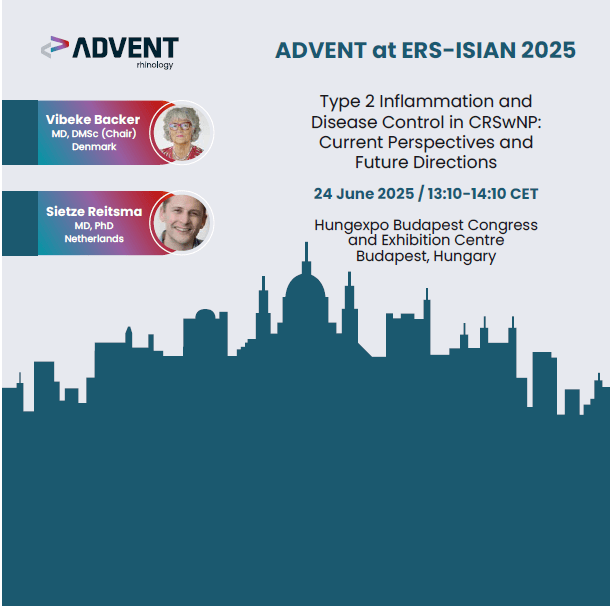
ADVENT at ERS-ISIAN 2025
Join experts Vibeke Backer, MD, DMSC, and Sietze Reitsma, MD, at an educational symposium involving a comprehensive exploration of the type 2 inflammation and its pivotal role in the pathogenesis and management of CRSwNP.

ADVENT at ERS 2025
Join leading pulmonologists across asthma and COPD for educational symposia at the ERS congress in Amsterdam, Netherlands.
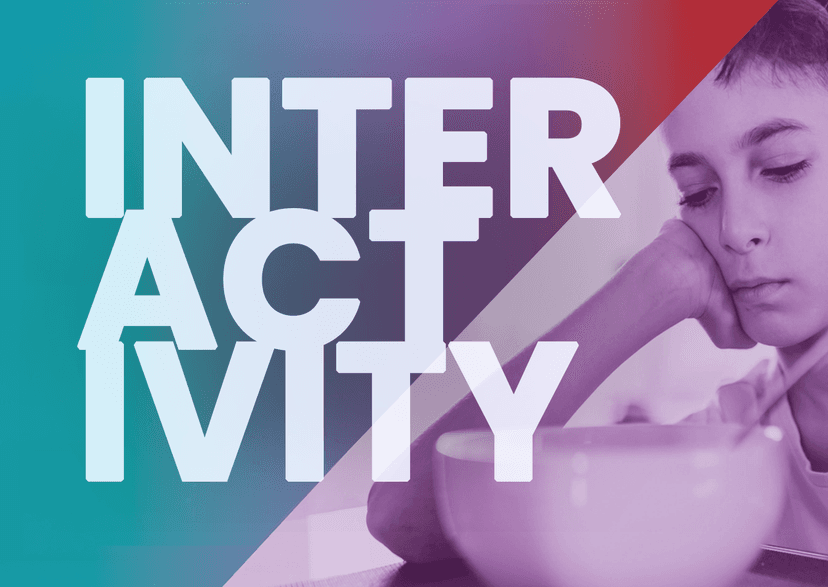
Eosinophilic Esophagitis (EoE) Pediatric Interactive Patient Case
Experience a pediatric patient's journey from infancy to adolescence with guideline-based learnings on EoE diagnosis, treatment, and long-term care.

Transforming Prurigo Nodularis Care in 2026: New Real-World Evidence for Comprehensive Care and Treatment Optimization
Join Drs. Sarina Elmariah and Pedro Bastos to explore the full systemic burden of prurigo nodularis, looking beyond the nodules to discover how real-world evidence for approved biologics can inform treatment decisions and long-term care across diverse patient populations.
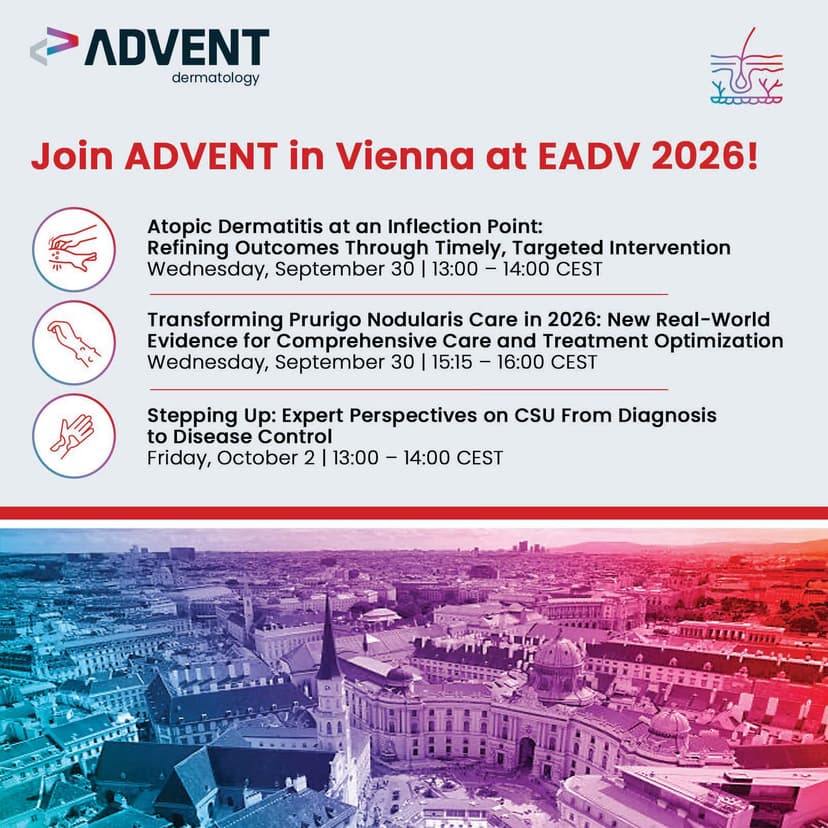
Transforming Prurigo Nodularis Care in 2026: New Real-World Evidence for Comprehensive Care and Treatment Optimization
Drs. Sarina Elmariah and Pedro Bastos led an engaging ADVENT Industry Hub at EADV 2026 in Vienna, Austria, exploring the full systemic burden of prurigo nodularis (PN) beyond its visible nodules. The session highlighted how real-world evidence for approved biologics can inform treatment decisions and support long-term disease management across diverse patient populations.