199 search results for: Burden of Disease
How Biologic Therapy May Lead to Disease Modification in Infants and Children with Atopic Dermatitis
The underlying pathophysiology of atopic dermatitis (AD) is driven by dysregulation of type 2 immunity that contributes to skin barrier dysfunction. AD typically develops very early in life and children with AD often develop other atopic conditions such as food allergy, asthma, and allergic rhinitis in a progression called the atopic march. Early treatment may help reduce the atopic march and other comorbidities to lessen the lifetime burden created by these diseases. There may even be a window of opportunity for disease modification.

Transforming Prurigo Nodularis Care in 2026: New Real-World Evidence for Comprehensive Care and Treatment Optimization
Join Drs. Sarina Elmariah and Pedro Bastos to explore the full systemic burden of prurigo nodularis, looking beyond the nodules to discover how real-world evidence for approved biologics can inform treatment decisions and long-term care across diverse patient populations.

Itch in Prurigo Nodularis
In this soundbite video from the April 2025 ADVENT Forum in Lisbon, Portugal, Dr Brian Kim discuss the burdensome itch in prurigo nodularis, the multifactorial etiology of the disease, and the multiple pathological factors that contribute to chronic itch and skin inflammation in PN.
The Burden in Patients with CRSwNP and Coexisting Asthma
This video supports improved clinical awareness and encourages comprehensive care strategies for patients living with both CRSwNP and asthma.
Treatment Escalation in Adult and Pediatric Patients in CSU: How, When, and Why?
Join Dr Martin Metz as he discusses CSU pathophysiology, advanced therapies, and how patient heterogeneity and individual factors inform shared decision-making for optimal disease control in CSU.
Worsening Disease Results in a Vicious Cycle of COPD
Uncover the complex interconnected factors that drive the progressive and worsening vicious cycle of COPD.

Patient Burden in Eosinophilic Esophagitis
Drs. Kathryn Peterson and Ikuo Hirano and Profs. Ingrid Terreehorst and Arjan Bredenoord highlight the impact and burden of EoE on the quality of life of patients.

CLCI in Atopic Dermatitis Infographic
This infographic highlights how uncontrolled moderate‑to‑severe atopic dermatitis (AD) can lead to Cumulative Life Course Impairment (CLCI) by contributing to ongoing physical, psychological, and social burdens such as itch and sleep loss, impaired bone growth and mental health challenges. It emphasizes the importance of early and effective disease control to help reduce long‑term impact on patients.
KOL Video Interview – Dr. Eric Simpson
In this exclusive KOL interview, Dr. Eric Simpson explores the cumulative, long-term impact of atopic dermatitis and highlights the potential benefits of initiating treatment early to help manage disease burden.
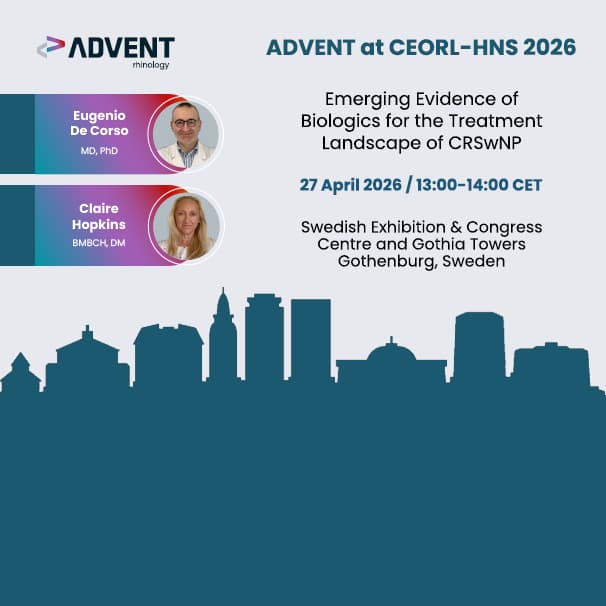
CEORL-HNS 2026 | Emerging Evidence of Biologics for the Treatment Landscape of CRSwNP
Join Sanofi and Regeneron for an educational symposium on type 2 inflammation, patient characteristics predictive of disease recurrence, and emerging real-world evidence for biologics in CRSwNP.
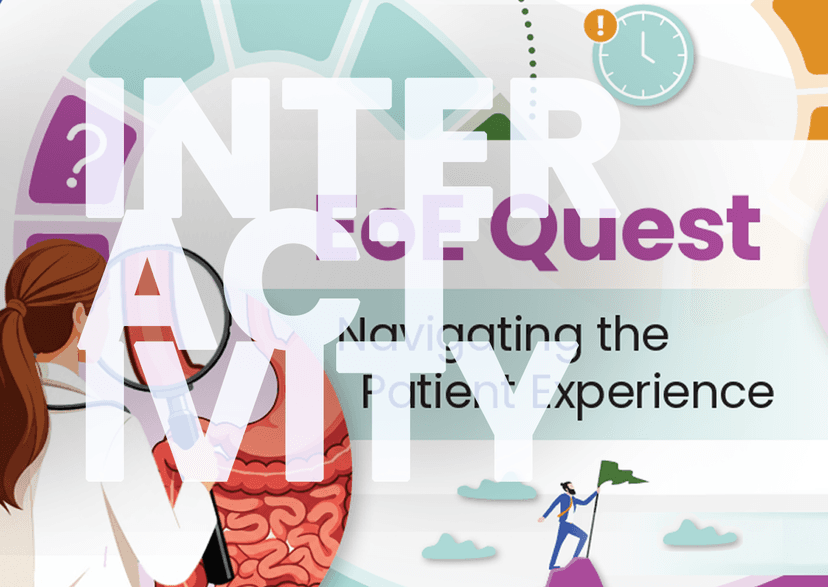
EoE Quest: Navigating the Patient Experience
Want to test your EoE knowledge while learning more about the patient journey? Try EoE Quest, an engaging and educational interactive experience.

Expert Interview: Featuring Dr Shawn Kwatra on PN itch and impact on patients
Join Dr Kwatra as he dives deeper into the mechanism of lesion formation in Prurigo Nodularis and the impact the development of these skin lesions have on patient life.