34 search results for: long-term

Assessing EoE: Monitoring Patients With EoE in Clinical Practice
Hear Dr. Ulrike von Arnim discuss the expert recommendations for monitoring patients with EoE in routine clinical practice.

ADVENT at ESPGHAN 2025 | Unlocking Better Outcomes: Strategies for Early Diagnosis and Effective Management in Pediatric EoE Patients
In support of World Eosinophilic Esophagitis Day, this ADVENT symposium features pediatric gastroenterology experts Dr Carolina Gutiérrez Junquera and Dr Christos Tzivinikos where they discuss the importance of early identification and management of pediatric EoE to improve long-term outcomes. They highlight clinical data and discuss their practical experiences with pediatric EoE, including their perspectives on co-occurring type 2 inflammatory diseases, the chronic nature of EoE, and the future of EoE research and therapeutic development.

Bridging the Gap in EoE: Innovative Strategies for Seamless Transition of Care
Join leading experts in EoE, Thomas Greuter, MD, Edoardo Vincenzo Savarino, MD, PhD, and Carla Giordano, MD, PhD, as they use a case-based approach to explore the impact of chronic type 2 inflammation in EoE and outline strategies for optimizing transition of care and monitoring disease progression. They review the latest clinical evidence on therapeutic management and share insights from their own practice to support shared decision-making in the long-term care of EoE.
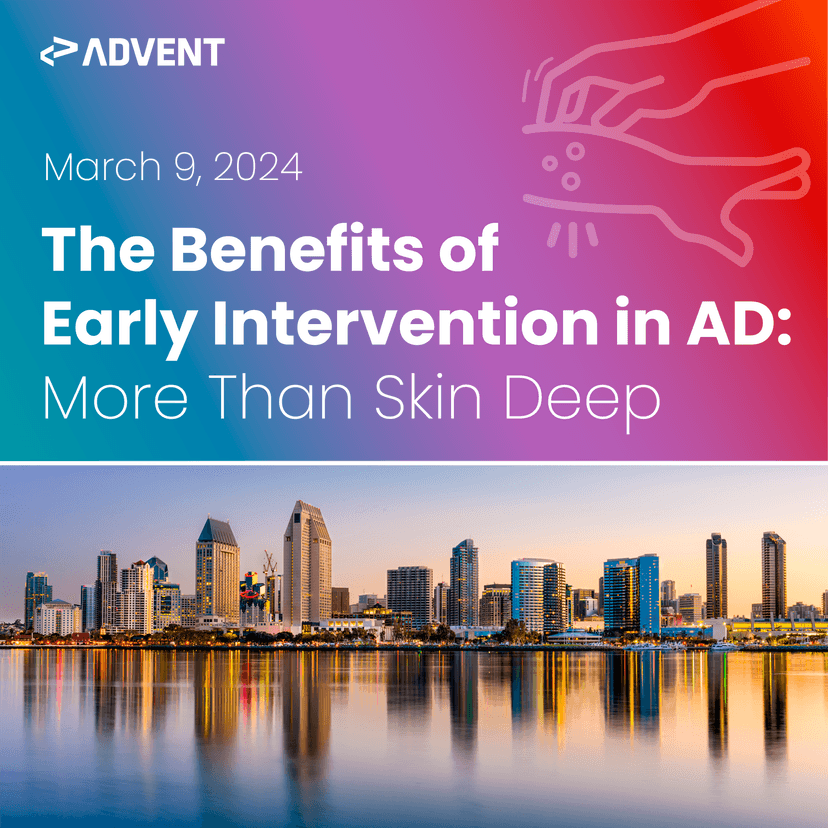
The Benefits of Early Intervention in AD: More Than Skin Deep
Many AD treatment goals focus on clinical manifestations, so that if a patient is free of lesions, their disease is considered well controlled. However, the inflammatory process underlying AD reaches far beyond the skin, affecting patients in unique ways at different stages of their lives. Education on the importance of treating AD beyond the skin and altering the treatment approach to fit the individual patient will help improve clinical management and reduce long-term patient burden.

Adaptive Behaviors in EoE Infographic
Learn how to recognize adaptive eating behaviors in patients with EoE and why it is important for assessment and management.

EoE Quest: Navigating the Patient Experience
Want to test your EoE knowledge while learning more about the patient journey? Try EoE Quest, an engaging and educational interactive experience.

UEG 2025 | Understanding Type 2 Inflammation in EoE: A Case-Based Discussion
Profs. Greuter, Savarino, and Giordano discuss best practices for EoE identification, multidimensional EoE assessment, and transition of care.

Low Disease Activity and Disease Stability: Setting New Goals for COPD Care
This infographic explores the emerging concepts of disease activity, disease stability, and disease control in COPD.

Pediatric EoE: An Interactive Learning Symposium
Professors Oliva and Hӧrning explore the journey of pediatric patients with EoE through diagnosis, disease progression, and treatment.
European Respiratory Society (ERS) 2022 | Barcelona
Presentation highlights from the ADVENT symposia at the ERS 2022 congress in Barcelona, Spain.
