162 search results for: Clinical Management

ERS 2025 Enduring Video: Type 2 Severe Asthma “Unplugged”: Reducing Mucus to Improve Long- Term Patient Outcomes
Join Drs. Njira Lugogo, Simon Couillard, and Mario Castro for a session exploring the link between pathogenic mucus and impaired lung function in patients with moderate-to-severe asthma and the potential for disease modification with targeted therapy.
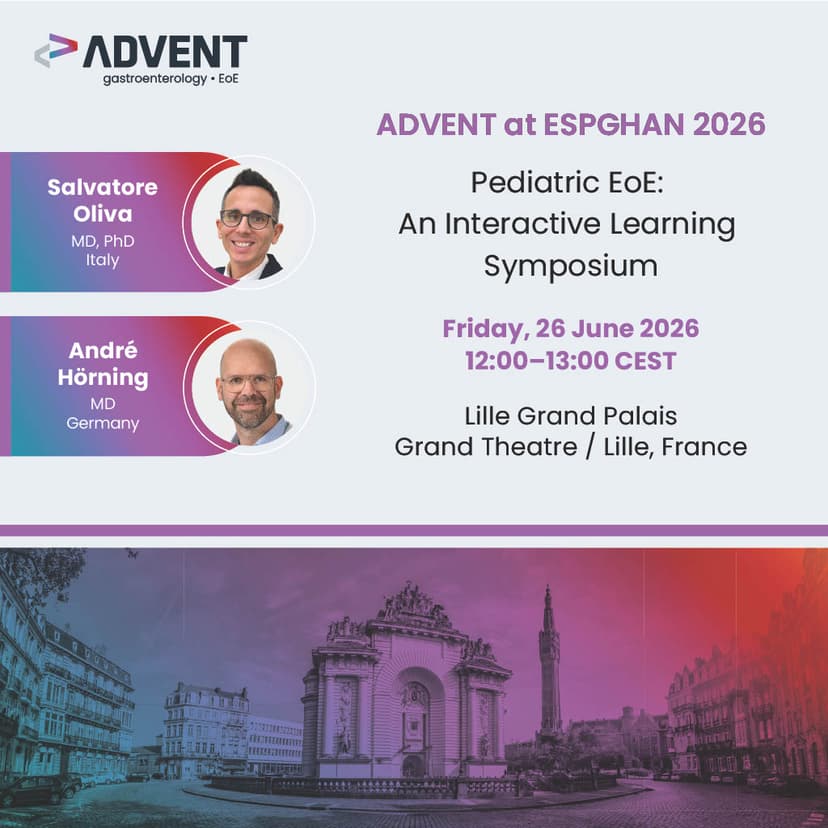
Pediatric EoE: An Interactive Learning Symposium
Join leading experts in pediatric eosinophilic esophagitis (EoE), Professors Salvatore Oliva, MD, PhD, and André Hörning, MD, as they explore the multifaceted journey of pediatric patients with EoE through a hypothetical patient case, navigating real-world challenges in managing EoE.

Pediatric EoE: An Interactive Learning Symposium
Professors Oliva and Hӧrning explore the journey of pediatric patients with EoE through diagnosis, disease progression, and treatment.

Type 2 Inflammation: Links With Severe Uncontrolled CRSwNP
In this video soundbite from the ERS-ISIAN 2025 symposium, Dr. Vibeke Backer discusses how Type 2 inflammation drives severe, uncontrolled CRSwNP. It covers key immune cells and biomarkers (e.g., IL-4, IL-5, IL-13, TSLP), global prevalence differences, and the importance of symptom tracking and targeted therapies.
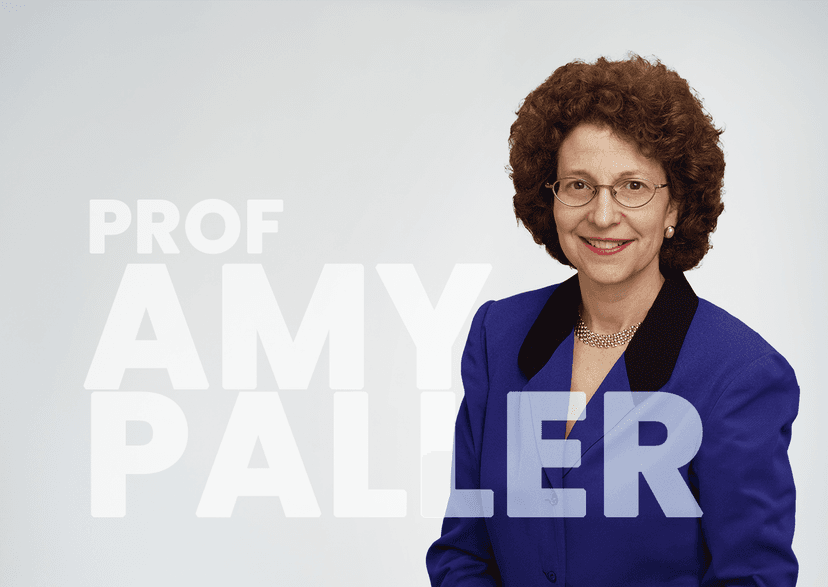
Can Therapy-Free Disease Control Be Achieved in Atopic Dermatitis?
In this soundbite video from the April 2025 ADVENT Forum in Lisbon, Portugal, Prof. Amy Paller reviews a Japanese study showing that early proactive treatment of infant atopic dermatitis with topical corticosteroids reduced the incidence of food allergy but was also associated with decreased gains in height and weight.
Global ADVENT Forum 2025
In April 2025, Lisbon, Portugal hosted the Global ADVENT Forum, a premier event uniting global experts in pulmonology, gastroenterology, and rhinology. Experts came together to share cutting-edge knowledge and innovative approaches to managing chronic inflammatory diseases affecting the airways, digestive system, and nasal passageways.
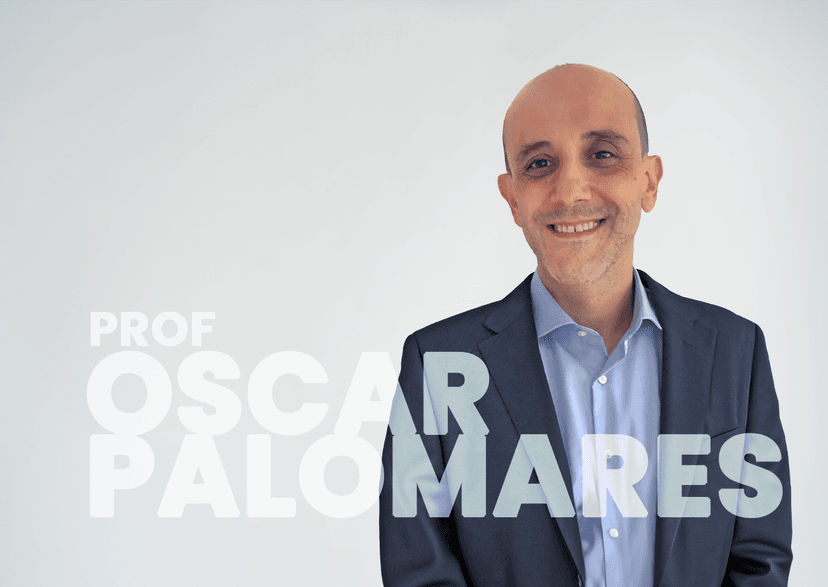
Dupilumab Reduces Total IgE and Allergen-Specific IgE in a Real-World Study of Pediatric Patients With AD and Type 2 Comorbidities
In this soundbite video from the April 2025 ADVENT Forum in Lisbon, Portugal, Prof. Oscar Palomares discusses evidence demonstrating that dupilumab reduces both total and allergen-specific IgE in pediatric patients with atopic dermatitis and comorbid allergic diseases, underscoring the role of IL-4/IL-13 blockade in modulating B-cell activity.
The Effect of Dupilumab on the Atopic March and Risk of Nonatopic Comorbidities in Pediatric Patients With AD
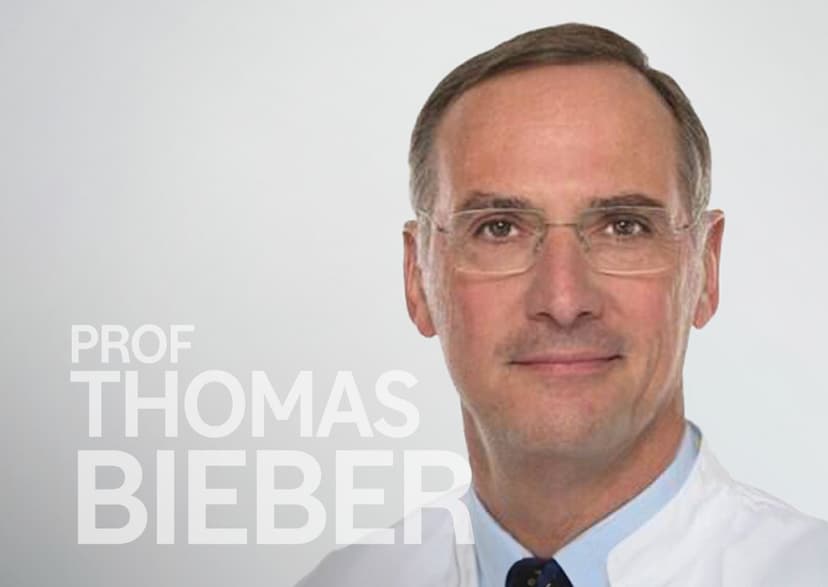
In this soundbite video from the April 2025 ADVENT Forum in Lisbon, Portugal, Prof. Thomas Bieber discusses how early dupilumab intervention in pediatric atopic dermatitis may alter the atopic march, reducing the risk of developing atopic comorbidities as well as nonatopic comorbidities such as infections and psychosomatic issues.
Differential Effects of Dupilumab and JAK Inhibitors on CCL17 (TARC) in Patients With AD
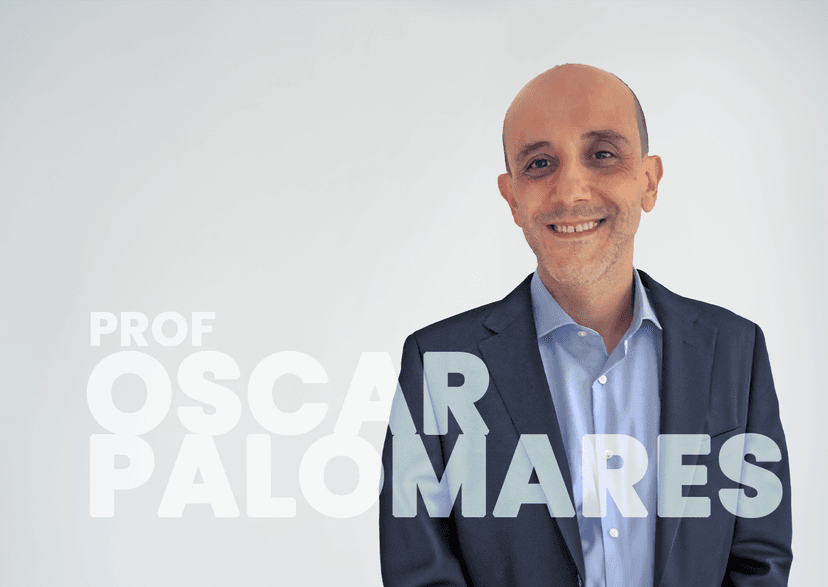
In this soundbite video from the April 2025 ADVENT Forum in Lisbon, Portugal, Prof. Oscar Palomares compares the effects of biologics and JAK inhibitors on the biomarker CCL17 (TARC) in atopic dermatitis.

ERS-ISIAN 2025 | Disease Control in CRSwNP
Unpack the keys to successful disease control in CRSwNP alongside expert Prof. Vibeke Backer. Learn how to navigate treatment pathways for improved patient quality of life.

ERS-ISIAN 2025 | Type 2 Inflammation and Disease Control in CRSwNP: Current Perspectives and Future Directions
The ERS-ISIAN 2025 symposium, featuring Prof. Vibeke Backer and Prof. Sietze Reitsma, titled "Type 2 Inflammation and Disease Control in CRSwNP: Current Perspectives and Future Directions," will delve into the complexities of the role of type 2 inflammation in CRSwNP.
CRSwNP at Center Stage: Impact of Biologics in Patients with Co-existing Type 2 Asthma
In this video soundbite from the EAACI 2025 symposium, Dr. Philippe Gevaert explains how biologic options for uncontrolled CRSwNP are increasing, and phase 3 studies of approved biologics show improved outcomes and decreased SCS use/surgery in patients with CRSwNP. Additionally, he explains how biologics targeting type 2 inflammatory pathophysiology potentially improve outcomes for eligible patients with co-existing CRSwNP and asthma.
