88 search results for: type 2 inflammation
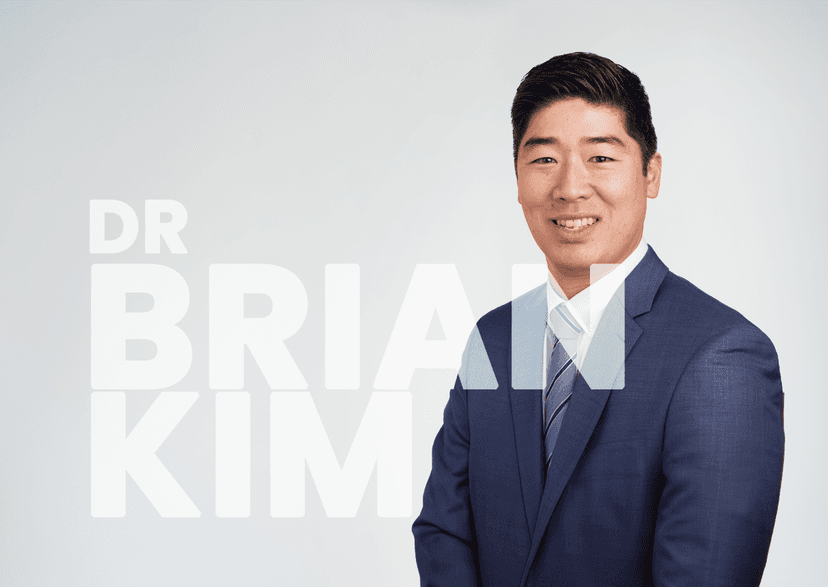
Itch in Chronic Inflammatory Skin Diseases: Histaminergic and Nonhistaminergic Mechanisms and Role of IL-4 as a Central Orchestrator in Promoting Neuronal Sensitization
In this soundbite video from the April 2025 ADVENT Forum in Lisbon, Portugal, Dr. Brian Kim explores the histaminergic and nonhistaminergic mechanisms of itch, highlighting how type 2 cytokines like IL-4 serve as central orchestrators of neuronal sensitization and immune–nervous system cross-talk.

The Role of IL-4 and IL-13 in CSU Pathogenesis
Dive into the complex pathophysiology of chronic spontaneous urticaria (CSU), where mast cell degranulation drives the hallmark signs and symptoms. This interactive infographic elucidates how key type 2 cytokines, specifically IL-4 and IL-13, contribute to mast cell activation, immune cell trafficking into the skin, and neuronal sensitization in CSU, which ultimately leads to the release of mediators like histamine that cause wheals, angioedema, and itch.

Mucus Plugging Is a Key Component of Remodeling in Asthma, Leading to Fixed Airway Obstruction
Learn about the role of type 2 inflammation in the burden and pathophysiology of mucus plugging in severe asthma

ADVENT at San Diego, 2024
Two educational symposia at San Diego, 2024, explore the role of type 2 inflammation and the related manifestations in atopic dermatitis, prurigo nodularis, and chronic spontaneous urticaria.

CRSwNP at Center Stage: Impact of Biologics in Patients with Co-existing Type 2 Asthma
In this video soundbite from the EAACI 2025 symposium, Dr. Philippe Gevaert explains how biologic options for uncontrolled CRSwNP are increasing, and phase 3 studies of approved biologics show improved outcomes and decreased SCS use/surgery in patients with CRSwNP. Additionally, he explains how biologics targeting type 2 inflammatory pathophysiology potentially improve outcomes for eligible patients with co-existing CRSwNP and asthma.

What Went Wrong? How Dysregulated Type 2 Immunity Contributes to AD, PN, CSU, and BP
The March 2025 ADVENT symposium in Orlando, Florida brought together 4 dermatology experts to explore the evolving science of type 2 inflammation. Type 2 inflammation plays a central role in the pathophysiology of multiple dermatological diseases, driving chronic immune dysregulation that affects patients with atopic dermatitis (AD) prurigo nodularis (PN), chronic spontaneous urticaria (CSU) and bullous pemphigoid (BP). Understanding the mechanisms behind type 2 inflammation is key to advancing care and improving patient quality of life.

Clinical Manifestations Associated With Airway Remodeling in Asthma
Join Dr. Hanania to understand how to identify patients at risk of fixed airway obstruction in clinical settings.

FeNO Is a Noninvasive Biomarker That Can Support Diagnosis and Management for Asthma Patients
Learn how FeNO, a noninvasive biomarker for type 2 inflammation, can be used to optimize care for asthma patients.

Impact of Exacerbations in COPD
Dr. Stephanie Christenson discusses the association between COPD exacerbations and the increased risks of morbidity and mortality

Exacerbations Lead to Worsening Lung Function
Dr. Mario Castro discusses how COPD exacerbations can predict future exacerbations and lead to progressive lung function loss in COPD patients.

A view into the Airway: The Pathophysiology and Clinical Relevance of Mucus Plugs in Asthma
Explore the role of type 2 inflammation in the production of mucus plugs in asthma and the effects these plugs can have on patients.
The Benefits of Early Intervention in AD: More Than Skin Deep
Many AD treatment goals focus on clinical manifestations, so that if a patient is free of lesions, their disease is considered well controlled. However, the inflammatory process underlying AD reaches far beyond the skin, affecting patients in unique ways at different stages of their lives. Education on the importance of treating AD beyond the skin and altering the treatment approach to fit the individual patient will help improve clinical management and reduce long-term patient burden.
