79 search results for: burden of disease
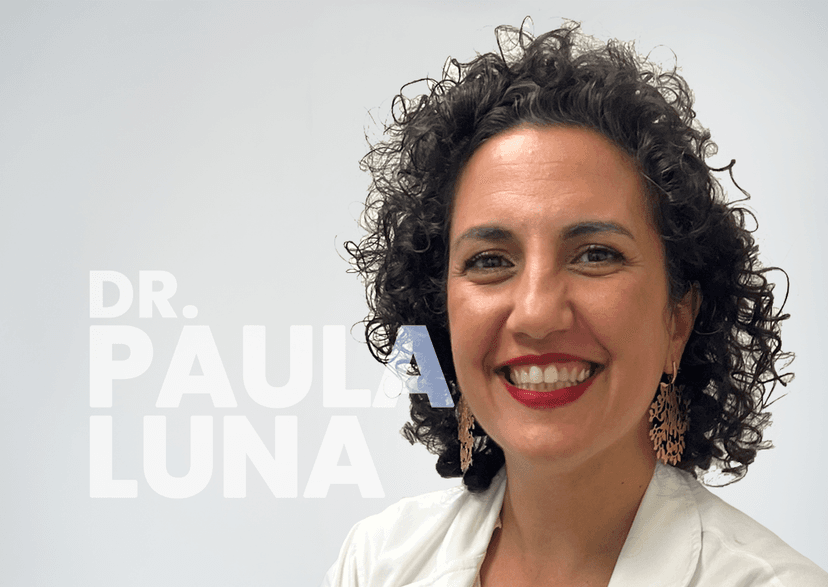
Digging Deeper: Reducing Non-Atopic Comorbidities and Multidimensional Disease Burden
In this video from the April 2025 WCPD symposium, Dr Paula Luna discusses the multidimensional disease burden in pediatric patients with AD and the data regarding how early intervention may lead to long-term disease control and a reduced risk of developing non-atopic comorbidities.
The Benefits of Early Intervention in AD: More Than Skin Deep
Many AD treatment goals focus on clinical manifestations, so that if a patient is free of lesions, their disease is considered well controlled. However, the inflammatory process underlying AD reaches far beyond the skin, affecting patients in unique ways at different stages of their lives. Education on the importance of treating AD beyond the skin and altering the treatment approach to fit the individual patient will help improve clinical management and reduce long-term patient burden.
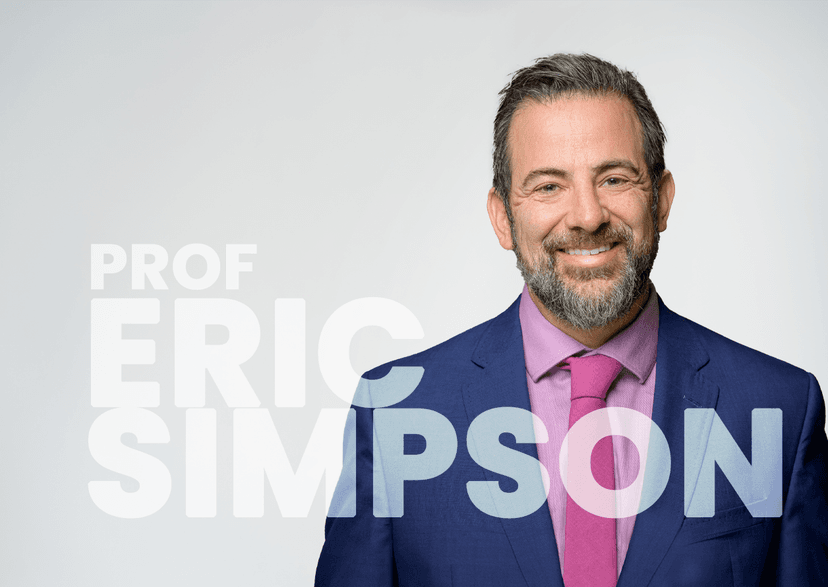
Under the Itchy Surface: The Insidious, Cumulative Burden of Type 2 Inflammation in AD
In this video from the March 2025 ADVENT symposium in Orlando, Florida, Dr. Eric Simpson discusses the systemic nature of atopic dermatitis (AD) and how the disease burden extends beyond the skin. Through the lens of cumulative life course impairment, Dr. Simpson goes on to explore how persistent type 2 inflammation in AD may drive both atopic and nonatopic comorbidities, emphasizing the potential importance of early and effective therapeutic intervention to alter disease progression

Unpacking the Significant Burdens of Atopic Dermatitis
Dr. Lawrence Eichenfield shares the cumulative burdens faced by patients with atopic dermatitis.

Decoding the Clinical Puzzle: Navigating Diagnostic Complexity Across Inflammatory Skin Diseases
Dr Sarina Elmariah highlights the clinical challenges in diagnosing inflammatory skin diseases, using prurigo nodularis as a case study. Drs Culton, Eichenfield, and Hawkes then join in to discuss additional challenges and complexities when diagnosing other skin diseases.

ADVENT On Air | Charting a New Course: The Frontier of Early Intervention and Disease Modification in AD
Join Drs. April Armstrong and Lisa Beck for a conversation around the long-term burden and effects of AD. They will discuss the underlying pathophysiology of AD and how early intervention and disease modification may impact disease course.