14 search results for: symptoms

Beyond Signs and Symptoms: Broadening Treatment Goals in Dermatology
Dr Lawrence Eichenfield explores the broadening of treatment goals for long-term disease control, highlighting the importance of this approach in atopic dermatitis. Drs Culton, Elmariah, and Hawkes expand the discussion to further examine specific management goals unique to each skin disease (bullous pemphigoid, prurigo nodularis, and chronic spontaneous urticaria).
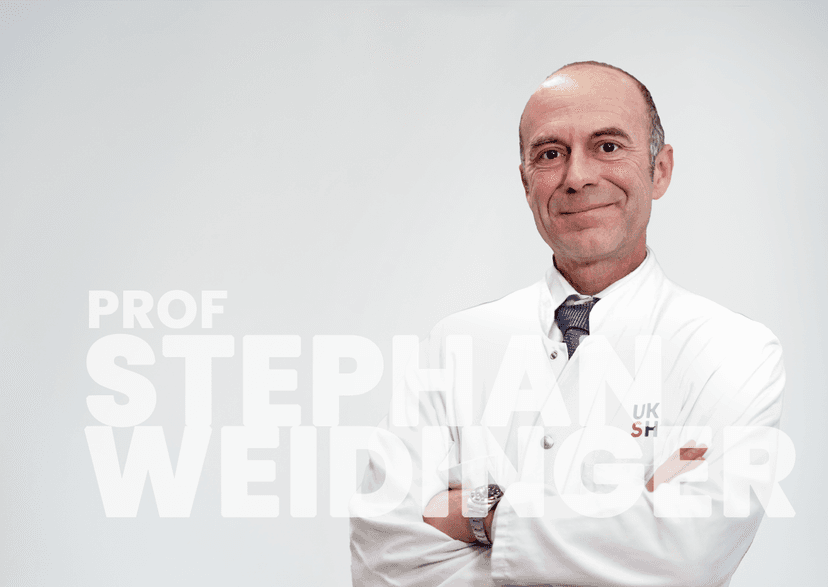
Diving Below the Surface of AD: The Role of Type 2 Inflammation
This video from the September 2024 ADVENT symposium at EADV’s Annual Meeting in Amsterdam, the Netherlands, features Dr. Stephan Weidinger discussing how local type 2 inflammation at the skin tissue level contributes to epidermal barrier dysfunction, dysbiosis, and neuroimmune dysfunction, leading to the clinical signs and symptoms of AD. Dr. Weidinger also reviews how systemic inflammation affects organ systems beyond the skin and can manifest as atopic and non-atopic comorbidities.

The Path to Nodules: Type 2 Inflammation at the Core of Chronic Itch and Fibrosis in Prurigo Nodularis
Join Dr. Shawn Kwatra in discussing the diverse clinical presentations of PN and the role of type 2 inflammation in disease pathogenesis.
