134 search results for: Clinical Management

Current and Emerging Therapeutic Options for Children With Atopic Dermatitis
In this video of the October 2024 ADVENT symposium at EAPS in Vienna, Austria, Dr Perla Lansang reviews the current and emerging treatment options for children with AD uncontrolled with topical therapy, including a summary of recent long-term data for advanced systemic therapies
Early Intervention May Have the Potential to Alter the Trajectory of Atopic Dermatitis
Dr. Lawrence Eichenfield discusses the meaning of "early intervention" and its potential implications in atopic dermatitis.
Diagnostic Approaches for Bullous Pemphigoid With Variable Manifestations
Dr. Donna Culton describes the heterogenous presentation of bullous pemphigoid and how to diagnose this complicated disease.
Unpacking the Significant Burdens of Atopic Dermatitis
Dr. Lawrence Eichenfield shares the cumulative burdens faced by patients with atopic dermatitis.

Diagnosing CSU: Hives, Angioedema, and Differential Diagnosis
Dr. Elena Netchiporouk illustrates key considerations for diagnosing CSU at EADV 2025.
Considerations for Disease Modification in AD
In this highlight video from the September 2024 ADVENT symposium at EADV’s Annual Meeting in Amsterdam, the Netherlands, Dr. Eric Simpson explores potential considerations when discussing the concept of disease modification and how early intervention might be disease modifying in AD.

ADVENT On Air | Exploring The Urgency to Treat in Atopic Dermatitis
Professor Lisa Beck explores the chronic and persistent burden of atopic dermatitis (AD) as well as the concept of early intervention in patients with AD.
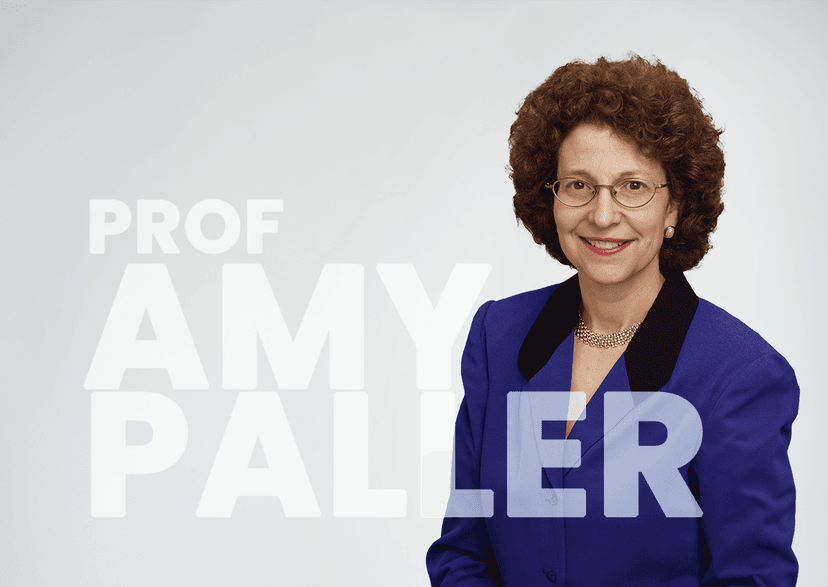
On the Surface: Restoring the Skin Barrier in Patients With AD
In this video from the April 2025 WCPD symposium, Dr Amy Paller discusses the pathophysiology of skin barrier dysfunction in AD and how regulating IL-4 and IL-13 signaling may lead to restoration of the skin barrier. Dr Paller goes on to explore how reducing certain biomarkers, such as CCL17 (TARC), may reduce inflammation that contributes to AD severity in pediatric patients.

Can Therapy-Free Disease Control Be Achieved in Atopic Dermatitis?
In this soundbite video from the April 2025 ADVENT Forum in Lisbon, Portugal, Prof. Thomas Bieber discusses emerging evidence that therapy-free disease control may be possible in atopic dermatitis, citing pediatric dupilumab data showing that a subset of patients-maintained remission after treatment discontinuation.
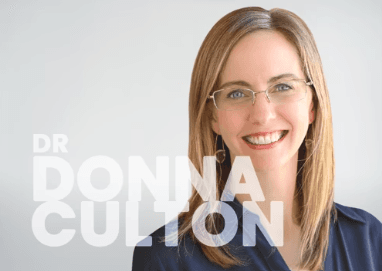
Heterogeneous Presentation and Diagnosis in Bullous Pemphigoid
Dr. Donna Culton describes the heterogeneous presentation and diagnosis of bullous pemphigoid at EADV 2025
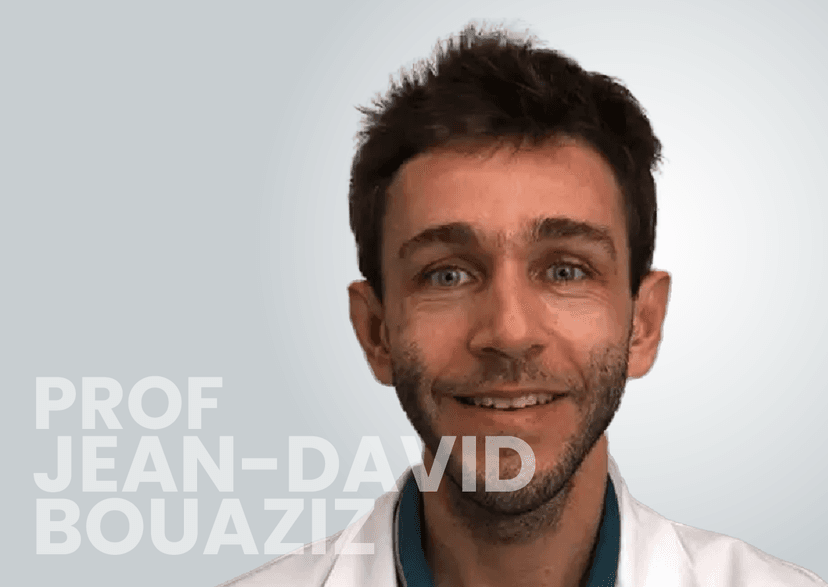
Understanding Barriers to Advanced Systemic Therapy in AD
Dr. Jean-David Bouaziz highlights a study describing barriers to initiating advanced systemic therapy for AD at EADV 2025
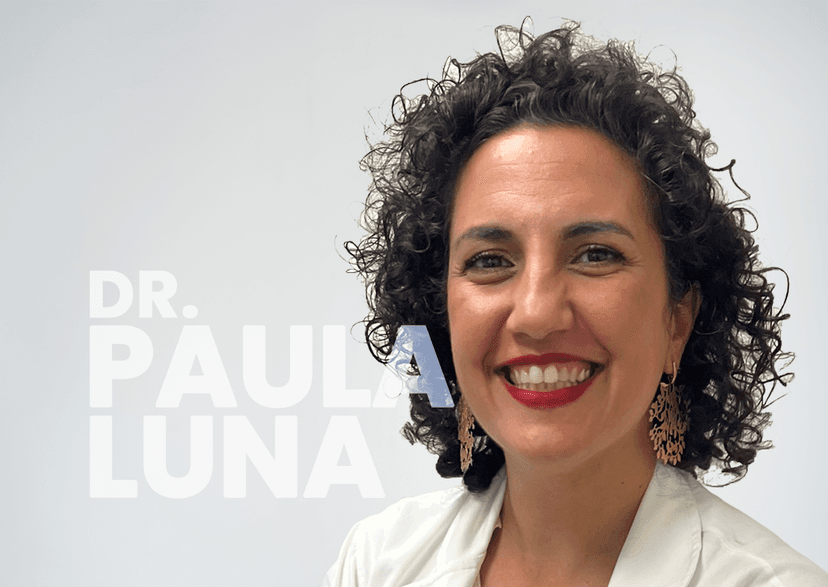
KOL Video Interview – Dr Paula Luna
In this exclusive video interview, Dr Paula Luna discusses how disease modification can be defined in AD and how IgE may be used as a biomarker in AD.
