115 search results for: Clinical Management
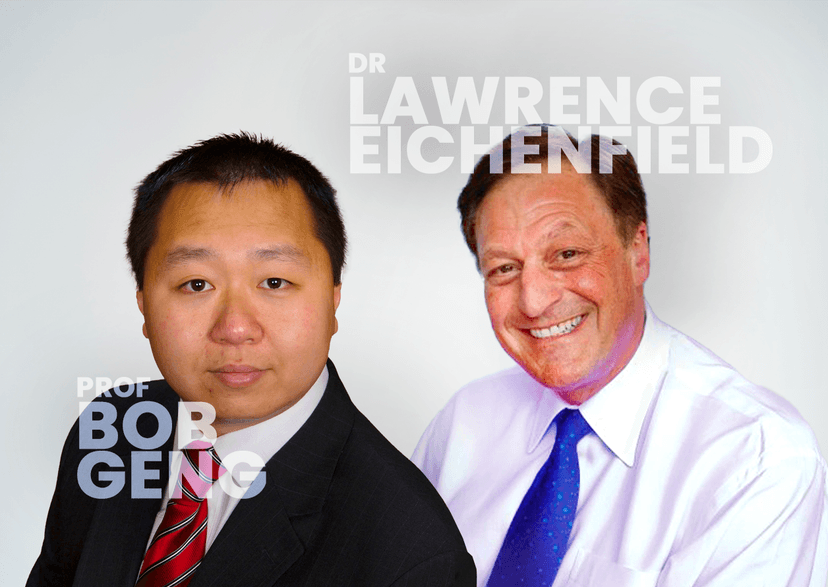
Managing Type 2 Inflammatory Diseases: Multidisciplinary Frame of Mind
Drs. Bob Geng and Lawrence Eichenfield highlight a multidisciplinary team approach to patient-centered care in diseases with type 2 inflammation
World Anosmia Day 2026
Join the effort to improve CRSwNP care. World Anosmia Day serves as an opportunity to raise awareness about the loss of the sense of smell. Access some of countless educational resources with ADVENT below.

The Burden of a Lifetime: Can Disease Modification Rewrite the Narrative of Atopic Dermatitis?
Professors Bouaziz, Paller, and Irvine discuss the clinical burden of atopic dermatitis, the biomarkers of subclinical control, and evidence of potential disease modification in AD at EADV 2025.
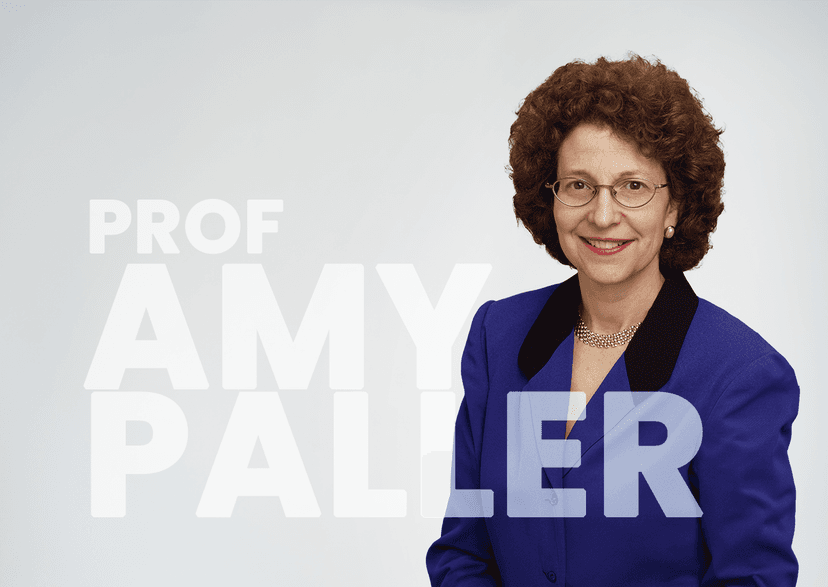
Navigating Complex Definitions: Early Intervention and Disease Modification in Atopic Dermatitis
Dr. Amy Paller discusses the evolving concepts of early intervention and disease modification in AD and describes potential biomarkers of subclinical control at EADV 2025.
Diagnosis of Bullous Pemphigoid Interactive Patient Case
An interactive patient case tool involving a deeper dive into assessing clinical presentation when diagnosing bullous pemphigoid (BP)
ADVENT On Air | Be on the Lookout for EoE: The Importance of Early Diagnosis
Join Dr. Aceves and Ms. Ugras as they share their insights on how to identify potential patients with EoE and the importance of early diagnosis.
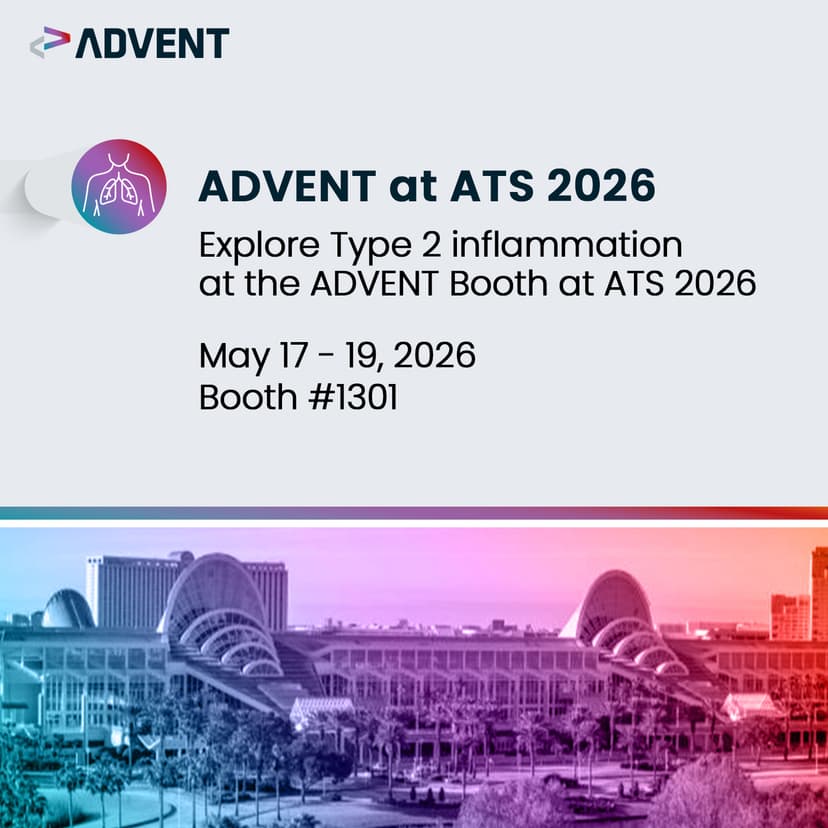
ADVENT at ATS 2026
At ATS 2026, the Sanofi & Regeneron ADVENT Booth brings together interactive experiences and educational resources to explore Type 2 inflammation as a key feature underlying both asthma and COPD.
Head-to-Head Trials of Biologics in CRSwNP
In this video soundbite from the ERS-ISIAN 2025 symposium, Dr. Sietze Reitsma discusses findings from the EVEREST trial, the first head-to-head study comparison of dupilumab and omalizumab in patients with severe CRSwNP and coexisting asthma. It also introduces the ongoing TORNADO study.
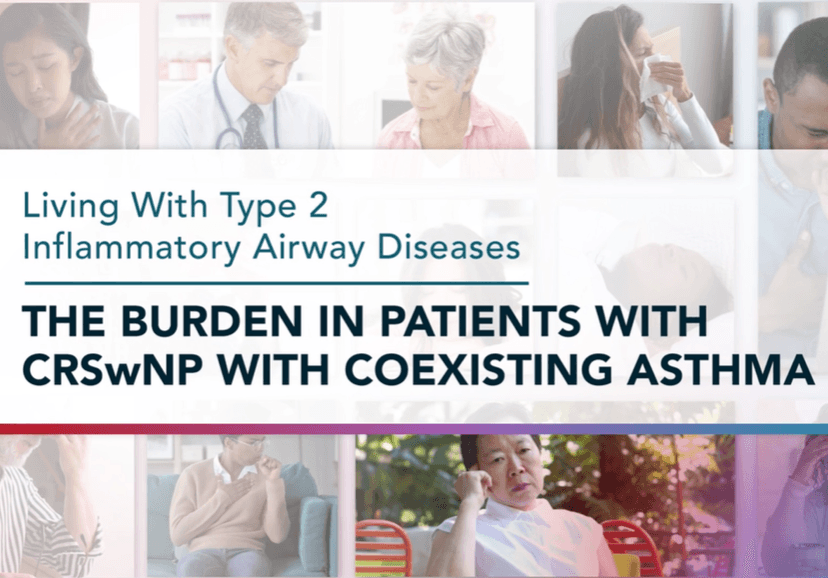
The Burden in Patients with CRSwNP and Coexisting Asthma
This video supports improved clinical awareness and encourages comprehensive care strategies for patients living with both CRSwNP and asthma.

Emerging Therapeutics: Addressing the Gaps in CSU Patient Care
In this video from EADV 2025, Professor Metz shares exciting data from therapies recently approved or in late-stage development for CSU.
On the Surface: Restoring the Skin Barrier in Patients with AD
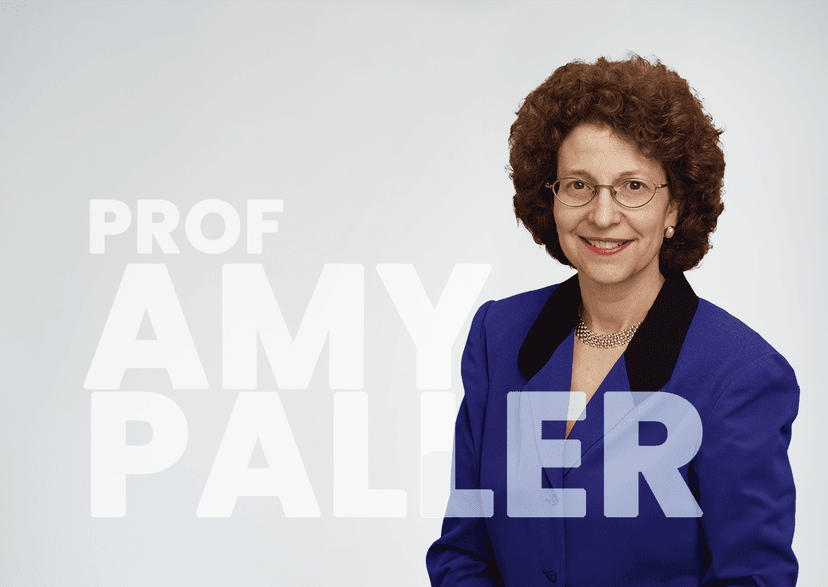
In this clip from the April WCPD 2025 symposium, Dr Amy Paller highlights CCL17 (TARC) as an important biomarker in AD.

ERS 2025 | Type 2 Severe Asthma "Unplugged": Reducing Mucus to Improve Long-term Patient Outcomes
Join leading pulmonologists Drs. Njira Lugogo, Simon Couillard, and Mario Castro, as they explore the role of type 2 inflammation in the pathogenesis of mucus plugging in the airways, the burden of excess mucus in patients with moderate-to-severe asthma, and how reducing airway mucus may lead to improved long-term patient outcomes.