55 search results for: quality of life
2025 ADVENT Forum | Remodeling in the Airway: A Damaged State of Affairs
Explore the intricate world of airway remodeling with this comprehensive recording of the live session held at the 2025 ADVENT Forum: "Remodeling in the Airway: A Damaged State of Affairs." Moderated by Dr. Stella Lee, this session brings together a powerhouse multidisciplinary panel to dissect the multifaceted nature of airway damage.

CLCI in Atopic Dermatitis Infographic
This infographic highlights how uncontrolled moderate‑to‑severe atopic dermatitis (AD) can lead to Cumulative Life Course Impairment (CLCI) by contributing to ongoing physical, psychological, and social burdens such as itch and sleep loss, impaired bone growth and mental health challenges. It emphasizes the importance of early and effective disease control to help reduce long‑term impact on patients.
Charting the Future: Preventing the Atopic March
In this clip from the April WCPD 2025 symposium, Dr Eulàlia Baselga highlights the multidimensional burden of uncontrolled AD and how the various burdens contribute to Cumulative Life Course Impairment (CLCI).
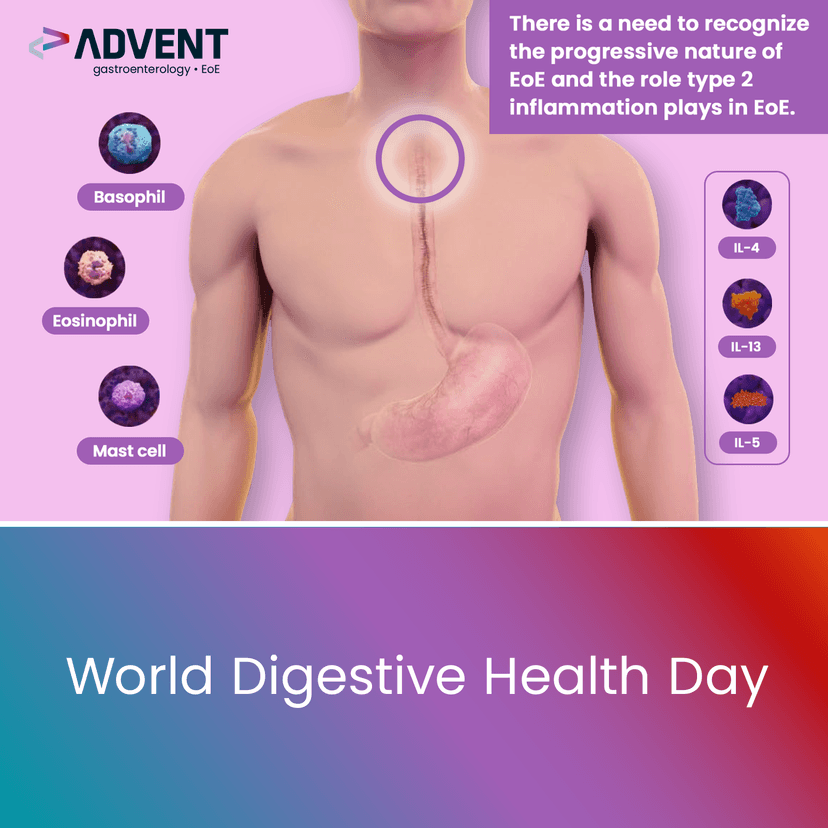
World Digestive Health Day 2024 | May 29
In recognition of World Digestive Health Day, ADVENT is providing medical education resources to increase awareness of eosinophilic esophagitis (EoE).

Assessment of Smell Loss in CRSwNP Interactive Infographic
Use this educational tool to explore the daily burden of loss of smell for patients with CRSwNP.

EoE Burden and Pathophysiology of Type 2 Inflammation
Learn about the significant burden that patients with EoE experience, and the role of type 2 inflammation in this chronic, progressive disease.
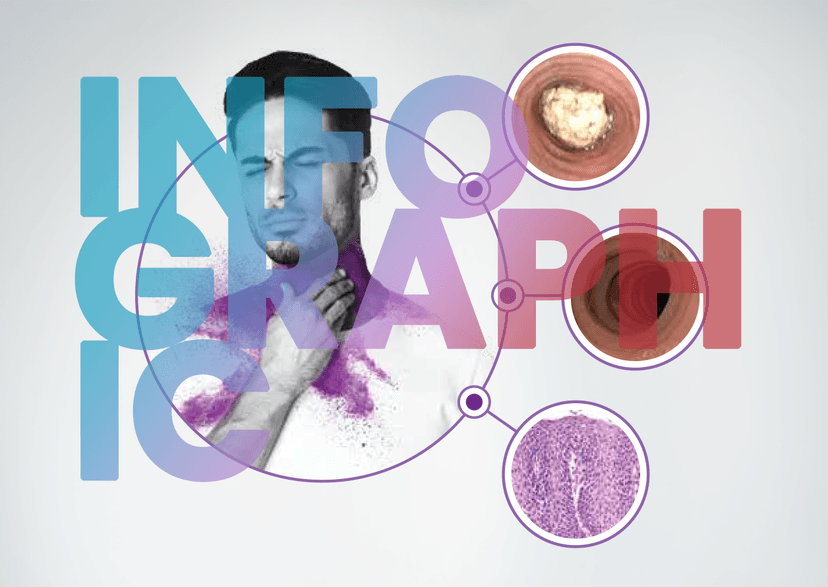
Importance of Assessing Key Disease Domains in EoE Infographic
Learn about the importance of assessing key disease domains in EoE by focusing on symptoms, QoL, endoscopy, and histology.

Atopic and Nonatopic Comorbidities in AD and the Importance of Early Intervention
In this soundbite video from the April 2025 ADVENT Forum in Lisbon, Portugal, Dr Amy Paller reviews the increased risk of atopic and nonatopic comorbidities associated with atopic dermatitis and discusses the potential of early intervention to mitigate their development.

The Patient's Path: Unraveling the Diagnosis and Burden of Bullous Pemphigoid
Follow Janet, a hypothetical patient, as she navigates the difficult journey of bullous pemphigoid, starting with symptom onset to diagnosis.

Managing Type 2 Inflammatory Diseases: Multidisciplinary Frame of Mind
Drs. Bob Geng and Lawrence Eichenfield highlight a multidisciplinary team approach to patient-centered care in diseases with type 2 inflammation

Compounded Burden of Co-existing Type 2 Airway Diseases
In this video soundbite from the EAACI 2025 symposium, Dr. Brian Lipworth discusses that co-existing type 2 inflammatory diseases are common in patients with CRSwNP & increasing severity of asthma is associated with higher severity of CRS and prevalence of nasal polyps. Additionally, he explains that patient burden is substantially greater when asthma and CRSwNP are co-existing.

Master Clinician Video | The Moment of Impact: EoE in the Emergency Department (Chapter 1)
This chapter highlights how a food bolus impaction may be the initial manifestation of a patient with EoE masked by adaptive eating behavior.
