49 search results for: disease control
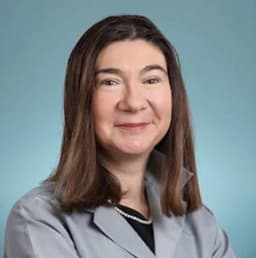
Giselle Mosnaim, MD, MS, FAAAAI, FACAAI
Giselle Mosnaim is a board-certified allergist and immunologist at Endeavor Health and Clinical Assistant Professor at the University of Chicago Pritzker School of Medicine. An internationally recognized expert in asthma and allergic diseases, her clinical and research interests focus on severe and uncontrolled asthma, digital health, and improving patient outcomes through innovative, evidence-based care.
ADVENT On Air | Expert Discussions in Dermatology
Listen to the latest updates in type 2 inflammatory science and associated skin diseases, brought to you by leading dermatology experts in the field. ADVENT On Air podcasts feature scientific conversations that explore new research into the pathophysiology, clinical features, and disease burden for a range of dermatological diseases linked to type 2 inflammation, including atopic dermatitis (AD) and prurigo nodularis (PN). Hear new insights revealed through expert-led conversations below or in your preferred podcast app.


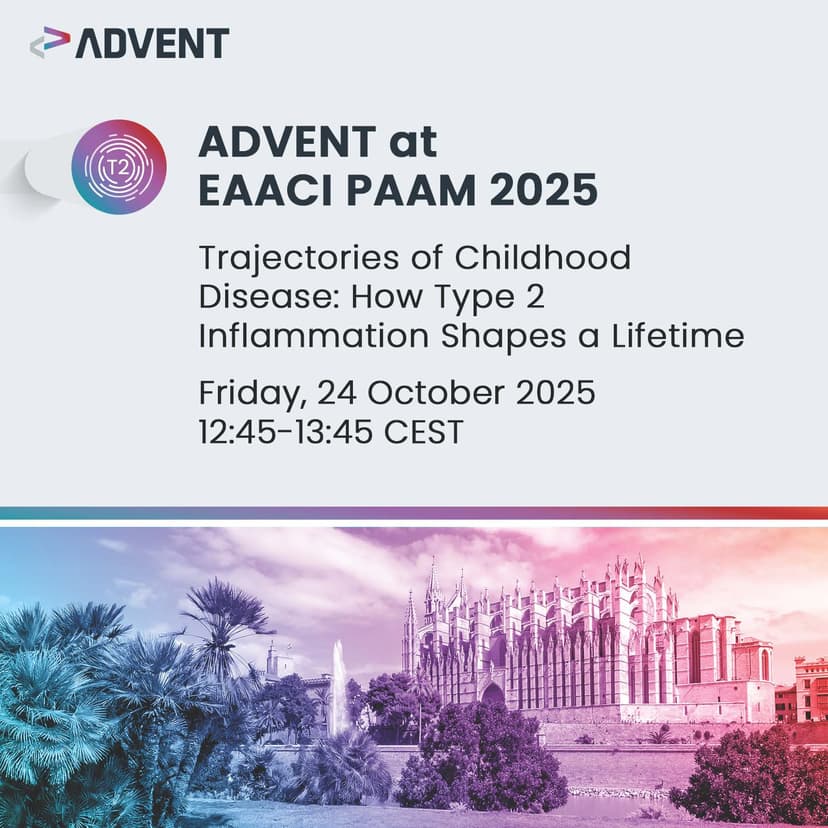
ADVENT at EAACI PAAM 2025
Join Sanofi and Regeneron for an educational symposium on type 2 inflammation processes underlying pediatric asthma, atopic dermatitis, and eosinophilic esophagitis.
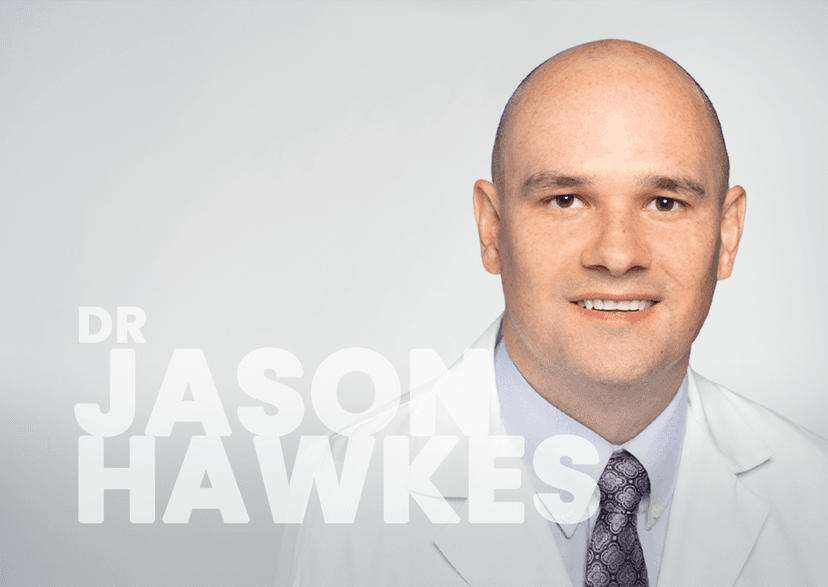
Essential Tools for Effective Care of Patients With Chronic Spontaneous Urticaria
Tune in as Dr. Jason Hawkes describes how to assess disease activity in chronic spontaneous urticaria.
World Anosmia Day 2026
Join the effort to improve CRSwNP care. World Anosmia Day serves as an opportunity to raise awareness about the loss of the sense of smell. Access some of countless educational resources with ADVENT below.
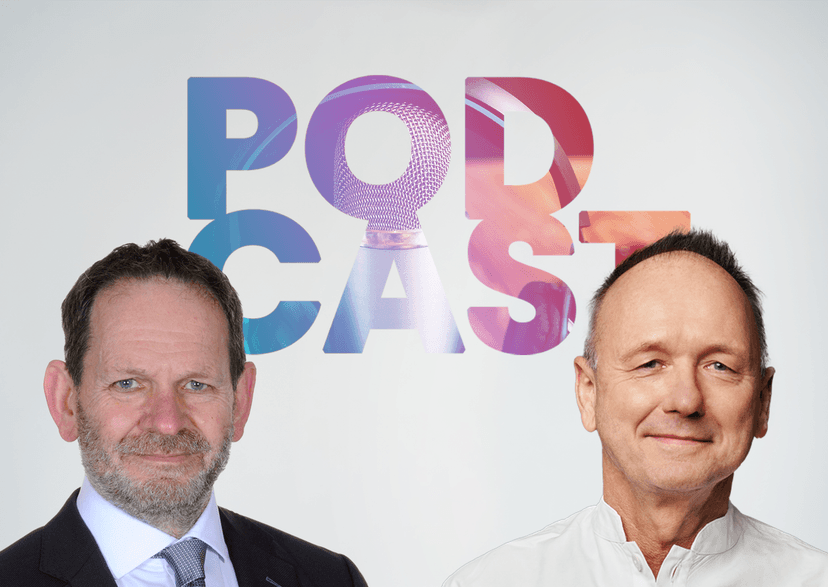
ADVENT On Air | The Road Ahead: Achieving Remission for Patients With Asthma
Join Professors Klaus Rabe and Ian Pavord as they discuss the importance of on-treatment clinical remission as a goal in asthma management.

World Anosmia Awareness Day
Explore our educational resources about loss of smell and the role of type 2 inflammation in CRSwNP, featuring expert insights from Profs. Wytske Fokkens and Joaquim Mullol.
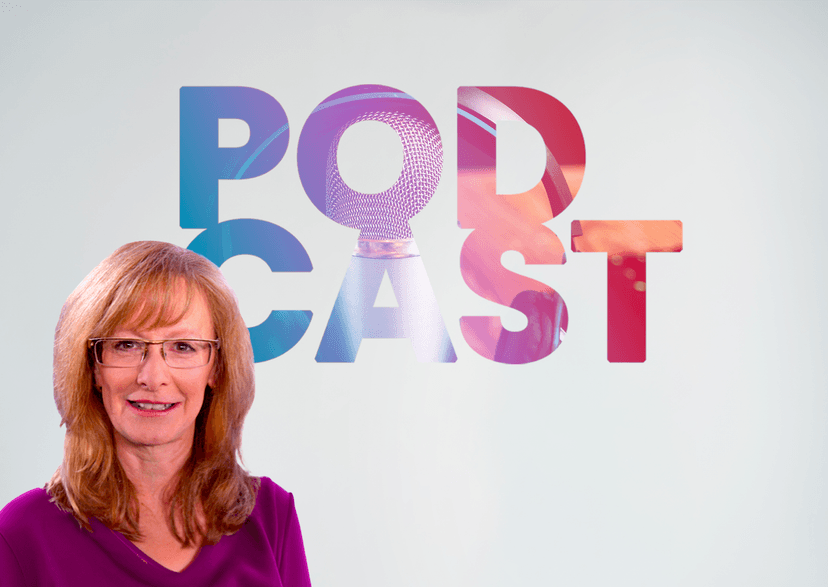
ADVENT On Air | Exploring The Urgency to Treat in Atopic Dermatitis
Professor Lisa Beck explores the chronic and persistent burden of atopic dermatitis (AD) as well as the concept of early intervention in patients with AD.
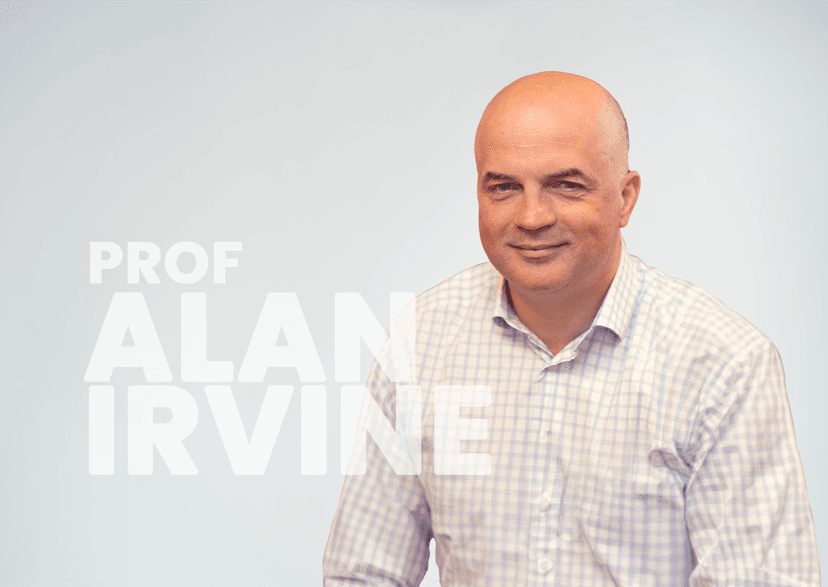
Beyond Clinical Control: Targeting Type 2 Inflammation for Improved Patient Outcomes
Prof Alan Irvine presents the latest clinical and real-world evidence supporting the potential for disease modification in atopic dermatitis, at EADV 2025.
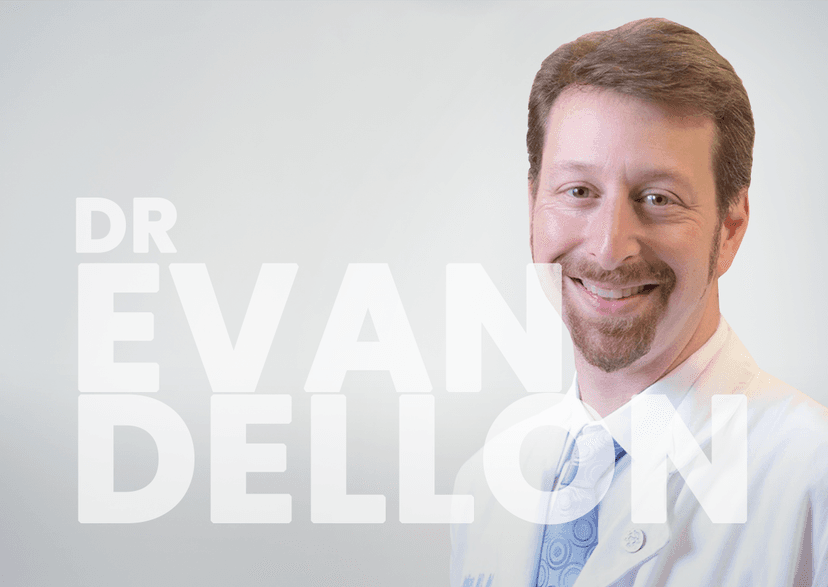
Gap in Care Leads to Progression of Fibrosis in EoE
Dr. Evan Dellon discusses the clinical implications of gaps in medical care on the risk of fibrotic progression in EoE.

Assessing EoE: Assessing Symptoms in Patients With EoE
Join Dr. Nirmala Gonsalves as she reviews symptoms of EoE and tools to assess symptoms in patients with EoE.
Assessing EoE: Measuring Quality of Life in Patients With EoE
Join Dr. Nirmala Gonsalves as she reviews some of the tools to assess quality-of-life outcomes in patients with EoE.
