23 search results for: IL-4
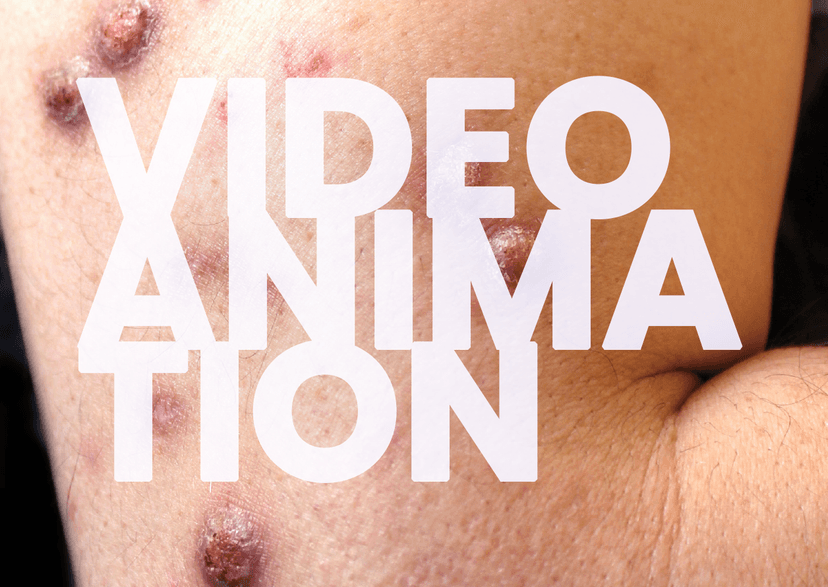
The Pathophysiology of Prurigo Nodularis
An infographic exploring the pathophysiology of prurigo nodularis and the role of type 2 inflammation.

On the Surface: Restoring the Skin Barrier in Patients With AD
In this video from the April 2025 WCPD symposium, Dr Amy Paller discusses the pathophysiology of skin barrier dysfunction in AD and how regulating IL-4 and IL-13 signaling may lead to restoration of the skin barrier. Dr Paller goes on to explore how reducing certain biomarkers, such as CCL17 (TARC), may reduce inflammation that contributes to AD severity in pediatric patients.
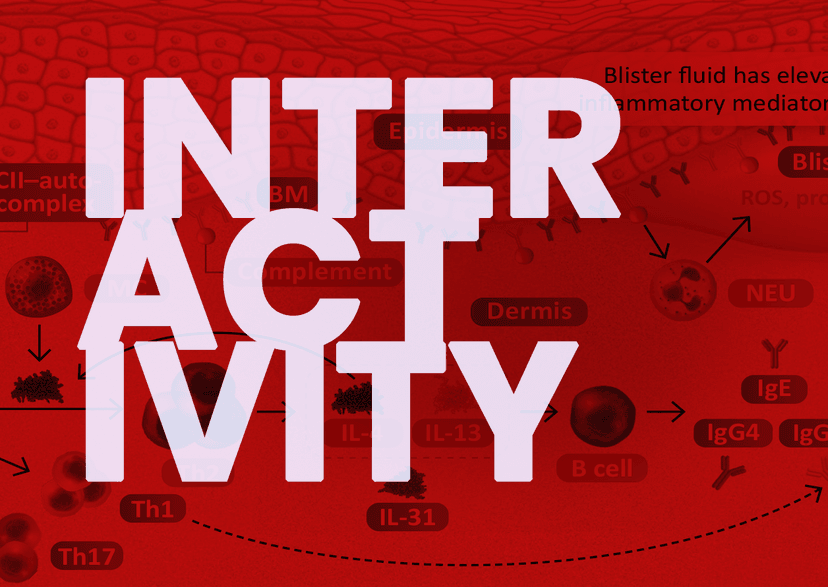
Bullous Pemphigoid (BP) Pathophysiology Infographic
A static infographic detailing how autoimmunity and Type 2 inflammation play a critical role in the pathophysiology of Bullous Pemphigoid (BP).
Unraveling the Link of Type 2 Inflammation and Airway Remodeling in Asthma
Join Dr. Celeste Porsbjerg as she discussed on how type 2 inflammation may lead to airway remodeling in asthma, exploring the pathophysiologic mechanisms, that ultimately lead to structural changes and irreversible loss of lung function
Exploring the Potential Role of Biomarkers in Managing Bullous Pemphigoid
Dr. Donna Culton discusses biomarkers in bullous pemphigoid and considers their potential clinical use.
Bullous Pemphigoid Is an Autoimmune Disease Involving Dysregulated Type 2 Immune Response
Listen as Dr. Donna Culton discusses the importance of crosstalk between autoantibodies and type 2 inflammation in the development of bullous pemphigoid.
Key Pathophysiological Mechanisms of Chronic Spontaneous Urticaria Are Driven by Type 2 Inflammation
Join Dr. Jason Hawkes as he explains the importance of type 2 inflammation in chronic spontaneous urticaria.

Role of Type 2 Cytokines in Asthma and COPD
Dr Mario Castro explains how type 2 cytokines play a crucial role in airway remodeling and inflammation in asthma and COPD, impacting patient outcomes.

Expert Interview: Featuring Dr Shawn Kwatra on PN itch and impact on patients
Join Dr Kwatra as he dives deeper into the mechanism of lesion formation in Prurigo Nodularis and the impact the development of these skin lesions have on patient life.

Type 2 Inflammation Contributes to Itch and Fibrois in PN
Join Dr. Kwatra outlining the micro itch cycle involving type 2 cell polarization and cytokines that directly affect fibroblasts to cause more immune dysregulation in PN.

Shared and Distinct: The Role of Type 2 Inflammation in Skin Diseases
Dr Donna Culton walks through the pathophysiology of type 2 inflammation in inflammatory skin diseases, using bullous pemphigoid as an example. Drs Eichenfield, Elmariah, and Hawkes join to discuss the role of type 2 inflammation across atopic dermatitis, prurigo nodularis, and chronic spontaneous urticaria, respectively.
