121 search results for: burden of disease
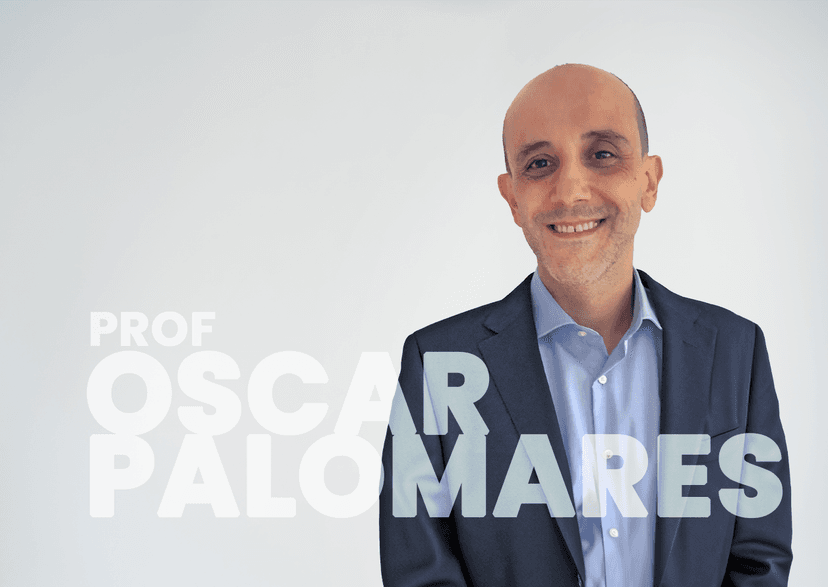
Type 2 Inflammatory Diseases Can Negatively Impact Patients and Their Caregivers
In this soundbite video from the April 2025 ADVENT Forum in Lisbon, Portugal, Prof Oscar Palomares highlights the substantial impact of type 2 inflammatory diseases on the quality of life of patients and their caregivers.

ERS-ISIAN 2025 | Type 2 Inflammation: Links with Severe/Uncontrolled CRSwNP
Prof. Vibeke Backer provides an insightful presentation on the association of type 2 inflammation and the pathogenesis and management of severe and uncontrolled CRSwNP.
World Anosmia Day 2026
Join the effort to improve CRSwNP care. World Anosmia Day serves as an opportunity to raise awareness about the loss of the sense of smell. Access some of countless educational resources with ADVENT below.
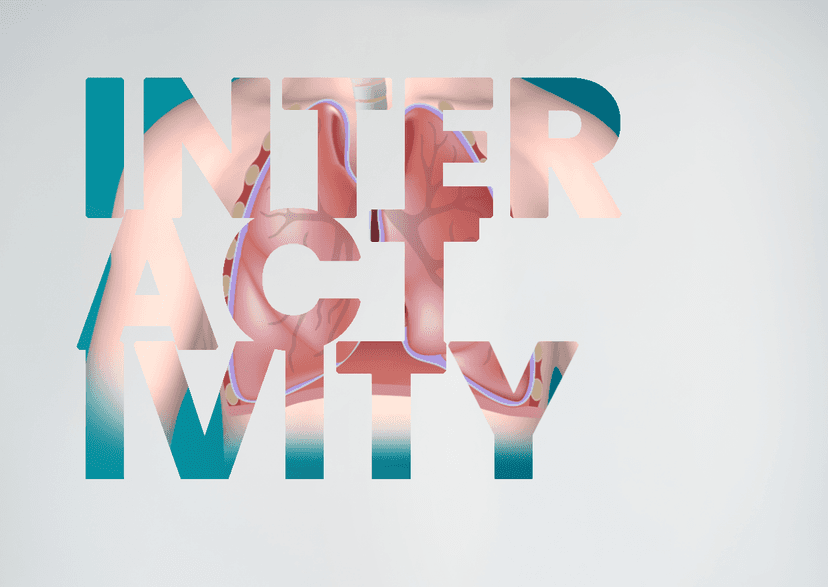
Lung Function Decline: Why it Matters and What’s at Stake for Patients
Understand the drivers of lung function decline in chronic obstructive pulmonary disease (COPD), including chronic inflammation, key risk factors, and the impact on patient well-being .
Diagnosis of Bullous Pemphigoid Interactive Patient Case
An interactive patient case tool involving a deeper dive into assessing clinical presentation when diagnosing bullous pemphigoid (BP)

CRSwNP Triathlon: An Interactive Learning Experience
Embark on this interactive triathlon challenge to uncover the interplay of type 2 inflammation, barrier dysfunction, and neuroimmune dysregulation in the disease pathology of CRSwNP.

ADVENT On Air | Loss of Smell in CRSwNP Patients
Profs. Wytske Fokkens and Joaquim Mullol discuss the clinical significance of the loss of smell in patients with CRSwNP.

Eosinophils: A Biomarker in COPD
Learn how to identify chronic obstructive pulmonary disease (COPD) patients with type 2 inflammation using blood eosinophil (EOS) levels, understand the associated risks, and recognize factors that may influence EOS counts.

Identifying BP: How do symptoms of BP and their severity alter patient diagnosis?
Dr. Victoria Werth explains how diagnosing BP can pose many difficulties in patients due to the variation of symptoms and symptom severity. Dr. Werth also discusses what burden and challenges BP patients might expect as a result.

The Chronic Nature of CSU: Understanding Disease Duration and Persistence
Dr. Elena Netchiporouk discusses the chronic nature of CSU at EADV 2025.

How the Understanding of PN has Evolved?
Dr Kwatra poses the question: How do we assess disease modification in PN, and can treating early stop tissue damage and worsening of systemic diseases associated with PN?

ERS-ISIAN 2025 | Treatable Traits in CRSwNP
Join Prof. Sietze Reitsma for an insightful presentation that will delve into identifying and leveraging key characteristics to optimize patient management and treatment outcomes.
