132 search results for: Burden of Disease

Bullous Pemphigoid: Exploring New Frontiers
Highlights from the ADVENT educational symposium at EADV 2024 discussing the current understanding of the science and treatment landscape in bullous pemphigoid (BP).
ADVENT On Air | Best Practice for CSU - Perspectives from Allergy and Dermatology
Join allergist Dr. Nicole Chase and dermatologist Dr. Jason Hawkes as they dispel common myths in the management of chronic spontaneous urticaria (CSU). They offer practical, empathetic strategies to move beyond unnecessary diagnostics and delays, focusing instead on urgent treatment escalation and effective management to reduce the profound burden of uncontrolled CSU on patients.

Exploring the Potential Disease-Modifying Approaches in AD
Explore the concept of disease modification in atopic dermatitis through this interactive infographic, which highlights potential considerations such as optimal sustained disease control, subclinical inflammation, the pathophysiology of AD, and atopic/non-atopic comorbidities.
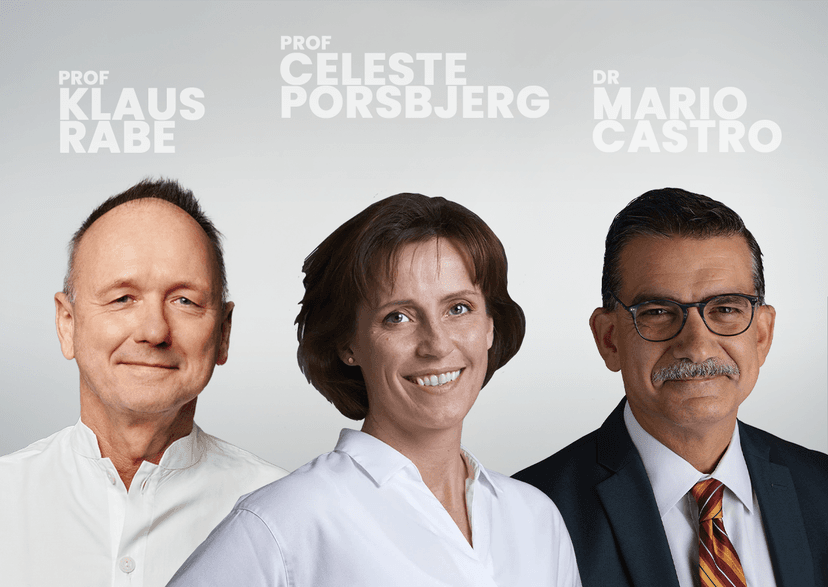
ERS 2024 | Fireside Chat: What Is the Potential for Disease Modification in the Era of Biologics?
Professors Celeste Porsbjerg and Klaus Rabe and Dr Mario Castro discuss disease modification in severe asthma, including what disease modification is, how it can be identified, and how the advent of biologics may bring about disease modification.
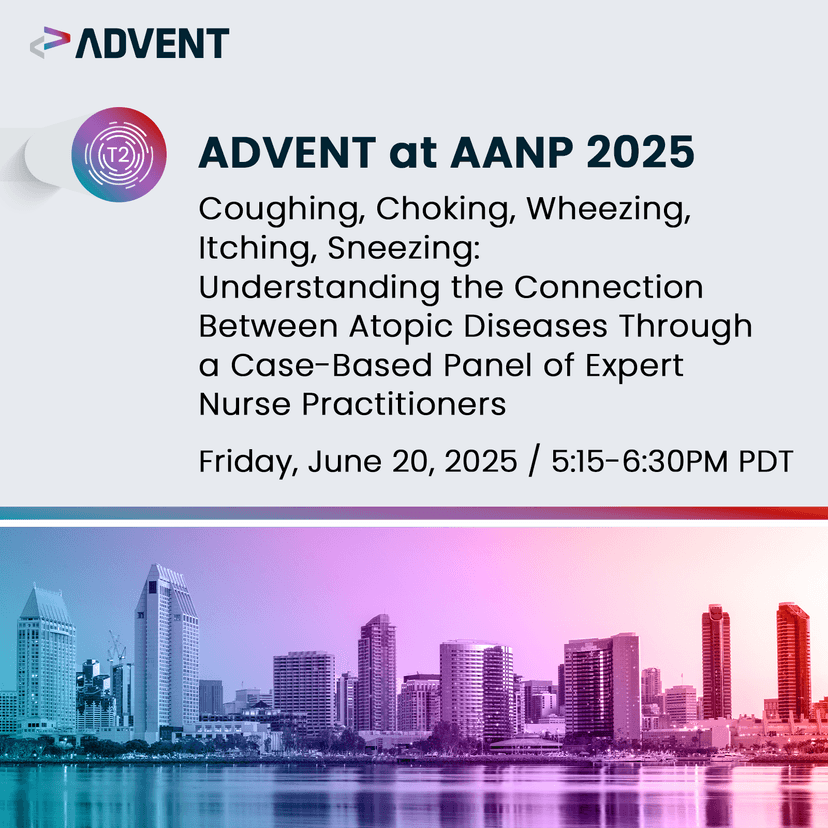
Coughing, Choking, Wheezing, Itching, Sneezing: Understanding the Connection Between Atopic Diseases Through a Case-Based Panel of Expert Nurse Practitioners
Join leading experts Miguel Lanz, Lakshi Aldredge, Angela Bretton, and Hilary Ugras in an engaging case-based discussion that explores the interconnected nature of chronic underlying type 2 inflammation and its profound impact across multiple diseases.
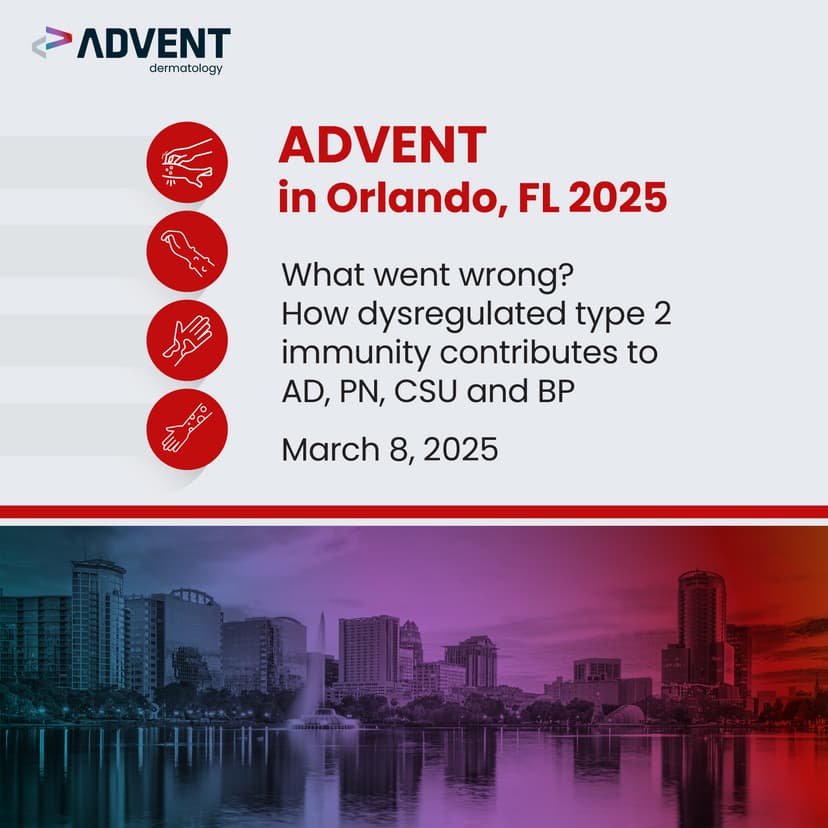
ADVENT in Orlando, 2025
Type 2 inflammation contributes to many dermatologic diseases, which may lead to potentially life-changing burdens and challenges to patients and caregivers. By uncovering the role of type 2 inflammation in the pathophysiology of AD, PN, CSU, and BP, we can move forward in our understanding of each disease. Join global experts for an educational symposium on March 8th that will uncover the role of type 2 inflammation in the pathophysiology of AD, PN, CSU, and BP and explore questions driving current research in each disease.
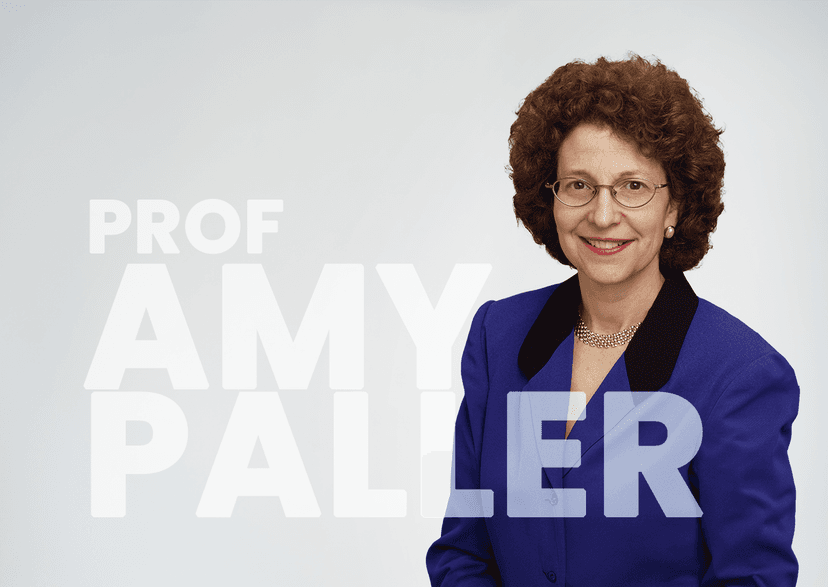
Atopic Dermatitis and the Growing Evidence for Its Association with Various Non-Atopic Systemic Diseases
In this soundbite video from the April 2025 ADVENT Forum in Lisbon, Portugal, Prof. Amy Paller reviews emerging evidence linking atopic dermatitis not only to atopic comorbidities but to a range of non-atopic systemic diseases, including mental health disorders, neurodevelopmental conditions and impaired bone health.

ERS-ISIAN 2025 | Type 2 Inflammation: Links with Severe/Uncontrolled CRSwNP
Prof. Vibeke Backer provides an insightful presentation on the association of type 2 inflammation and the pathogenesis and management of severe and uncontrolled CRSwNP.
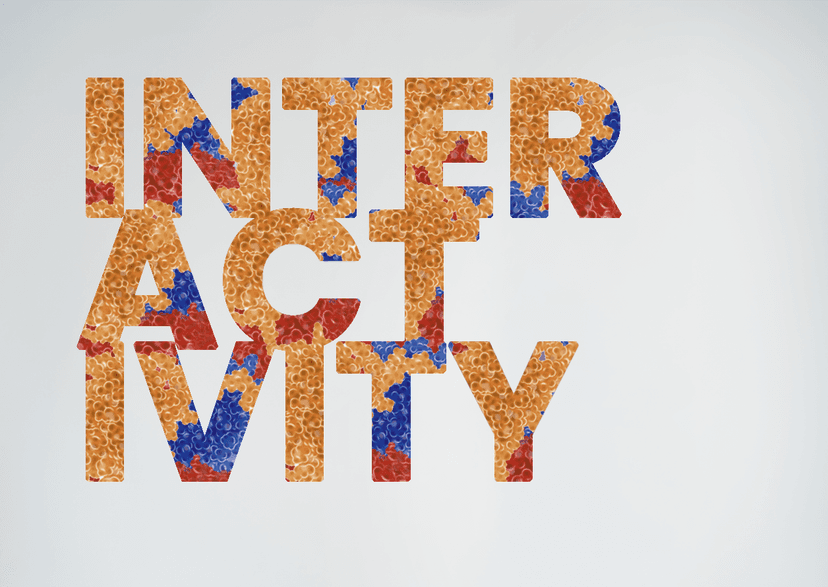
Loss of Smell is a Key Symptom of CRSwNP
Learn how loss of smell in CRSwNP is a key symptom for both patients and providers.
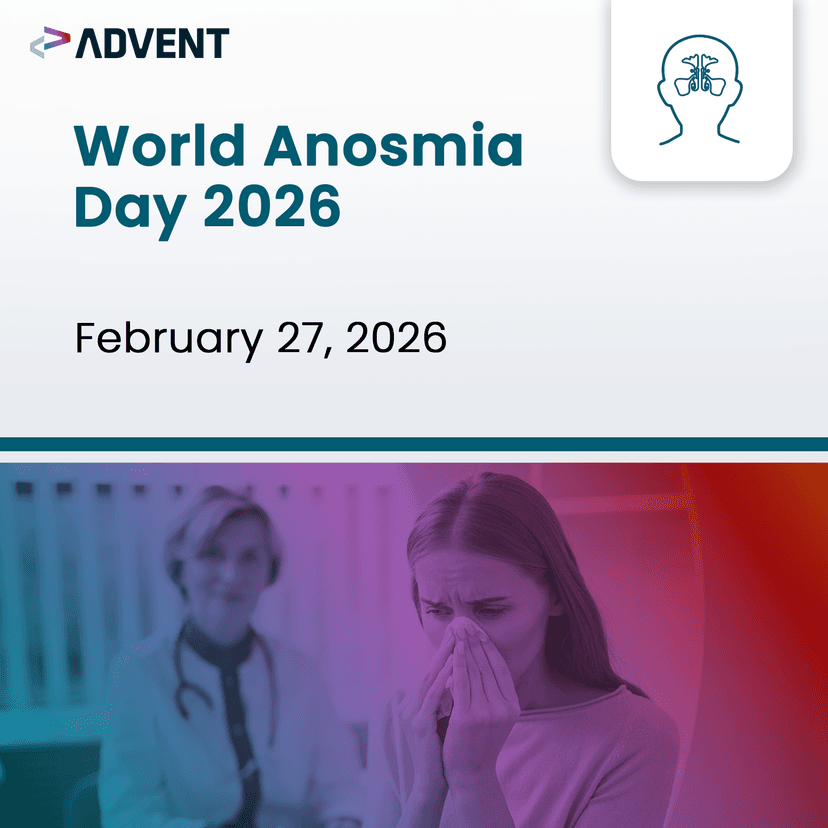
World Anosmia Day 2026
Join the effort to improve CRSwNP care. World Anosmia Day serves as an opportunity to raise awareness about the loss of the sense of smell. Access some of countless educational resources with ADVENT below.
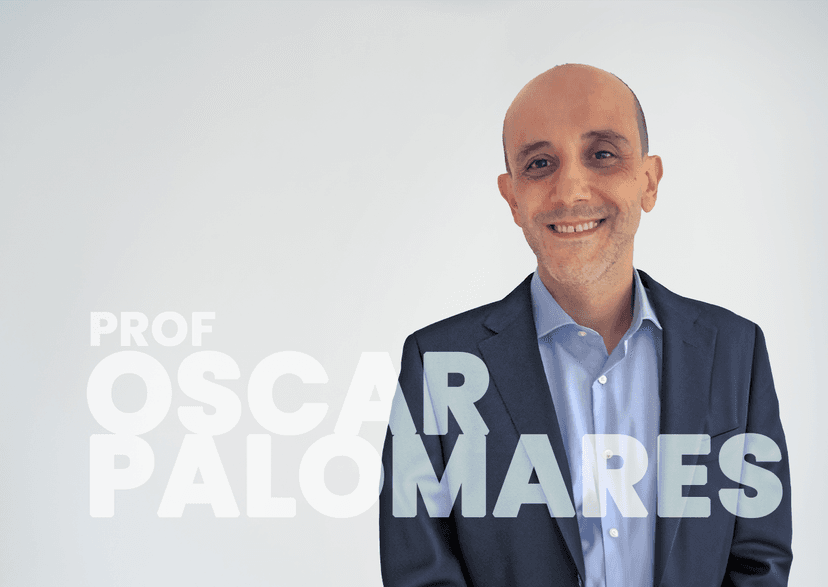
Type 2 Inflammatory Diseases Can Negatively Impact Patients and Their Caregivers
In this soundbite video from the April 2025 ADVENT Forum in Lisbon, Portugal, Prof Oscar Palomares highlights the substantial impact of type 2 inflammatory diseases on the quality of life of patients and their caregivers.
Diagnosis of Bullous Pemphigoid Interactive Patient Case
An interactive patient case tool involving a deeper dive into assessing clinical presentation when diagnosing bullous pemphigoid (BP)
