81 search results for: chronic inflammation

The Role of IL-4 and IL-13 in CSU Pathogenesis
Dive into the complex pathophysiology of chronic spontaneous urticaria (CSU), where mast cell degranulation drives the hallmark signs and symptoms. This interactive infographic elucidates how key type 2 cytokines, specifically IL-4 and IL-13, contribute to mast cell activation, immune cell trafficking into the skin, and neuronal sensitization in CSU, which ultimately leads to the release of mediators like histamine that cause wheals, angioedema, and itch.
Bullous Pemphigoid Is an Autoimmune Disease Involving Dysregulated Type 2 Immune Response
Listen as Dr. Donna Culton discusses the importance of crosstalk between autoantibodies and type 2 inflammation in the development of bullous pemphigoid.
Role of Type 2 Inflammation in Skin Barrier Disruption and Itch
In this highlight video from the October 2024 ADVENT symposium at EAPS in Vienna, Austria, Dr Christine Bangert discusses how type 2 inflammation contributes to epidermal barrier dysfunction and chronic itch in AD
Type 2 Inflammation Within Skin Tissue in AD
In this highlight video from the September 2024 ADVENT symposium at EADV’s Annual Meeting in Amsterdam, the Netherlands, Dr. Stephan Weidinger discusses how type 2 inflammation contributes to epidermal barrier dysfunction, perivascular infiltration and plasma protein leakage, and chronic itch in AD.
ADVENT On Air | Expert Discussions in Dermatology
Listen to the latest updates in type 2 inflammatory science and associated skin diseases, brought to you by leading dermatology experts in the field. ADVENT On Air podcasts feature scientific conversations that explore new research into the pathophysiology, clinical features, and disease burden for a range of dermatological diseases linked to type 2 inflammation, including atopic dermatitis (AD) and prurigo nodularis (PN). Hear new insights revealed through expert-led conversations below or in your preferred podcast app.


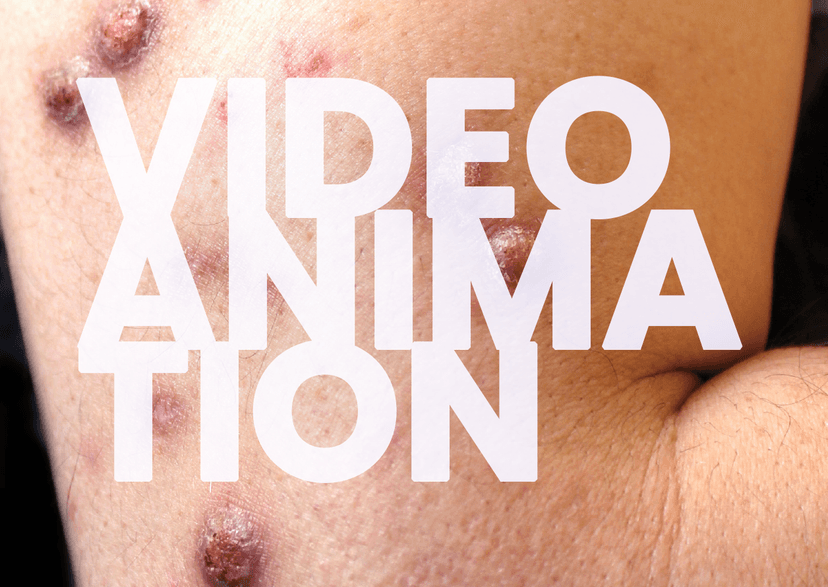
The Pathophysiology of Prurigo Nodularis
An infographic exploring the pathophysiology of prurigo nodularis and the role of type 2 inflammation.
Assessment of Smell Loss in CRSwNP Interactive Infographic
Use this educational tool to explore the daily burden of loss of smell for patients with CRSwNP.
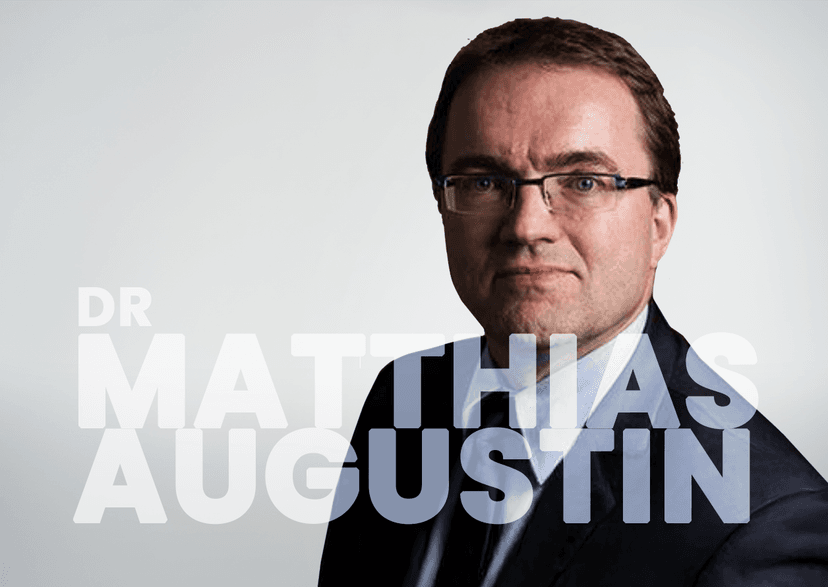
Understanding the Full Scope of PN: Lesions, Dyspigmentation, and Patient Burden
Professor Matthias Augustin details the various clinical manifestations of prurigo nodularis, illustrating how different lesion types can present concurrently in patients.
Beyond the Skin: Understanding Systemic Comorbidities in Prurigo Nodularis
Professor Matthias Augustin highlights the high prevalence of both atopic and non-atopic comorbidities in patients with PN, including increased risks of cardiovascular events and all-cause mortality.
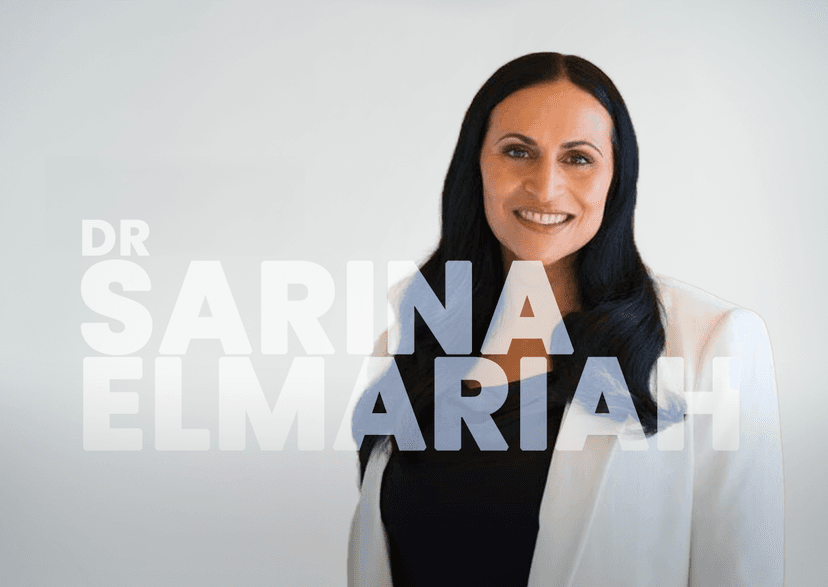
Understanding the Contribution of IL-4 in the Development of Fibrosis in Prurigo Nodularis
Professor Sarina Elmariah highlights the multifaceted role of IL-4 and IL-13 in driving dermal fibrosis in prurigo nodularis, which leads to persistent scarring and dyspigmentation that significantly contribute to patients' embarrassment, anxiety, depression, and self-esteem.

Targeted Approaches to Holistic Management of PN
Professors Matthias Augustin and Sarina Elmariah evaluate how targeted therapies transform the management of prurigo nodularis, addressing the itch-scratch cycle and broader manifestations such as lesions.
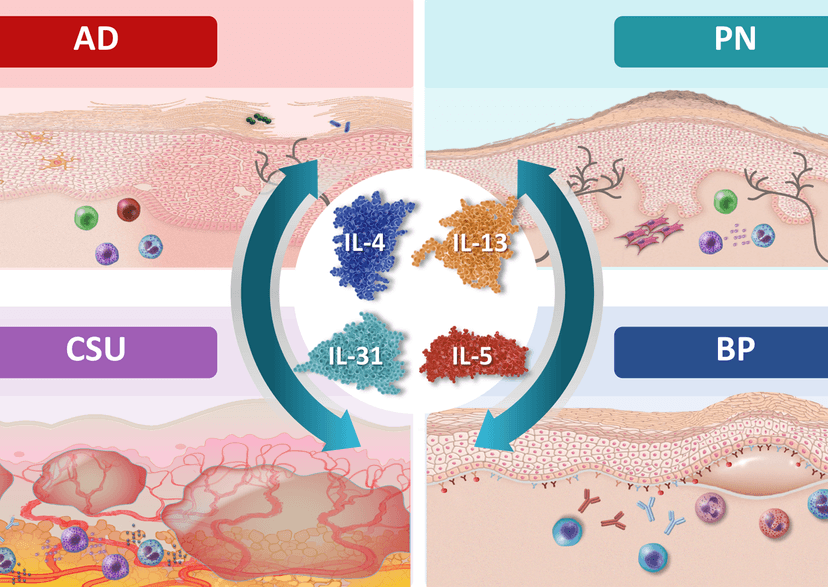
What Went Wrong? How Dysregulated Type 2 Immunity Contributes to AD, PN, CSU, and BP
This is the full presentation of the March 2025 ADVENT cross-dermatology symposium, hosted in Orlando, Florida, presenting the latest information around type 2 inflammation and its association with atopic dermatitis (AD), prurigo nodularis (PN), chronic spontaneous urticaria (CSU) and bullous pemphigoid (BP).
