136 search results for: Pathophysiology
Type 2 Inflammation, Neurosensitization, and Chronic Itch in Atopic Dermatitis
Learn about type 2 inflammation as a driver of neurosensitization and chronic itch in atopic dermatitis with this educational tool.
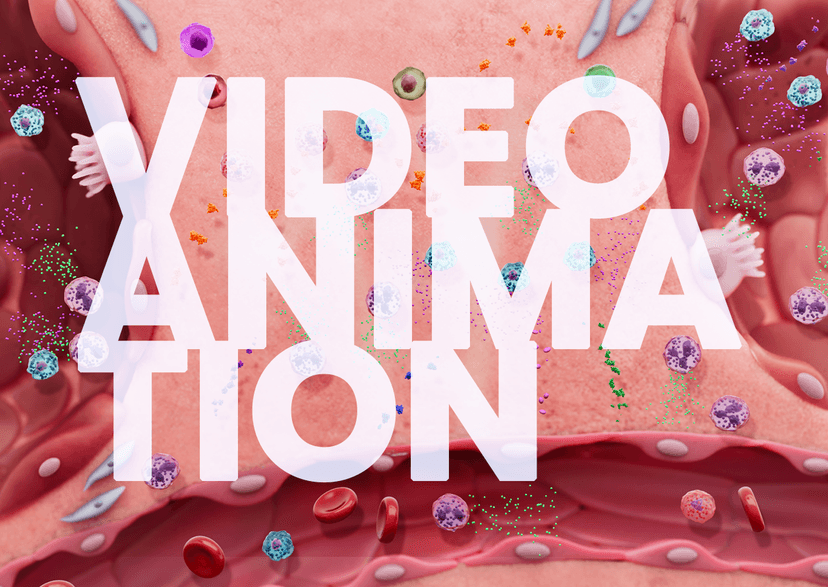
Pathways to Disease: Inflammation in Chronic Obstructive Pulmonary Disease Video
Learn about the significant burden that patients with COPD experience and the role of inflammatory mechanisms in this chronic, often progressive disease.

Bullous Pemphigoid: Exploring New Frontiers
Highlights from the ADVENT educational symposium at EADV 2024 discussing the current understanding of the science and treatment landscape in bullous pemphigoid (BP).
World Anosmia Day 2026
Join the effort to improve CRSwNP care. World Anosmia Day serves as an opportunity to raise awareness about the loss of the sense of smell. Access some of countless educational resources with ADVENT below.

ADVENT On Air Podcast: Unmet Needs and Current Treatment Landscape with Bullous Pemphigoid
In this podcast, Dr. Teri Greiling and Dr. Daniel Butler discuss the enormous burden patients with bullous pemphigoid experience and how our understanding of the disease pathophysiology may help address unmet treatment needs.

Emerging Perspectives on the Disease Burden and Management of Children with Atopic Dermatitis
Join Christine Bangert, Mark Boguniewicz and Perla Lansang for an educational symposium on atopic dermatitis (AD) in children, exploring the diagnosis and pathophysiology of AD in children, the life-long effects of uncontrolled disease beyond the skin, and current and emerging therapies.

Bullous Pemphigoid: Insights and Innovation
Watch Dr. Donna Culton, Prof. Dédée Murrell, and Prof. Ulrike Raap at EADV 2025 as they explore the clinical presentation and diagnosis of BP and break down the underlying pathophysiology including the roles of autoimmunity and key inflammatory pathways such as Type 2 inflammation. The experts also discuss the evolving therapeutic landscape and how new insights are shaping future treatment strategies.
CRSwNP at Center Stage: Impact of Biologics in Patients with Co-existing Type 2 Asthma
In this video soundbite from the EAACI 2025 symposium, Dr. Philippe Gevaert explains how biologic options for uncontrolled CRSwNP are increasing, and phase 3 studies of approved biologics show improved outcomes and decreased SCS use/surgery in patients with CRSwNP. Additionally, he explains how biologics targeting type 2 inflammatory pathophysiology potentially improve outcomes for eligible patients with co-existing CRSwNP and asthma.

ERS-ISIAN 2025 | Type 2 Inflammation and Disease Control in CRSwNP: Current Perspectives and Future Directions
In this educational presentation, Profs. Vibeke Backer and Sietze Reitsma cover key aspects of type 2 inflammation and its role in the pathogenesis and management of CRSwNP and practical strategies for optimizing disease control and improving patient outcomes.
ADVENT On Air | Exploring The Urgency to Treat in Atopic Dermatitis
Professor Lisa Beck explores the chronic and persistent burden of atopic dermatitis (AD) as well as the concept of early intervention in patients with AD.
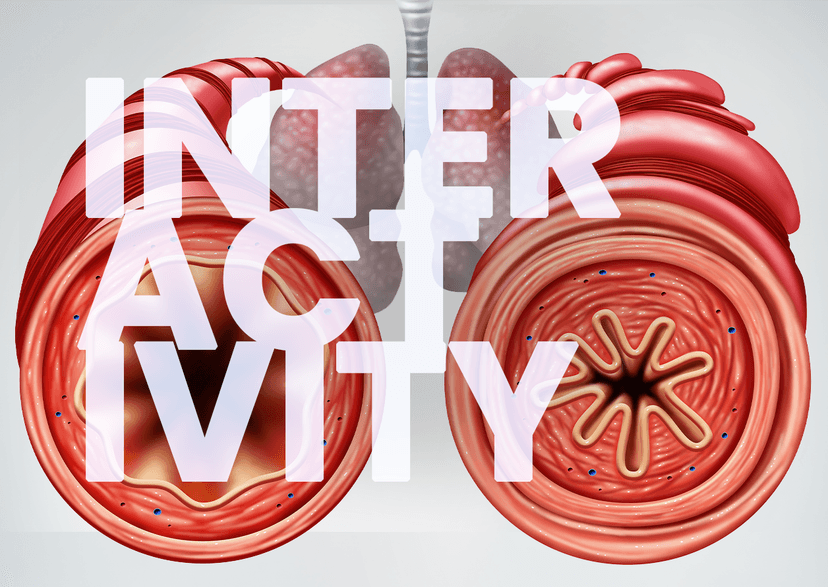
Airway Hyperresponsiveness In Asthma Is Mainly Driven By Components Of Type 2 Inflammation
Examine underlying type 2 inflammation as a driver of airway hyperresponsiveness in patients with asthma.

What Drives Chronic Itch and the Itch-Scratch Cycle in Atopic Dermatitis?
Watch this short video to learn how type 2 inflammation, skin barrier dysfunction, and neurosensitization contribute to chronic itch and the itch-scratch cycle in atopic dermatitis
