81 search results for: chronic inflammation

From Protective Type 2 Immunity to Aberrant Type 2 Inflammation
In this soundbite video from the April 2025 ADVENT Forum in Lisbon, Portugal, Prof. Oscar Palomares explains how type 2 immunity evolved to protect against parasites, venoms, and toxins, and how its dysregulation can result in aberrant type 2 inflammation underlying multiple chronic inflammatory diseases.

Type 2 Inflammation Is a Driving Factor for Atopic Dermatitis and Related Comorbidities
Dr. Lawrence Eichenfield describes the pathophysiology of atopic dermatitis and how type 2 inflammation may sensitize patients to atopic comorbidities.

Beyond the Visible: The Cumulative Burden of Prurigo Nodularis
Professor Matthias Augustin emphaizes that prurigo nodularis is a chronic systemic disease with a significant and multifaceted burden, encompassing both visible skin manifestations and hidden psychosocial and physical comorbidities.
ADVENT at EADV 2025
Join leading dermatologists for educational symposia on atopic dermatitis, bullous pemphigoid, and chronic spontaneous urticaria at the EADV congress in Paris, France.

Role of Type 2 Cytokines in Asthma and COPD
Dr Mario Castro explains how type 2 cytokines play a crucial role in airway remodeling and inflammation in asthma and COPD, impacting patient outcomes.

Eosinophils: A Biomarker in COPD
Learn how to identify chronic obstructive pulmonary disease (COPD) patients with type 2 inflammation using blood eosinophil (EOS) levels, understand the associated risks, and recognize factors that may influence EOS counts.

Type 2 Inflammation Contributes to Itch and Fibrois in PN
Join Dr. Kwatra outlining the micro itch cycle involving type 2 cell polarization and cytokines that directly affect fibroblasts to cause more immune dysregulation in PN.
ADVENT at San Diego, 2024
Two educational symposia at San Diego, 2024, explore the role of type 2 inflammation and the related manifestations in atopic dermatitis, prurigo nodularis, and chronic spontaneous urticaria.

What Went Wrong? How Dysregulated Type 2 Immunity Contributes to AD, PN, CSU, and BP
The March 2025 ADVENT symposium in Orlando, Florida brought together 4 dermatology experts to explore the evolving science of type 2 inflammation. Type 2 inflammation plays a central role in the pathophysiology of multiple dermatological diseases, driving chronic immune dysregulation that affects patients with atopic dermatitis (AD) prurigo nodularis (PN), chronic spontaneous urticaria (CSU) and bullous pemphigoid (BP). Understanding the mechanisms behind type 2 inflammation is key to advancing care and improving patient quality of life.
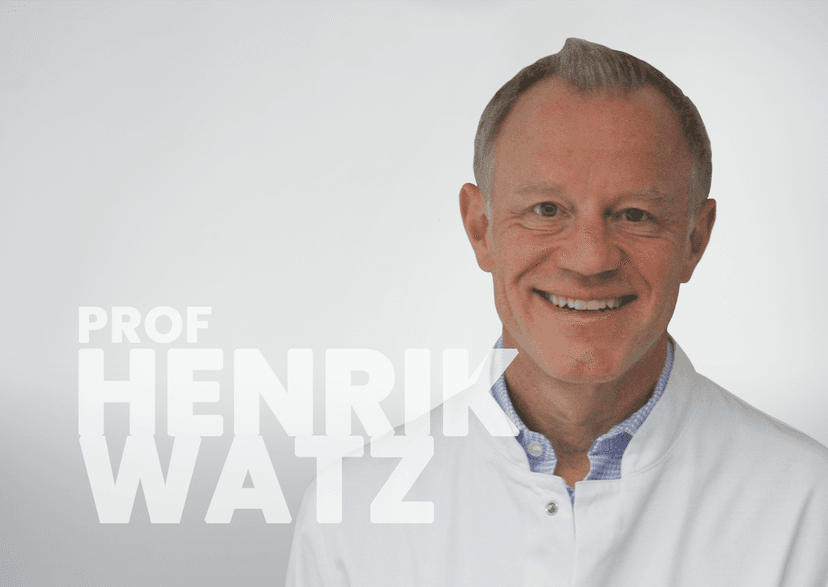
Phenotypes and Endotypes of COPD
Dr Henrik Watz discusses the two main COPD phenotypes: emphysema-predominant and bronchitis-predominant, detectable via clinical assessment and CT imaging.
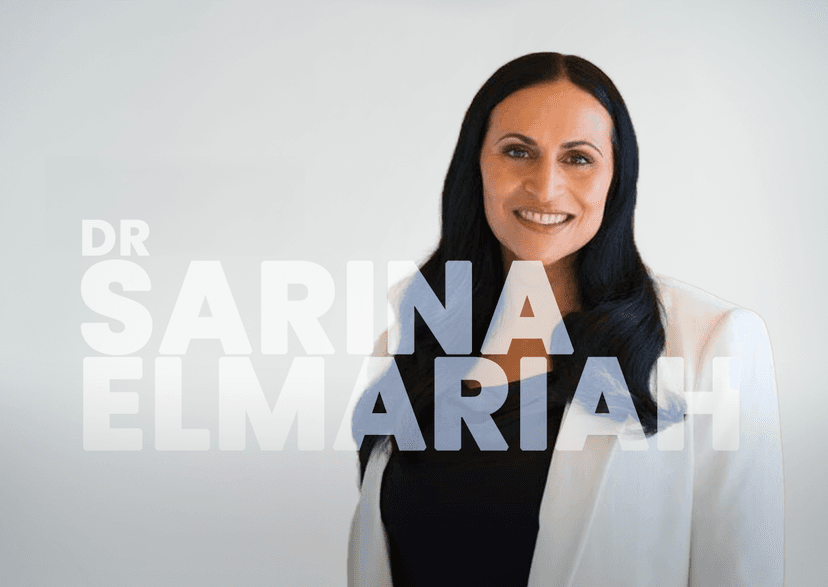
Beyond Itch: The Multifaceted Role of IL-4/IL-13 in the Pathogenesis of PN
Professor Sarina Elmariah describes how IL-4 and IL-13, key drivers of type 2 inflammation, uniquely contribute to manifestations of prurigo nodularis beyond itch.

Decoding the Clinical Puzzle: Navigating Diagnostic Complexity Across Inflammatory Skin Diseases
Dr Sarina Elmariah highlights the clinical challenges in diagnosing inflammatory skin diseases, using prurigo nodularis as a case study. Drs Culton, Eichenfield, and Hawkes then join in to discuss additional challenges and complexities when diagnosing other skin diseases.
