16 search results for: disease modification

ADVENT On Air | Early Intervention and Disease Modification in Atopic Dermatitis
Prof. Thomas Bieber explores early intervention and disease modification in atopic dermatitis.
The Burden of a Lifetime: Can Disease Modification Rewrite the Narrative of Atopic Dermatitis?
Join Professors Jean-David Bouaziz, Amy Paller, and Alan Irvine for a dynamic presentation on the multifaceted burden of atopic dermatitis, the evolving concept of disease modification, and how targeted systemic therapies may help improve long-term patient outcomes.

ADVENT On Air | Charting a New Course: The Frontier of Early Intervention and Disease Modification in AD
Join Drs. April Armstrong and Lisa Beck for a conversation around the long-term burden and effects of AD. They will discuss the underlying pathophysiology of AD and how early intervention and disease modification may impact disease course.

The Burden of a Lifetime: Can Disease Modification Rewrite the Narrative of Atopic Dermatitis?
Professors Bouaziz, Paller, and Irvine discuss the clinical burden of atopic dermatitis, the biomarkers of subclinical control, and evidence of potential disease modification in AD at EADV 2025.

ADVENT On Air | Disease Modification in Severe Asthma: Framework, Assessment, and Clinical Impact
Join Professors Brusselle and Backer as they discuss the concept of disease modification in asthma.

Navigating Complex Definitions: Early Intervention and Disease Modification in Atopic Dermatitis
Dr. Amy Paller discusses the evolving concepts of early intervention and disease modification in AD and describes potential biomarkers of subclinical control at EADV 2025.
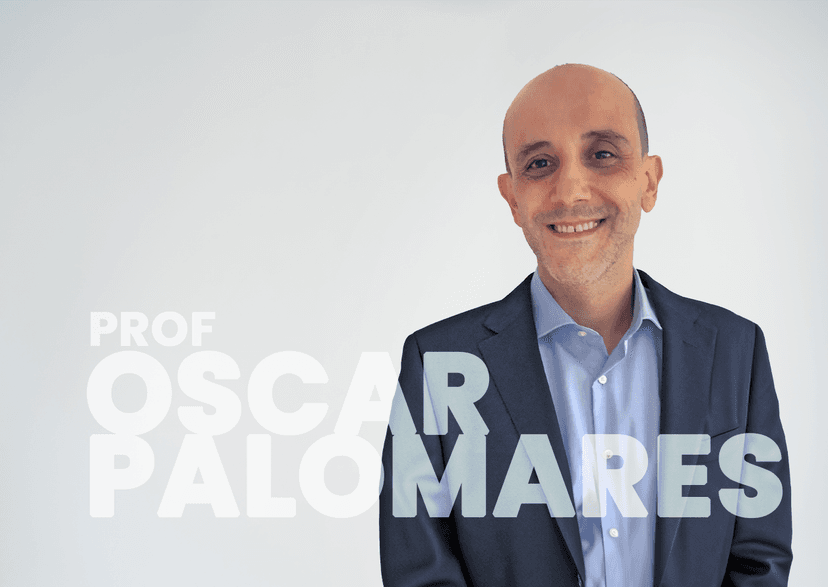
Which Biomarkers of AD Might Be Robust Enough to Be Evaluated as a Measure of Disease Modification?
In this soundbite video from the April 2025 ADVENT Forum in Lisbon, Portugal, Prof. Oscar Palomares reviews the cellular and molecular pathways underlying atopic dermatitis and considers which biomarkers may one day serve as robust measures of disease modification, despite no validated options currently being available.
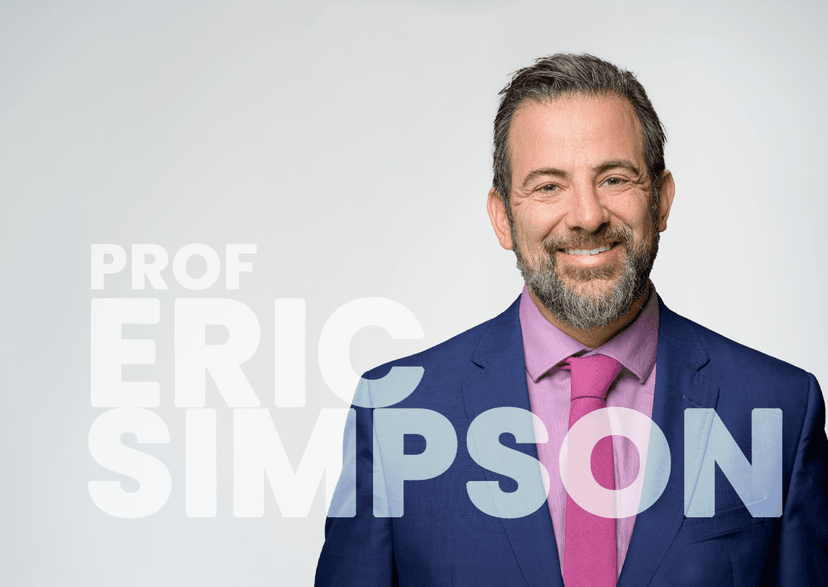
Both Clinical and Subclinical Disease Control Are Important to Achieve Disease Modification in AD
In this soundbite video from the April 2025 ADVENT Forum in Lisbon, Portugal, Dr. Eric Simpson explains how both clinical and subclinical disease control are critical for achieving true disease modification in atopic dermatitis, emphasizing the role of biomarkers in predicting long-term outcomes and guiding treatment decisions.
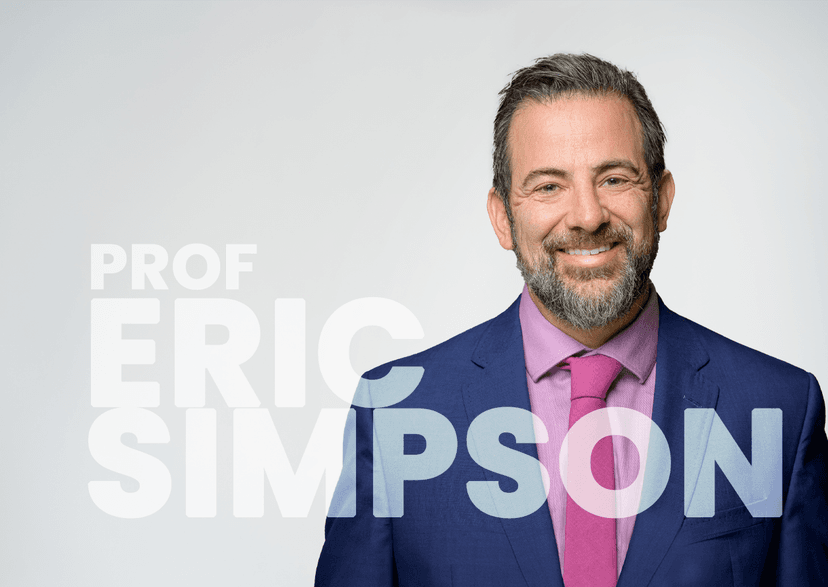
Considerations for Disease Modification in AD
In this highlight video from the September 2024 ADVENT symposium at EADV’s Annual Meeting in Amsterdam, the Netherlands, Dr. Eric Simpson explores potential considerations when discussing the concept of disease modification and how early intervention might be disease modifying in AD.

How the Understanding of PN has Evolved?
Dr Kwatra poses the question: How do we assess disease modification in PN, and can treating early stop tissue damage and worsening of systemic diseases associated with PN?

Exploring the Potential Disease-Modifying Approaches in AD
Explore the concept of disease modification in atopic dermatitis through this interactive infographic, which highlights potential considerations such as optimal sustained disease control, subclinical inflammation, the pathophysiology of AD, and atopic/non-atopic comorbidities.
The Benefits of Early Intervention in AD: More Than Skin Deep
Many AD treatment goals focus on clinical manifestations, so that if a patient is free of lesions, their disease is considered well controlled. However, the inflammatory process underlying AD reaches far beyond the skin, affecting patients in unique ways at different stages of their lives. Education on the importance of treating AD beyond the skin and altering the treatment approach to fit the individual patient will help improve clinical management and reduce long-term patient burden.
