209 search results for: burden of disease
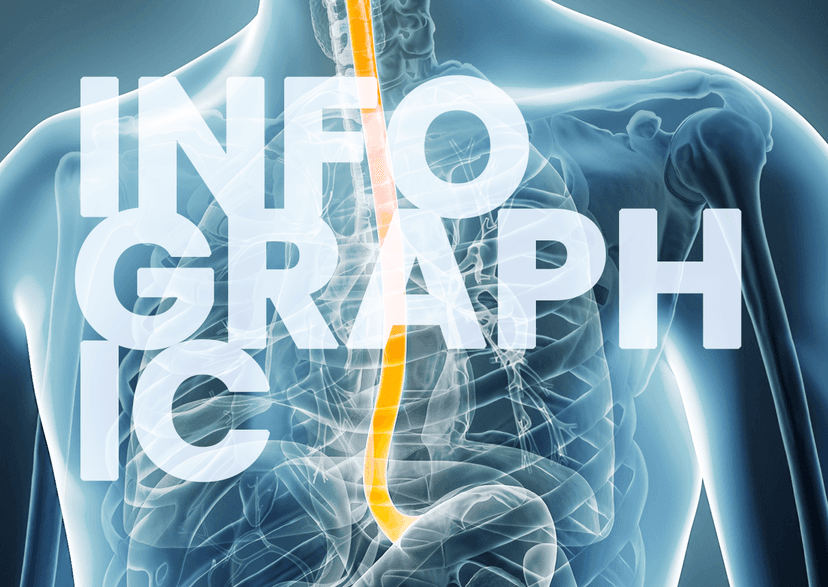
Importance of Monitoring and Maintenance in EoE
Learn about patient concerns in EoE and the benefits of adequate monitoring and effective maintenance therapy on disease control and QoL

ERS-ISIAN 2025 | Type 2 Inflammation: Links with Severe/Uncontrolled CRSwNP
Prof. Vibeke Backer provides an insightful presentation on the association of type 2 inflammation and the pathogenesis and management of severe and uncontrolled CRSwNP.
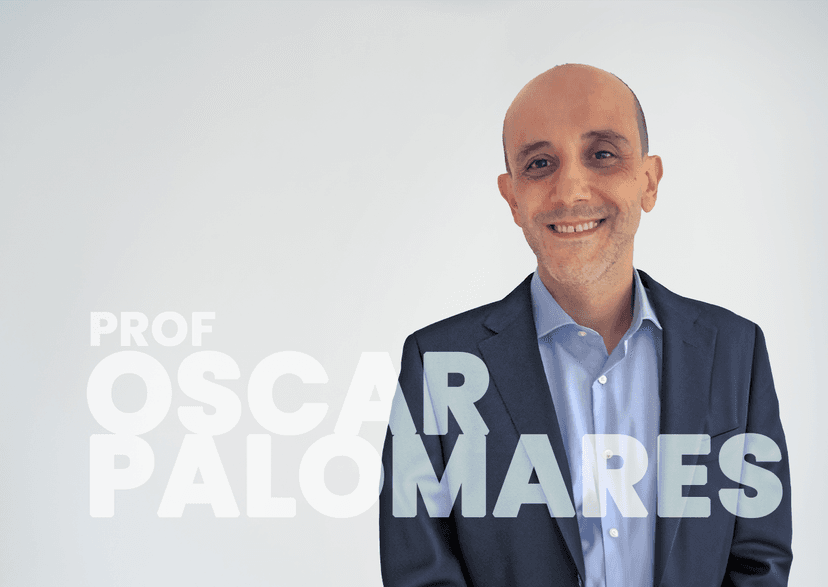
Type 2 Inflammatory Diseases Can Negatively Impact Patients and Their Caregivers
In this soundbite video from the April 2025 ADVENT Forum in Lisbon, Portugal, Prof Oscar Palomares highlights the substantial impact of type 2 inflammatory diseases on the quality of life of patients and their caregivers.
World Anosmia Day 2026
Join the effort to improve CRSwNP care. World Anosmia Day serves as an opportunity to raise awareness about the loss of the sense of smell. Access some of countless educational resources with ADVENT below.
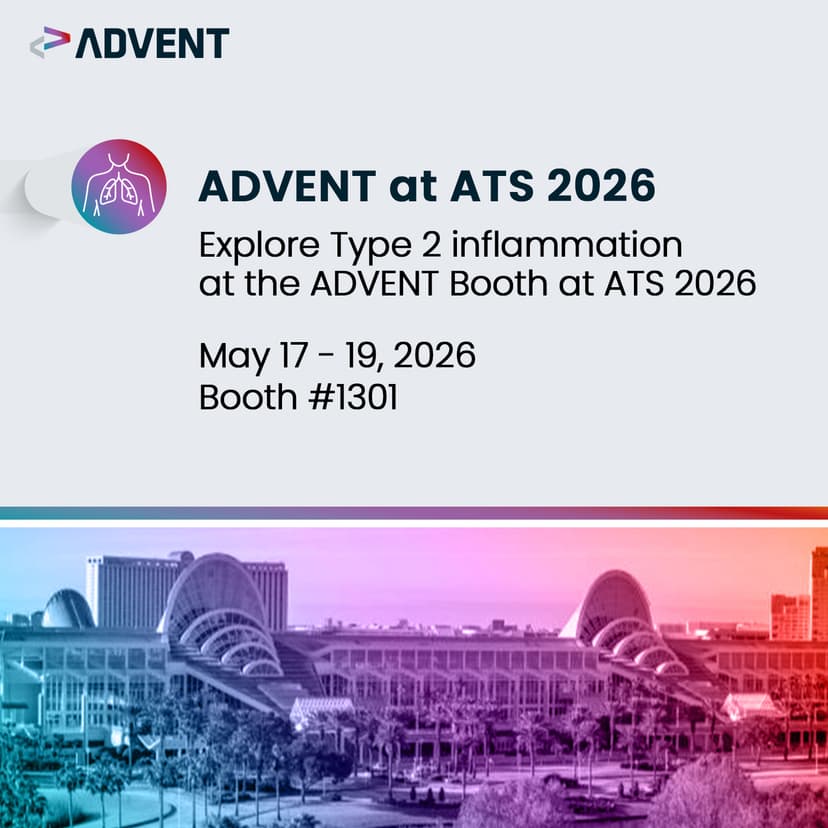
ADVENT at ATS 2026
At ATS 2026, the Sanofi & Regeneron ADVENT Booth brings together interactive experiences and educational resources to explore Type 2 inflammation as a key feature underlying both asthma and COPD.
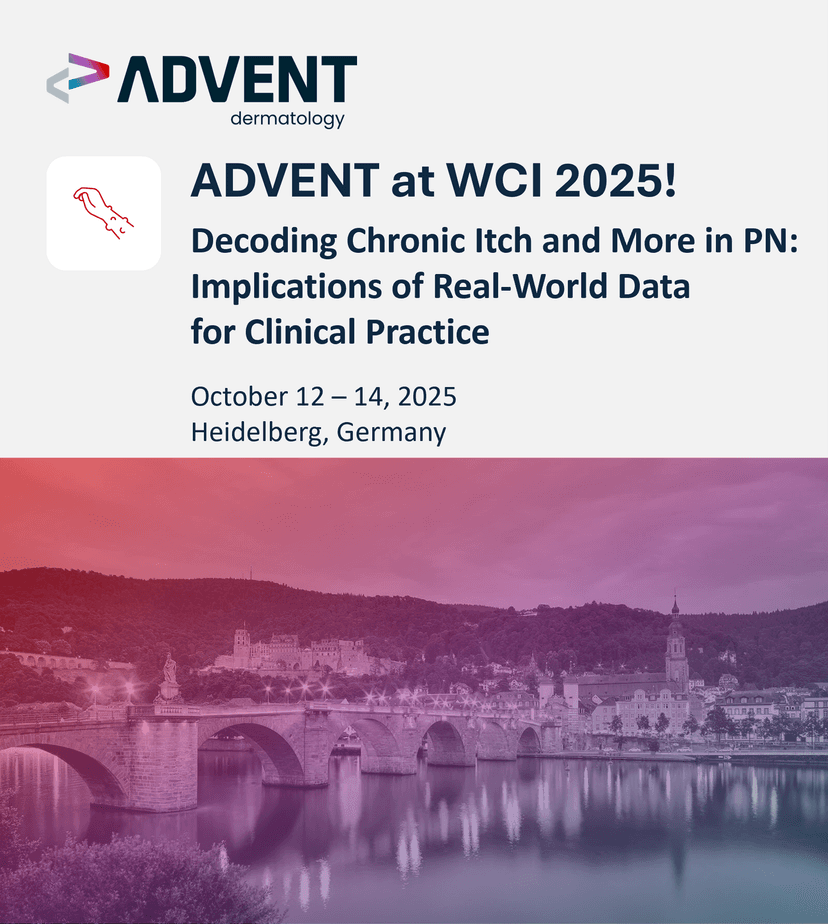
Decoding Chronic Itch and More in PN: Implications of Real-World Data for Clinical Practice
Join Professors Matthias Augustin and Sarina Elmariah for an engaging ADVENT symposium as they explore the pivotal role of type 2 inflammation in prurigo nodularis and chronic itch.

Managing the Risk of Fibrostenosis in EoE
Hear from Drs. Jason Lee, Kathryn Peterson, Seema Aceves, and Ikuo Hirano on disease progression and the importance of managing fibrostenotic risk in EoE.

Pediatric EoE: An Interactive Learning Symposium
Professors Oliva and Hӧrning explore the journey of pediatric patients with EoE through diagnosis, disease progression, and treatment.
CRSwNP Triathlon: An Interactive Learning Experience
Embark on this interactive triathlon challenge to uncover the interplay of type 2 inflammation, barrier dysfunction, and neuroimmune dysregulation in the disease pathology of CRSwNP.
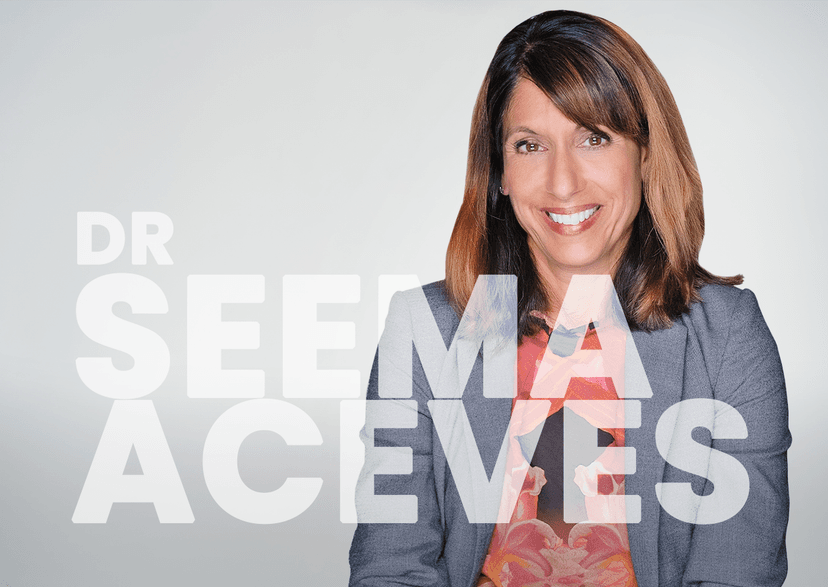
Interplay of Barrier Dysfunction and Type 2 Inflammation in EoE
Learn from Prof. Seema Aceves about the interconnectivity of type 2 inflammation and barrier dysfunction in mediating EoE pathophysiology.
