55 search results for: symposium
ADVENT at WCPD 2025
The ADVENT symposium at the 15th World Congress of Pediatric Dermatology (WCPD) will focus on discussions around disease modification in atopic dermatitis (AD) in three main topic areas: restoring the skin barrier, reducing non-atopic comorbidities, and stopping the atopic march in pediatric patients with AD aged 6 months to 11 years.

Identification and Management of AD Uncontrolled With Topical Therapies in Children
In this expert interview video focusing on topics from the October 2024 ADVENT symposium at EAPS in Vienna, Austria, Dr Perla Lansang discusses how to identify pediatric patients with AD uncontrolled with topical therapies, considerations for the next step in care for these patients, and the potential benefits of early intervention with systemic treatment
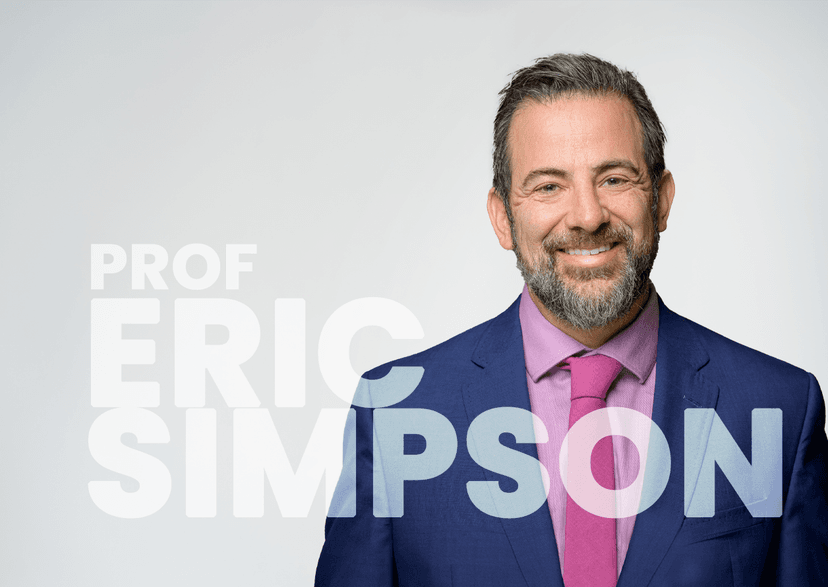
How Does Protective Type 2 Immunity Become Harmful Type 2 Inflammation?
In this video from the March 2025 ADVENT symposium in Orlando, Florida, Dr. Eric Simpson discusses how protective type 2 immunity can become dysregulated, leading to harmful type 2 inflammation. The associated inflammatory process can contribute to the pathophysiology of several dermatological diseases, including AD, PN, CSU, and BP.

What Went Wrong? How Dysregulated Type 2 Immunity Contributes to AD, PN, CSU, and BP
The March 2025 ADVENT symposium in Orlando, Florida brought together 4 dermatology experts to explore the evolving science of type 2 inflammation. Type 2 inflammation plays a central role in the pathophysiology of multiple dermatological diseases, driving chronic immune dysregulation that affects patients with atopic dermatitis (AD) prurigo nodularis (PN), chronic spontaneous urticaria (CSU) and bullous pemphigoid (BP). Understanding the mechanisms behind type 2 inflammation is key to advancing care and improving patient quality of life.
ADVENT in Orlando, 2025
Type 2 inflammation contributes to many dermatologic diseases, which may lead to potentially life-changing burdens and challenges to patients and caregivers. By uncovering the role of type 2 inflammation in the pathophysiology of AD, PN, CSU, and BP, we can move forward in our understanding of each disease. Join global experts for an educational symposium on March 8th that will uncover the role of type 2 inflammation in the pathophysiology of AD, PN, CSU, and BP and explore questions driving current research in each disease.
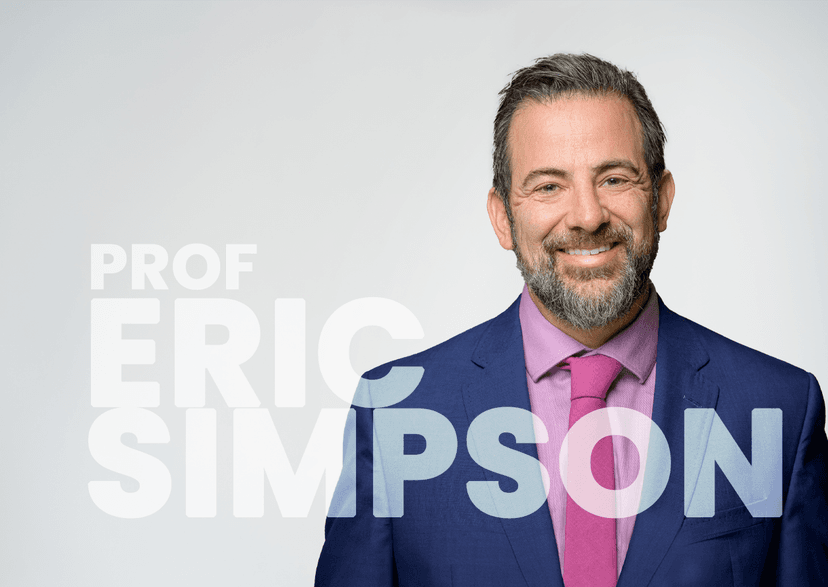
Under the Itchy Surface: The Insidious, Cumulative Burden of Type 2 Inflammation in AD
In this video from the March 2025 ADVENT symposium in Orlando, Florida, Dr. Eric Simpson discusses the systemic nature of atopic dermatitis (AD) and how the disease burden extends beyond the skin. Through the lens of cumulative life course impairment, Dr. Simpson goes on to explore how persistent type 2 inflammation in AD may drive both atopic and nonatopic comorbidities, emphasizing the potential importance of early and effective therapeutic intervention to alter disease progression
EAACI 2024 | On-Treatment Clinical Remission in Upper and Lower Airways: Going Beyond Symptom Control
Join experts G. Walter Canonica, Vibeke Backer, and Joaquim Mullol for an educational symposium on elevating treatment goals from control to remission in the upper and lower airways.

On the Surface: Restoring the Skin Barrier in Patients with AD
In this clip from the April WCPD 2025 symposium, Dr Amy Paller highlights CCL17 (TARC) as an important biomarker in AD.
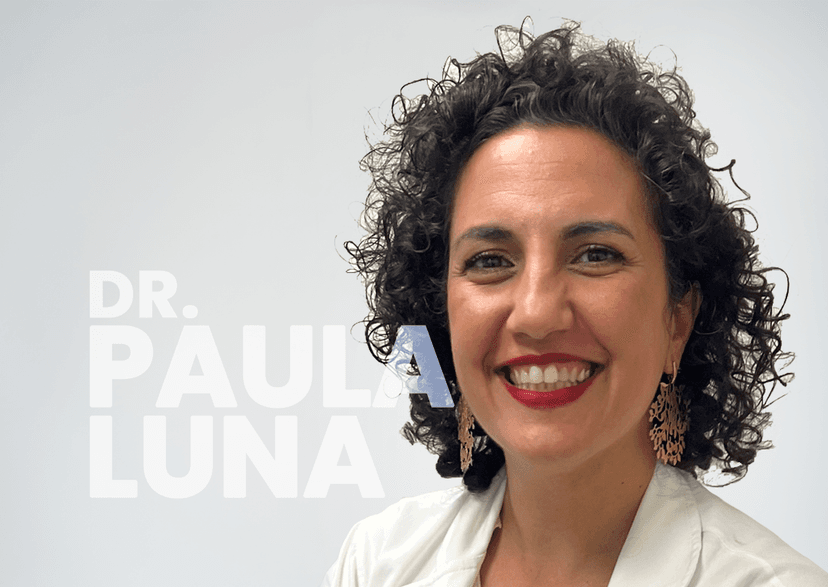
Digging Deeper: Reducing Non-Atopic Comorbidities and Multidimensional Disease Burden
In this clip from the April WCPD 2025 symposium, Dr Paula Luna discusses how moderate-to-severe AD may hinder growth in pediatric patients.
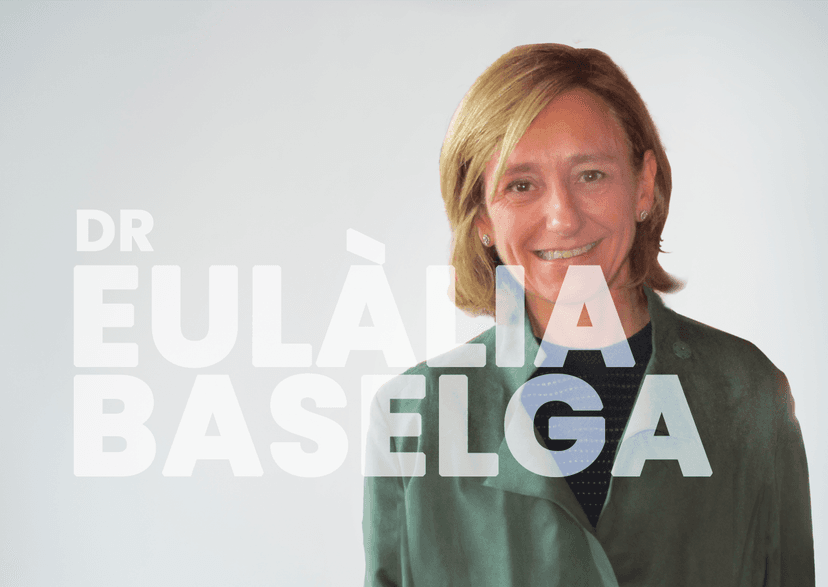
Charting the Future: Preventing the Atopic March
In this clip from the April WCPD 2025 symposium, Dr Eulàlia Baselga discusses data identifying atopic dermatitis as the first diagnosed atopic disease and the start of the atopic march.
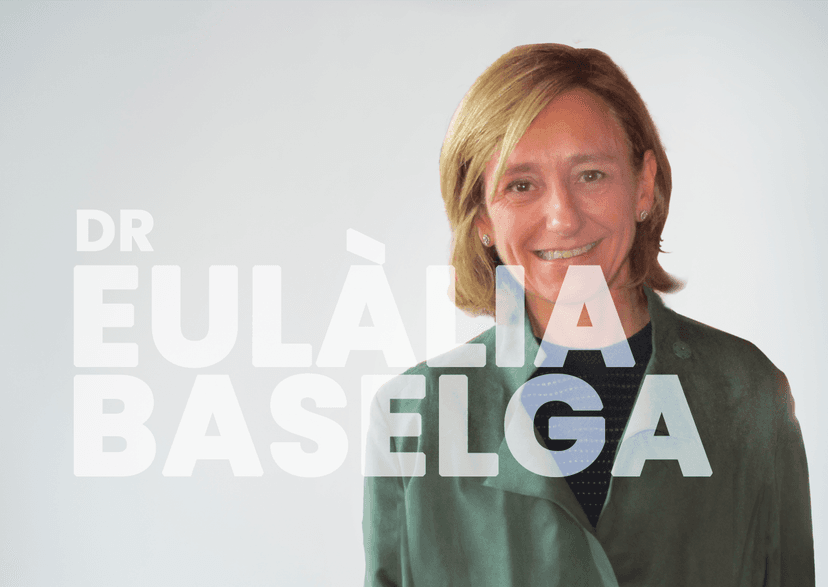
Charting the Future: Preventing the Atopic March
In this clip from the April WCPD 2025 symposium, Dr Eulàlia Baselga highlights the multidimensional burden of uncontrolled AD and how the various burdens contribute to Cumulative Life Course Impairment (CLCI).

ERS-ISIAN 2025 | Type 2 Inflammation and Disease Control in CRSwNP: Current Perspectives and Future Directions
The ERS-ISIAN 2025 symposium, featuring Prof. Vibeke Backer and Prof. Sietze Reitsma, titled "Type 2 Inflammation and Disease Control in CRSwNP: Current Perspectives and Future Directions," will delve into the complexities of the role of type 2 inflammation in CRSwNP.