48 search results for: coexisting diseases
A Tale of Two Itches: Bridging the Gap With Type 2 Inflammation in PN and CSU
Join Drs. Elmariah, Kim, and Metz as they explore the latest research on neuro-immune mechanisms driving chronic itch and inflammation in PN and CSU.
ADVENT at San Diego, 2024
Two educational symposia at San Diego, 2024, explore the role of type 2 inflammation and the related manifestations in atopic dermatitis, prurigo nodularis, and chronic spontaneous urticaria.

ADVENT On Air | Back Again: Predicting Recurrence in Chronic Rhinosinusitis with Nasal Polyps
Learn from Drs. Buchheit and Wagenmann as they discuss key patient traits that predict disease recurrence in CRSwNP.
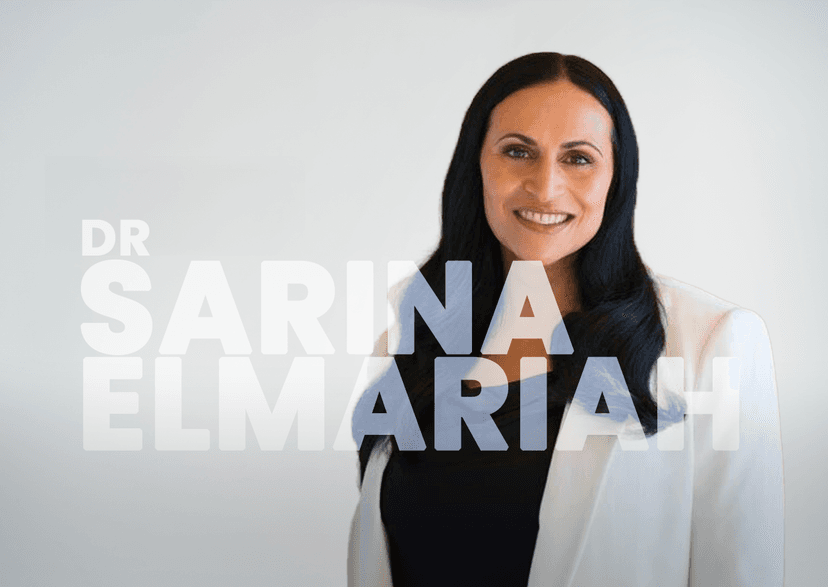
Patients With Prurigo Nodularis Have a High Prevalence of Atopic and Non-Atopic Comorbidities
Listen as Dr. Sarina Elmariah explores the comorbidities associated with prurigo nodularis.
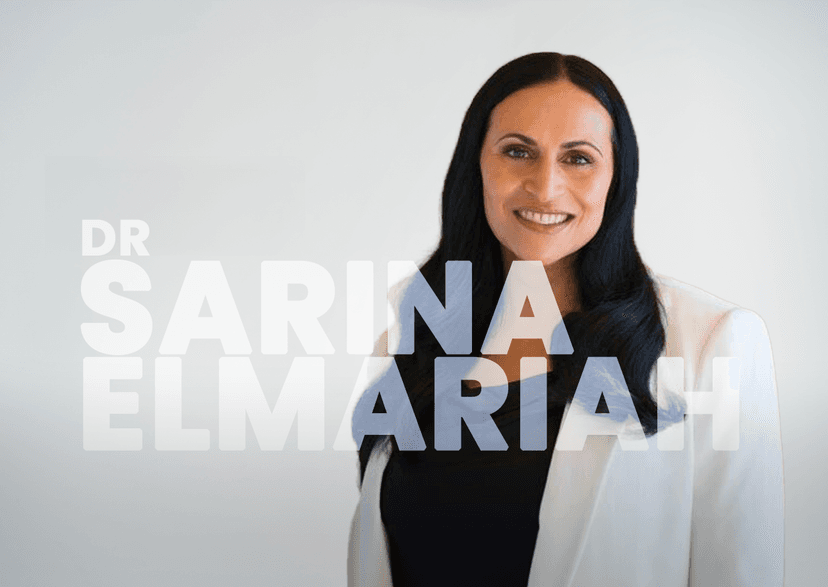
Prurigo Nodularis Is a Challenging Diagnosis
Join Dr. Sarina Elmariah as she discusses the challenges in diagnosing prurigo nodularis.
Charting the Future: Preventing the Atopic March
In this clip from the April WCPD 2025 symposium, Dr Eulàlia Baselga discusses data identifying atopic dermatitis as the first diagnosed atopic disease and the start of the atopic march.

IL-4 Is the Primary Cytokine That Drives Th2 Cell Polarization and Amplifies Type 2 Inflammation
In this soundbite video from the April 2025 ADVENT Forum in Lisbon, Portugal, Prof Oscar Palomares describes how IL-4 is the key cytokine involved in the initiation and perpetuation of Th2 cell responses and type 2 inflammation.

Type 2 Inflammatory Disease: What Are the Mechanisms that Contribute to the Development of Other Atopic Comorbidities?
In this soundbite video from the April 2025 ADVENT Forum in Lisbon, Portugal, Prof. Oscar Palomares explains how type 2 inflammation and barrier dysfunction contribute to the development of atopic comorbidities and increased susceptibility to infections.

Type 2 Inflammation Is a Driving Factor for Atopic Dermatitis and Related Comorbidities
Dr. Lawrence Eichenfield describes the pathophysiology of atopic dermatitis and how type 2 inflammation may sensitize patients to atopic comorbidities.

Beyond Clinical Control: Targeting Type 2 Inflammation for Improved Patient Outcomes
Prof Alan Irvine presents the latest clinical and real-world evidence supporting the potential for disease modification in atopic dermatitis, at EADV 2025.

Can Therapy-Free Disease Control Be Achieved in Atopic Dermatitis?
In this soundbite video from the April 2025 ADVENT Forum in Lisbon, Portugal, Prof. Amy Paller reviews a Japanese study showing that early proactive treatment of infant atopic dermatitis with topical corticosteroids reduced the incidence of food allergy but was also associated with decreased gains in height and weight.

Type 2 Inflammation: Links With Severe Uncontrolled CRSwNP
In this video soundbite from the ERS-ISIAN 2025 symposium, Dr. Vibeke Backer discusses how Type 2 inflammation drives severe, uncontrolled CRSwNP. It covers key immune cells and biomarkers (e.g., IL-4, IL-5, IL-13, TSLP), global prevalence differences, and the importance of symptom tracking and targeted therapies.
