8 search results for: real-world data
Emerging Data on Advanced Systemic Treatments for Children With AD
This video from the May 2024 ADVENT symposium at ESPD’s Annual Meeting in Košice, Slovakia features Dr. Eulàlia Baselga reviewing the systemic treatment landscape for children under 12 years of age with AD in the EU. Dr. Baselga also discusses the latest clinical data on the use of baricitinib in pediatric patients aged 2 to 17 years, and both clinical and real-world data on the efficacy and safety of dupilumab in pediatric patients with AD aged as young as 6 months.

Is 1 year an appropriate timeframe for deciding if a patient has achieved remission in CRSwNP?
Prof. Hellings and Prof. Corso explore the time frame to assess if the patient with CRSwNP has achieved remission
IFOS 2023 | Type 2 Inflammation and Clinically Relevant Improvements in CRSwNP
Dr. Stella Lee and Profs. Peter Hellings and Wytske Fokkens discuss type 2 inflammation, partnering with patients to improve outcomes, and real-world data on biologic effectiveness in CRSwNP.
ESPD 2024 | Atopic Dermatitis in Children: Can Early Therapeutic Intervention Shape Disease Course?
This symposium illustrated the ways type 2inflammation contributes to atopic dermatitis (AD) disease pathogenesis within and beyond the skin, discussed the importance of early intervention in children with AD, and explored the potential for disease modification. The program concluded with a review of the latest clinical and real-world data on advanced systemic treatments for children with AD.
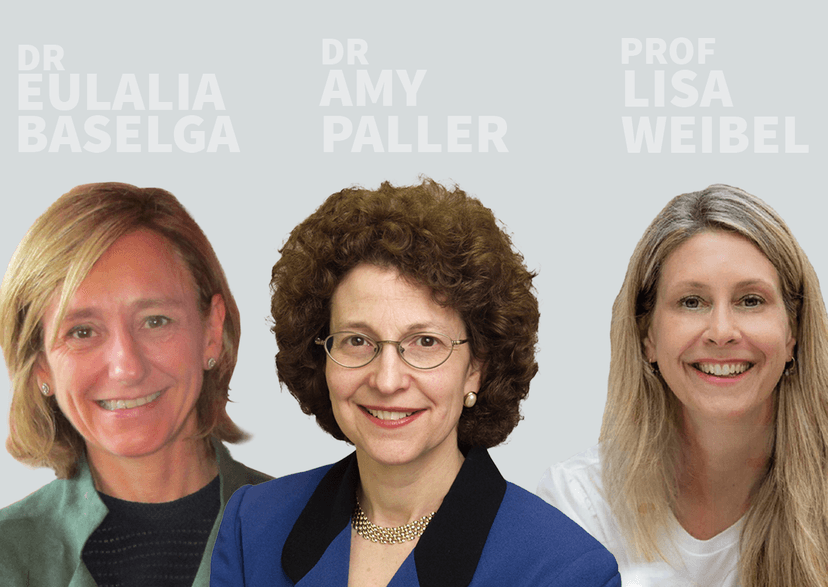
Atopic Dermatitis in Children: Can Early Therapeutic Intervention Shape Disease Course?
This video presentation of the May 2024 ADVENT symposium at ESPD’s Annual Meeting in Košice, Slovakia features Dr. Eulàlia Baselga, Dr. Amy Paller, and Prof. Lisa Weibel. The faculty investigate the inflammatory processes driven by type 2 cytokines that lead to the local and systemic clinical effects of AD, the potential benefits of treating children with AD early in the disease course, and the emerging clinical and real-world data on the use of advanced systemic treatments for children with AD.

Early Intervention and Disease Modification in AD: Can We Change the Course of the Disease?
This video presentation of the September 2024 ADVENT symposium at EADV’s Annual Meeting in Amsterdam, the Netherlands features Dr. Stephan Weidinger, Dr. Eric Simpson, and Dr. Marjolein de Bruin-Weller. The faculty investigate the inflammatory processes driven by type 2 cytokines that lead to the local and systemic clinical effects of AD, the potential benefits of treating patients with AD early in the disease course, and the emerging real-world data on the use of advanced systemic therapies for patients with AD.

Early Intervention and Disease Modification in AD: Can We Change the Course of the Disease?
Highlights from the ADVENT educational symposium at EADV 2024 where Professors Eric Simpson, Stephan Weidinger, and Marjolein de Bruin-Weller explored the local and systemic effects of type 2 inflammation in AD and potential benefits of early intervention with regard to disease modification.
European Society for Pediatric Dermatology (ESPD) 2024 | Košice, Slovakia
Inflammatory processes drive AD both within and beyond the skin, leading to significant, cumulative life impacts. Early intervention has the potential to mitigate these impacts by altering the disease course.
