132 search results for: Burden of Disease

Decoding Chronic Itch and More in PN: Implications of Real-World Data for Clinical Practice
This symposium highlights type 2 inflammation as a key driver of chronic itch and the characteristic skin lesions of prurigo nodularis and evaluates the real-world implications of targeted therapies on clinical practice.

Eosinophils: A Biomarker in COPD
Learn how to identify chronic obstructive pulmonary disease (COPD) patients with type 2 inflammation using blood eosinophil (EOS) levels, understand the associated risks, and recognize factors that may influence EOS counts.

How the Understanding of PN has Evolved?
Dr Kwatra poses the question: How do we assess disease modification in PN, and can treating early stop tissue damage and worsening of systemic diseases associated with PN?
ERS-ISIAN 2025 | Treatable Traits in CRSwNP
Join Prof. Sietze Reitsma for an insightful presentation that will delve into identifying and leveraging key characteristics to optimize patient management and treatment outcomes.
The Chronic Nature of CSU: Understanding Disease Duration and Persistence
Dr. Elena Netchiporouk discusses the chronic nature of CSU at EADV 2025.

CRSwNP Interactive Patient Case Tool
Meet Fernando. Journey through his clinical profile, applying guideline-based checklists to reach a consensus regarding his diagnosis.
Cumulative Impact of Uncontrolled Atopic Dermatitis: Skin Inflammation as the Tip of the Iceberg
Prof Jean-David Bouaziz describes the multifaceted burden of atopic dermatitis, beyond what can be seen on the skin, at EADV 2025.
Beyond the Skin: Understanding Systemic Comorbidities in Prurigo Nodularis
Professor Matthias Augustin highlights the high prevalence of both atopic and non-atopic comorbidities in patients with PN, including increased risks of cardiovascular events and all-cause mortality.
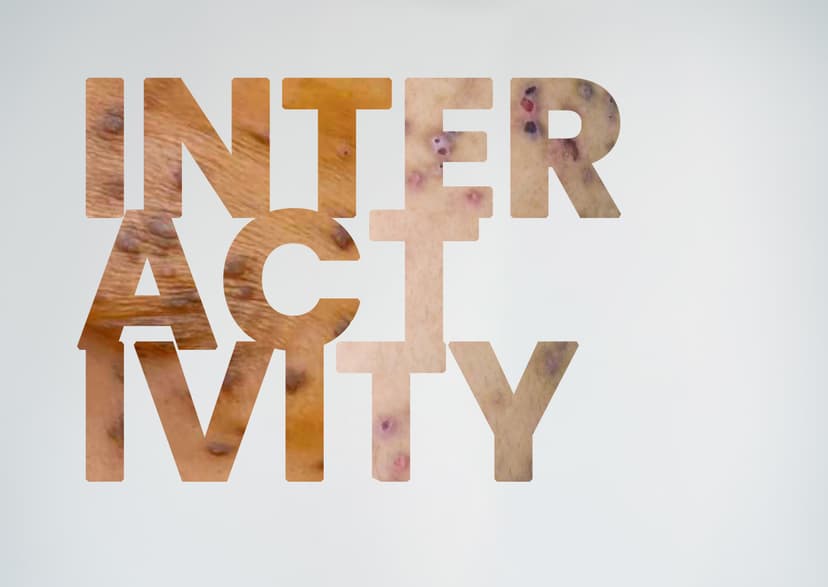
Skin Dyspigmentation In Prurigo Nodularis (PN)
This infographic illustrates the clinical manifestations, pathophysiology and impact on patients of skin dyspigmentation in Prurigo Nodularis.
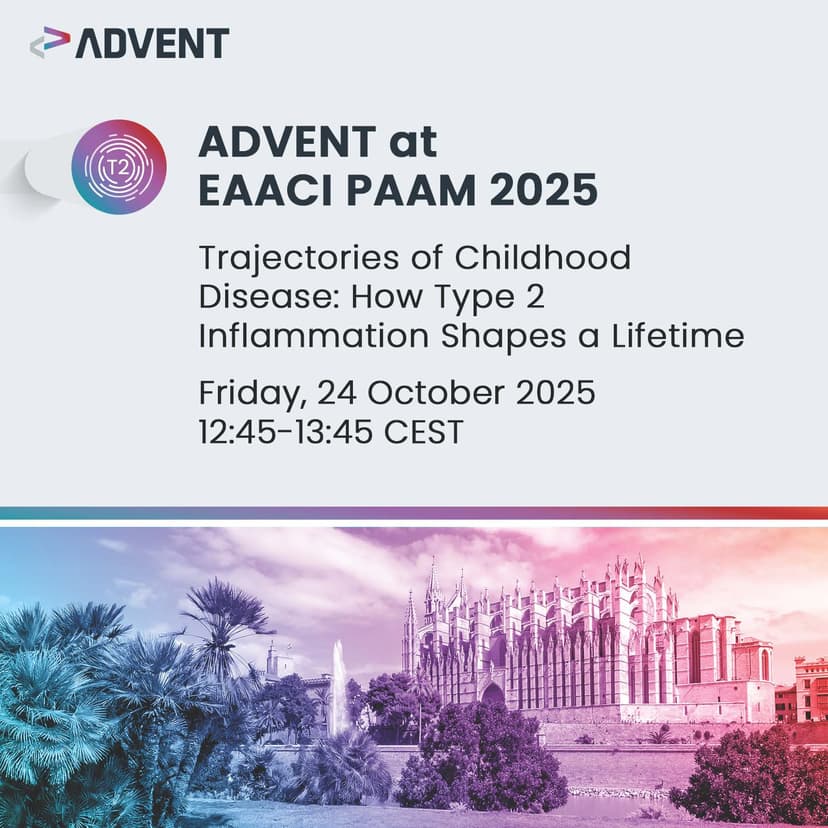
ADVENT at EAACI PAAM 2025
Join Sanofi and Regeneron for an educational symposium on type 2 inflammation processes underlying pediatric asthma, atopic dermatitis, and eosinophilic esophagitis.

Mucus Plugging Is a Key Component of Remodeling in Asthma, Leading to Fixed Airway Obstruction
Learn about the role of type 2 inflammation in the burden and pathophysiology of mucus plugging in severe asthma
