93 search results for: chronic inflammation
ADVENT at San Diego, 2024
Two educational symposia at San Diego, 2024, explore the role of type 2 inflammation and the related manifestations in atopic dermatitis, prurigo nodularis, and chronic spontaneous urticaria.

What Went Wrong? How Dysregulated Type 2 Immunity Contributes to AD, PN, CSU, and BP
The March 2025 ADVENT symposium in Orlando, Florida brought together 4 dermatology experts to explore the evolving science of type 2 inflammation. Type 2 inflammation plays a central role in the pathophysiology of multiple dermatological diseases, driving chronic immune dysregulation that affects patients with atopic dermatitis (AD) prurigo nodularis (PN), chronic spontaneous urticaria (CSU) and bullous pemphigoid (BP). Understanding the mechanisms behind type 2 inflammation is key to advancing care and improving patient quality of life.
Phenotypes and Endotypes of COPD
Dr Henrik Watz discusses the two main COPD phenotypes: emphysema-predominant and bronchitis-predominant, detectable via clinical assessment and CT imaging.
Beyond Itch: The Multifaceted Role of IL-4/IL-13 in the Pathogenesis of PN
Professor Sarina Elmariah describes how IL-4 and IL-13, key drivers of type 2 inflammation, uniquely contribute to manifestations of prurigo nodularis beyond itch.

Decoding the Clinical Puzzle: Navigating Diagnostic Complexity Across Inflammatory Skin Diseases
Dr Sarina Elmariah highlights the clinical challenges in diagnosing inflammatory skin diseases, using prurigo nodularis as a case study. Drs Culton, Eichenfield, and Hawkes then join in to discuss additional challenges and complexities when diagnosing other skin diseases.

The Role of IL-4 and IL-13 in CSU Pathogenesis
Dive into the complex pathophysiology of chronic spontaneous urticaria (CSU), where mast cell degranulation drives the hallmark signs and symptoms. This interactive infographic elucidates how key type 2 cytokines, specifically IL-4 and IL-13, contribute to mast cell activation, immune cell trafficking into the skin, and neuronal sensitization in CSU, which ultimately leads to the release of mediators like histamine that cause wheals, angioedema, and itch.
Role of Type 2 Inflammation in Skin Barrier Disruption and Itch
In this highlight video from the October 2024 ADVENT symposium at EAPS in Vienna, Austria, Dr Christine Bangert discusses how type 2 inflammation contributes to epidermal barrier dysfunction and chronic itch in AD
Type 2 Inflammation Within Skin Tissue in AD
In this highlight video from the September 2024 ADVENT symposium at EADV’s Annual Meeting in Amsterdam, the Netherlands, Dr. Stephan Weidinger discusses how type 2 inflammation contributes to epidermal barrier dysfunction, perivascular infiltration and plasma protein leakage, and chronic itch in AD.

The Role of IL-4 and IL-13 in the Pathophysiology of CSU
Dr. Jason Hawkes details the role of IL-4 and IL-13 in the pathophysiology of CSU at EADV 2025
ADVENT On Air | Expert Discussions in Dermatology
Listen to the latest updates in type 2 inflammatory science and associated skin diseases, brought to you by leading dermatology experts in the field. ADVENT On Air podcasts feature scientific conversations that explore new research into the pathophysiology, clinical features, and disease burden for a range of dermatological diseases linked to type 2 inflammation, including atopic dermatitis (AD) and prurigo nodularis (PN). Hear new insights revealed through expert-led conversations below or in your preferred podcast app.


The Pathophysiology of Prurigo Nodularis
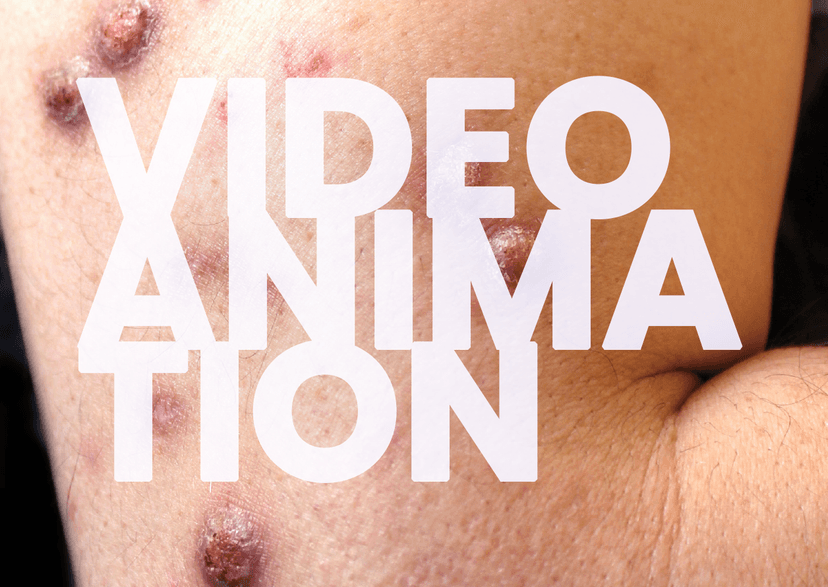
An infographic exploring the pathophysiology of prurigo nodularis and the role of type 2 inflammation.
