32 search results for: biomarkers
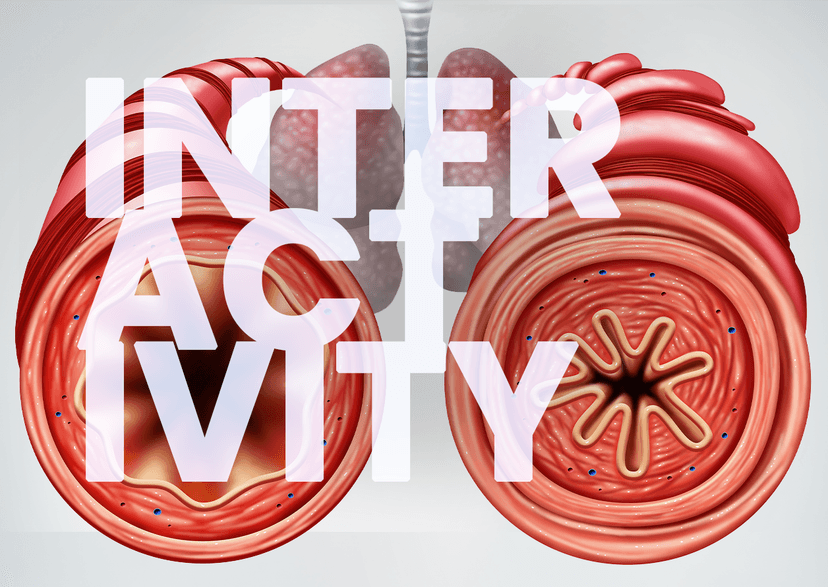
Airway Hyperresponsiveness In Asthma Is Mainly Driven By Components Of Type 2 Inflammation
Examine underlying type 2 inflammation as a driver of airway hyperresponsiveness in patients with asthma.
Airway Hyperresponsiveness In Asthma Is Mainly Driven By Components Of Type 2 Inflammation
Examine underlying type 2 inflammation as a driver of airway hyperresponsiveness in patients with asthma.

Eosinophils: A Biomarker in COPD
Learn how to identify chronic obstructive pulmonary disease (COPD) patients with type 2 inflammation using blood eosinophil (EOS) levels, understand the associated risks, and recognize factors that may influence EOS counts.

Adult Asthma Interactive Patient Cases
Explore 3 hypothetical patient cases using guideline-based checklists for assessment and diagnosis of type 2 inflammation in adult asthma

Why Is It Important to Assess Lung Function in Pediatric Asthma?
Learn about FEV1pp and the downstream effects of lung function decline in children with severe asthma.

Exploring the Potential Disease-Modifying Approaches in AD
Explore the concept of disease modification in atopic dermatitis through this interactive infographic, which highlights potential considerations such as optimal sustained disease control, subclinical inflammation, the pathophysiology of AD, and atopic/non-atopic comorbidities.

Pediatric Asthma Patient Case Tool: Ash
Review a patient case to learn more about identifying uncontrolled asthma and type 2 inflammation in pediatric patients

ADVENT at EADV 2025
Join leading dermatologists for educational symposia on atopic dermatitis, bullous pemphigoid, and chronic spontaneous urticaria at the EADV congress in Paris, France.
