22 search results for: disease modification
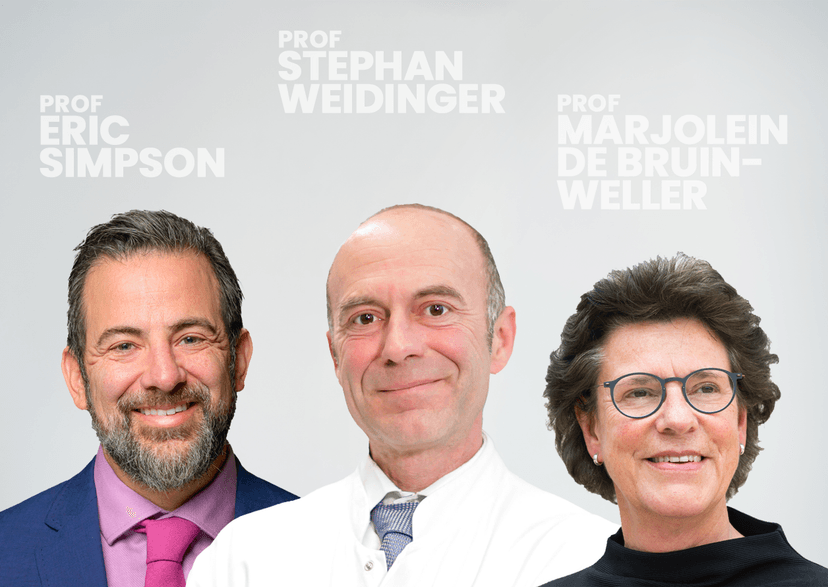
Early Intervention and Disease Modification in AD: Can We Change the Course of the Disease?
This video presentation of the September 2024 ADVENT symposium at EADV’s Annual Meeting in Amsterdam, the Netherlands features Dr. Stephan Weidinger, Dr. Eric Simpson, and Dr. Marjolein de Bruin-Weller. The faculty investigate the inflammatory processes driven by type 2 cytokines that lead to the local and systemic clinical effects of AD, the potential benefits of treating patients with AD early in the disease course, and the emerging real-world data on the use of advanced systemic therapies for patients with AD.

Exploring the Potential Disease-Modifying Approaches in AD
Explore the concept of disease modification in atopic dermatitis through this interactive infographic, which highlights potential considerations such as optimal sustained disease control, subclinical inflammation, the pathophysiology of AD, and atopic/non-atopic comorbidities.
The Benefits of Early Intervention in AD: More Than Skin Deep
Many AD treatment goals focus on clinical manifestations, so that if a patient is free of lesions, their disease is considered well controlled. However, the inflammatory process underlying AD reaches far beyond the skin, affecting patients in unique ways at different stages of their lives. Education on the importance of treating AD beyond the skin and altering the treatment approach to fit the individual patient will help improve clinical management and reduce long-term patient burden.
ADVENT On Air | Expert Discussions in Dermatology
Listen to the latest updates in type 2 inflammatory science and associated skin diseases, brought to you by leading dermatology experts in the field. ADVENT On Air podcasts feature scientific conversations that explore new research into the pathophysiology, clinical features, and disease burden for a range of dermatological diseases linked to type 2 inflammation, including atopic dermatitis (AD) and prurigo nodularis (PN). Hear new insights revealed through expert-led conversations below or in your preferred podcast app.


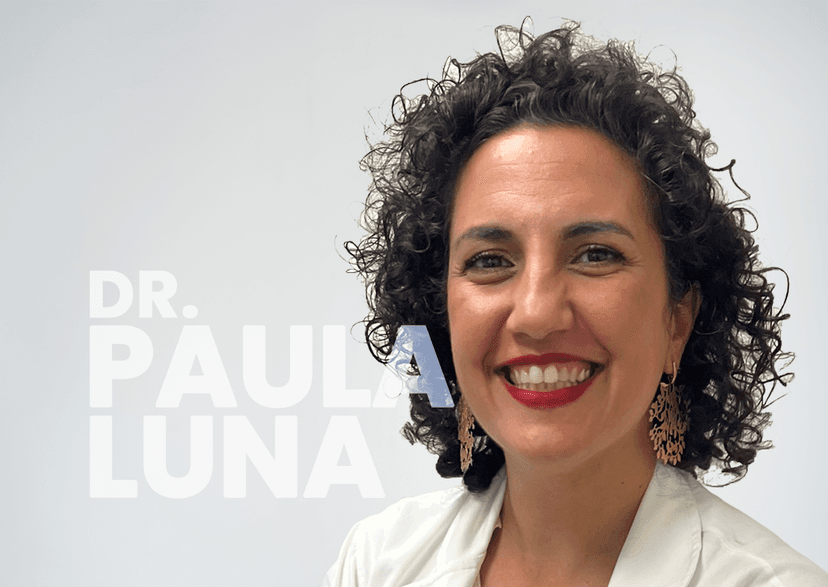
KOL Video Interview – Dr Paula Luna
In this exclusive video interview, Dr Paula Luna discusses how disease modification can be defined in AD and how IgE may be used as a biomarker in AD.
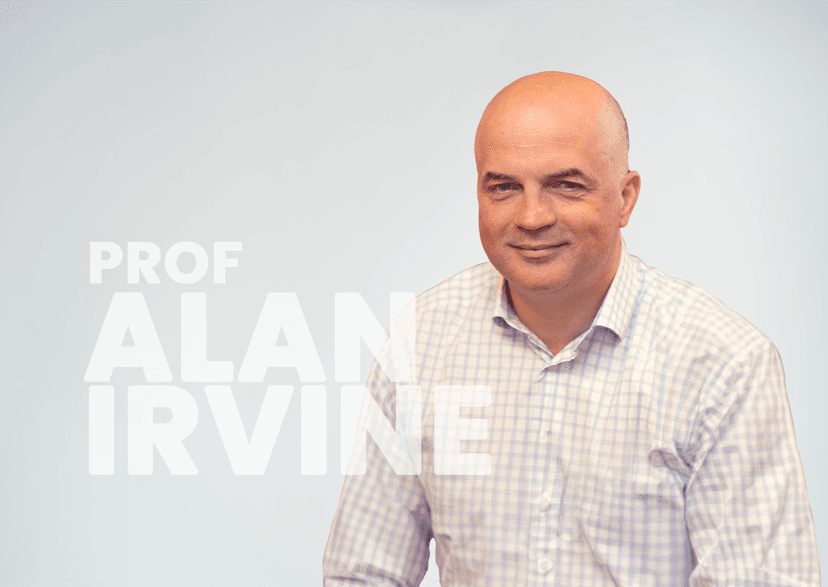
Beyond Clinical Control: Targeting Type 2 Inflammation for Improved Patient Outcomes
Prof Alan Irvine presents the latest clinical and real-world evidence supporting the potential for disease modification in atopic dermatitis, at EADV 2025.

ERS 2025 Enduring Video: Type 2 Severe Asthma “Unplugged”: Reducing Mucus to Improve Long- Term Patient Outcomes
Join Drs. Njira Lugogo, Simon Couillard, and Mario Castro for a session exploring the link between pathogenic mucus and impaired lung function in patients with moderate-to-severe asthma and the potential for disease modification with targeted therapy.
ADVENT at EADV 2025
Join leading dermatologists for educational symposia on atopic dermatitis, bullous pemphigoid, and chronic spontaneous urticaria at the EADV congress in Paris, France.
ADVENT at WCPD 2025
The ADVENT symposium at the 15th World Congress of Pediatric Dermatology (WCPD) will focus on discussions around disease modification in atopic dermatitis (AD) in three main topic areas: restoring the skin barrier, reducing non-atopic comorbidities, and stopping the atopic march in pediatric patients with AD aged 6 months to 11 years.
