15 search results for: biologics
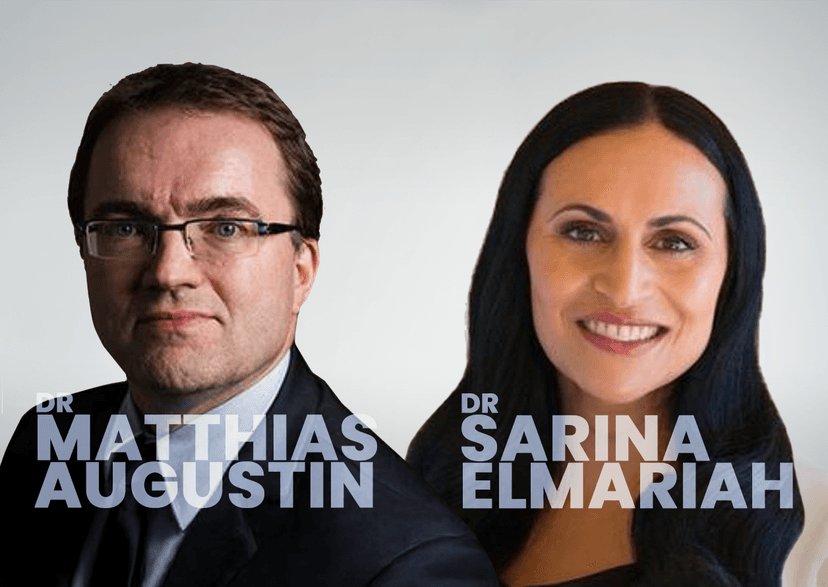
Targeted Approaches to Holistic Management of PN
Professors Matthias Augustin and Sarina Elmariah evaluate how targeted therapies transform the management of prurigo nodularis, addressing the itch-scratch cycle and broader manifestations such as lesions.
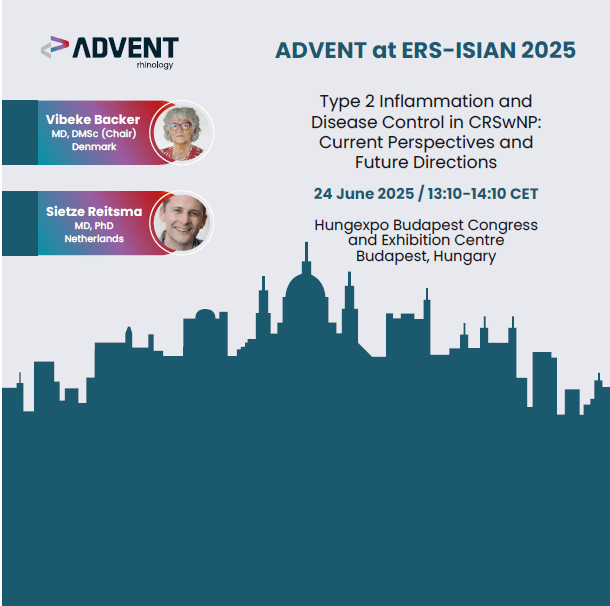
ERS-ISIAN 2025 | Type 2 Inflammation and Disease Control in CRSwNP: Current Perspectives and Future Directions
In this educational presentation, Profs. Vibeke Backer and Sietze Reitsma cover key aspects of type 2 inflammation and its role in the pathogenesis and management of CRSwNP and practical strategies for optimizing disease control and improving patient outcomes.
ADVENT On Air | Expert Discussions in Dermatology
Listen to the latest updates in type 2 inflammatory science and associated skin diseases, brought to you by leading dermatology experts in the field. ADVENT On Air podcasts feature scientific conversations that explore new research into the pathophysiology, clinical features, and disease burden for a range of dermatological diseases linked to type 2 inflammation, including atopic dermatitis (AD) and prurigo nodularis (PN). Hear new insights revealed through expert-led conversations below or in your preferred podcast app.