175 search results for: Pathophysiology
CSU is Unpredictable in its Course and Duration
Dr. Hawkes highlights how Chronic Urticaria is a mast cell centric disease with moderate levels of spontaneous remission in patients.
Immunological Drivers in CSU: Diverse Pathways to Mast Cell Activation
In this video from EADV 2025, Dr. Hawkes reviews the pathophysioogy of CSU with a focus on the role of type 2 inflammation
KOL Video Interview – Dr Amy Paller
In this exclusive video interview, Dr Amy Paller discusses two topics: 1) The importance of CCL17 (TARC) as a biomarker in pediatric patients with AD, and 2) How IL-4 and IL-13 contribute to skin barrier dysfunction in AD.
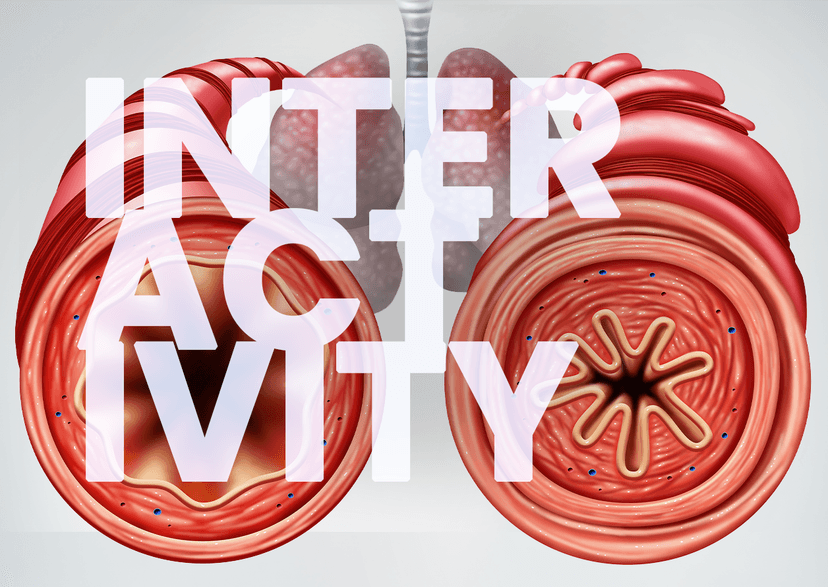
Airway Hyperresponsiveness In Asthma Is Mainly Driven By Components Of Type 2 Inflammation
Examine underlying type 2 inflammation as a driver of airway hyperresponsiveness in patients with asthma.

What Drives Chronic Itch and the Itch-Scratch Cycle in Atopic Dermatitis?
Watch this short video to learn how type 2 inflammation, skin barrier dysfunction, and neurosensitization contribute to chronic itch and the itch-scratch cycle in atopic dermatitis
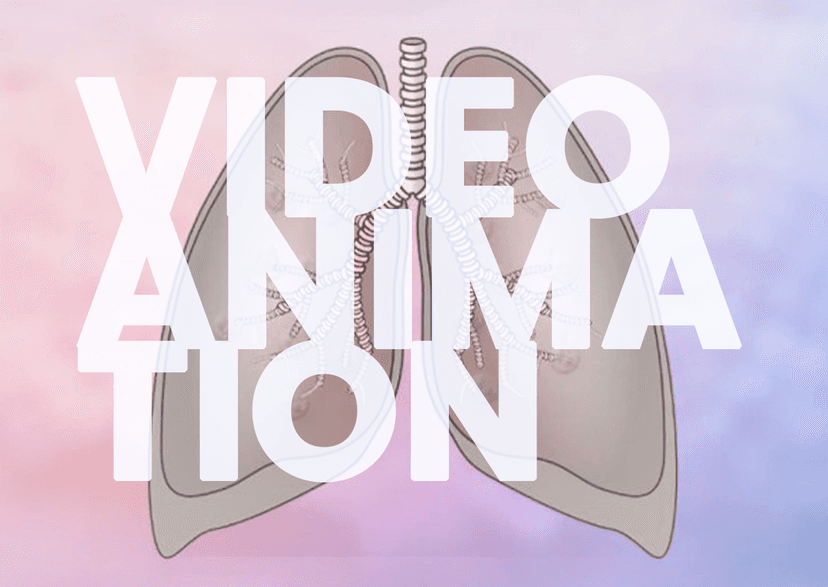
How Type 2 Inflammation Drives Eosinophils in Asthma
Explore how type 2 inflammation drives the production of eosinophils in severe asthma.
Exploring the Mechanisms of FeNO Production in the Lungs
Explore how type 2 inflammation drives the production of FeNO in severe asthma
Understanding the Contribution of IL-4 in the Development of Fibrosis in Prurigo Nodularis
Professor Sarina Elmariah highlights the multifaceted role of IL-4 and IL-13 in driving dermal fibrosis in prurigo nodularis, which leads to persistent scarring and dyspigmentation that significantly contribute to patients' embarrassment, anxiety, depression, and self-esteem.
Beyond Itch: The Multifaceted Role of IL-4/IL-13 in the Pathogenesis of PN
Professor Sarina Elmariah describes how IL-4 and IL-13, key drivers of type 2 inflammation, uniquely contribute to manifestations of prurigo nodularis beyond itch.
Itch in Chronic Inflammatory Skin Diseases: Histaminergic and Nonhistaminergic Mechanisms and Role of IL-4 as a Central Orchestrator in Promoting Neuronal Sensitization
In this soundbite video from the April 2025 ADVENT Forum in Lisbon, Portugal, Dr. Brian Kim explores the histaminergic and nonhistaminergic mechanisms of itch, highlighting how type 2 cytokines like IL-4 serve as central orchestrators of neuronal sensitization and immune–nervous system cross-talk.
In Chronic Pruritic Skin Diseases, the Neuroimmune Axis Involves Dynamic Interactions Between Type 2 Inflammation and Sensory Nerves
In this soundbite video from the April 2025 ADVENT Forum in Lisbon, Portugal, Dr. Brian Kim describes the dynamic neuroimmune interactions in chronic pruritic skin diseases, emphasizing how type 2 cytokines and sensory nerves actively influence both itch perception and tissue inflammation.
