Listen to the latest updates in type 2 inflammatory science and associated skin diseases, brought to you by leading dermatology experts in the field. ADVENT On Air podcasts feature scientific conversations that explore new research into the pathophysiology, clinical features, and disease burden for a range of dermatological diseases linked to type 2 inflammation, including atopic dermatitis (AD) and prurigo nodularis (PN). Hear new insights revealed through expert-led conversations below or in your preferred podcast app.


This infographic highlights how PN is driven by type 2 inflammation, linking immune dysregulation, fibroblast activation, and neuronal dysfunction to nodule formation. It also shows how cytokine-mediated changes in neuronal architecture increase excitability and chronic itch, where resulting lesions and scarring significantly impact patients’ psychological well-being.
Dive into the complex pathophysiology of chronic spontaneous urticaria (CSU), where mast cell degranulation drives the hallmark signs and symptoms. This interactive infographic elucidates how key type 2 cytokines, specifically IL-4 and IL-13, contribute to mast cell activation, immune cell trafficking into the skin, and neuronal sensitization in CSU, which ultimately leads to the release of mediators like histamine that cause wheals, angioedema, and itch.
An infographic describing the etiology, epidemiology, challenges in diagnosis and patient burden of CPUO.

Highlights from the ADVENT symposium at the 2023 World Congress of Dermatology in Singapore.

Associate Professor and Dermatology Director at the UCSF Centre for Itch and Neurosensory Disorders at the University of California in San Francisco, California, US

Dr. Chovatiya explains that PN is primarily a chronic itch disease with a complex pathophysiology involving neuronal changes, type 2 inflammation, and fibrotic skin processes, affecting patients' overall well-being.

Dr. Chovatiya discusses PN, emphasizing that while itch is a major symptom, the disease's burden is multi-dimensional, affecting appearance, sleep, social life, and mental health, requiring comprehensive therapeutic solutions.

Dr. Kim discusses the roles of type 2 cytokines at the neuroimmune axis in PN and CSU and conveys how neuroimmune interactions give rise to chronic itch and skin lesions in each disease

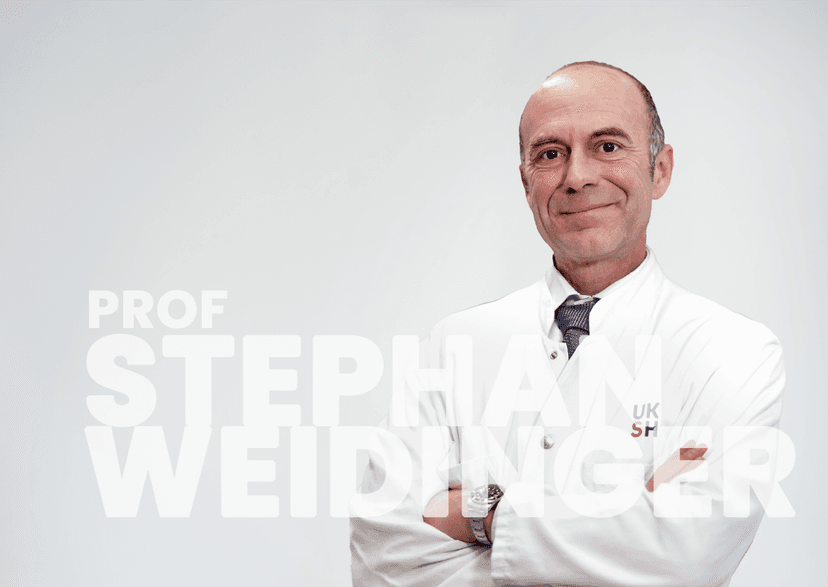
In this highlight video from the September 2024 ADVENT symposium at EADV’s Annual Meeting in Amsterdam, the Netherlands, Dr. Stephan Weidinger discusses how type 2 inflammation contributes to epidermal barrier dysfunction, perivascular infiltration and plasma protein leakage, and chronic itch in AD.

In this soundbite video from the April 2025 ADVENT Forum in Lisbon, Portugal, Dr. Brian Kim describes the dynamic neuroimmune interactions in chronic pruritic skin diseases, emphasizing how type 2 cytokines and sensory nerves actively influence both itch perception and tissue inflammation.