176 search results for: type 2 inflammation

IL-4 Contributes to Systemic Type 2 Inflammation in AD
In this highlight video from the ADVENT AD symposium held at EADV’s 2024 Annual Meeting in Amsterdam, Dr. Stephan Weidinger discusses how IL-4 contributes to systemic type 2 inflammation in AD via several mechanisms, including T cell differentiation, B cell activation and IgE generation, and T regulatory cell inhibition.

Type 2 Inflammatory Diseases Can Negatively Impact Patients and Their Caregivers
In this soundbite video from the April 2025 ADVENT Forum in Lisbon, Portugal, Prof Oscar Palomares highlights the substantial impact of type 2 inflammatory diseases on the quality of life of patients and their caregivers.

Type 2 Cytokines Have Multiple Critical Roles in BP That Contribute to Inflammation and Itch
In this soundbite video from the April 2025 ADVENT Forum in Lisbon, Portugal, Dr. Eric Simpson outlines why early, targeted control of type 2 inflammation may modify the course of atopic dermatitis by addressing upstream drivers of barrier dysfunction, dysbiosis, and itch.

EAACI 2025 | At The Intersection of the Type 2 Airways: Navigating the Challenges of CRSwNP & Co-existing Asthma
Professors Brian Lipworth, Zuzana Diamant, and Philippe Gevaert delve into the complexities of managing patients with both severe and/or uncontrolled CRSwNP and co-existing asthma through an evaluation of the diagnostic challenges, personalized treatment strategies, and the latest advancements in understanding the interconnected pathophysiology of these type 2 airway diseases.

Under the Itchy Surface: The Insidious, Cumulative Burden of Type 2 Inflammation in AD
In this soundbite video from the March 2025 ADVENT symposium in Orlando, Florida, Dr. Eric Simpson highlights the systemic nature of atopic dermatitis (AD) and how the disease burden extends beyond the skin. Through the lens of cumulative life course impairment, Dr. Simpson explores how persistent type 2 inflammation in AD may drive both atopic and nonatopic comorbidities, emphasizing the importance of early, effective treatment to alter disease progression.

Under the Itchy Surface: The Insidious, Cumulative Burden of Type 2 Inflammation in AD
In this video from the March 2025 ADVENT symposium in Orlando, Florida, Dr. Eric Simpson discusses the systemic nature of atopic dermatitis (AD) and how the disease burden extends beyond the skin. Through the lens of cumulative life course impairment, Dr. Simpson goes on to explore how persistent type 2 inflammation in AD may drive both atopic and nonatopic comorbidities, emphasizing the potential importance of early and effective therapeutic intervention to alter disease progression

Bullous Pemphigoid Is an Autoimmune Disease Involving Dysregulated Type 2 Immune Response
Listen as Dr. Donna Culton discusses the importance of crosstalk between autoantibodies and type 2 inflammation in the development of bullous pemphigoid.

Mucus Plugging as a Potential Target in Asthma Management
Join Dr. Celeste Porsbjerg as she explores the mechanisms underlying mucus plugging development as mucociliary clearance. She explains how type 2 cytokines—particularly IL-13—impair this clearance mechanism, leading to mucus plugging, and worsened asthma outcomes.
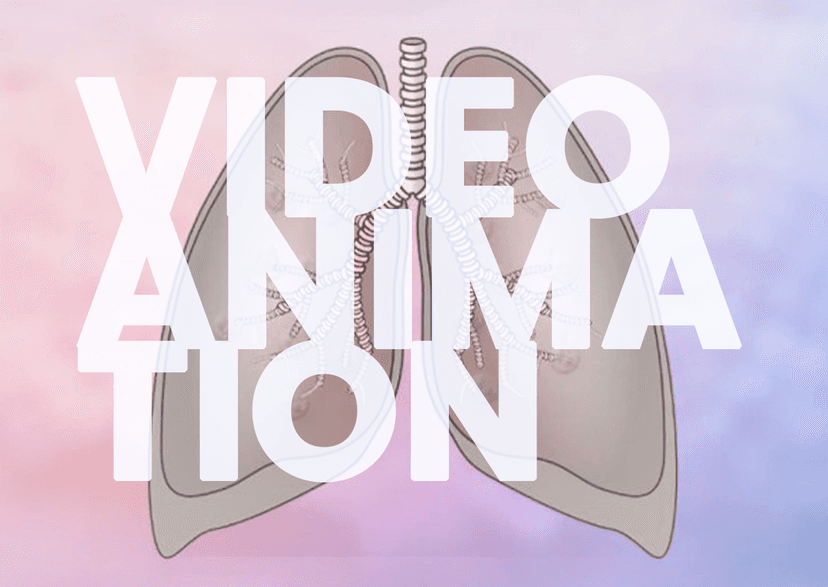
Pathways Driving Chronic Airway Remodeling in Asthma
See how type 2 inflammation underlies remodeling processes in asthma.
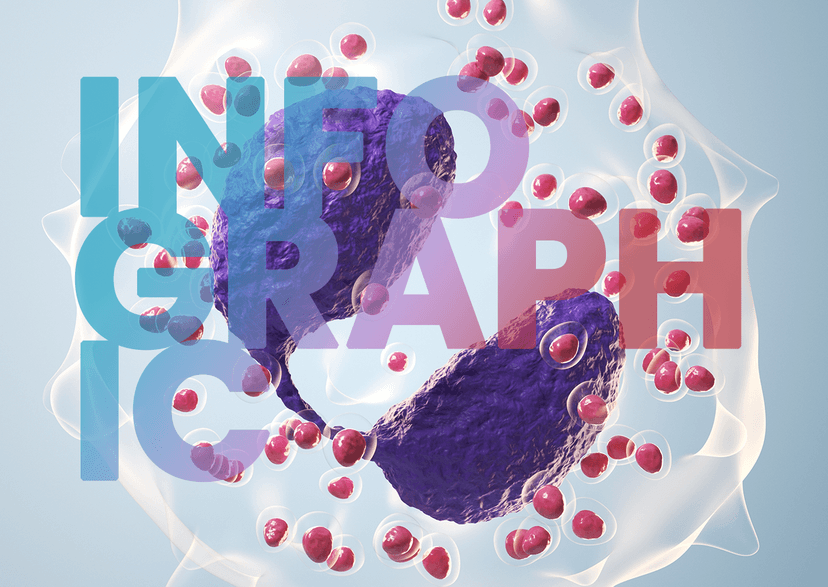
EoE: A Chronic, Progressive, Type 2 Inflammatory Disease Infographic
Learn about key drivers of type 2 inflammation in EoE and how they mediate progressive esophageal remodeling and impact patient burden
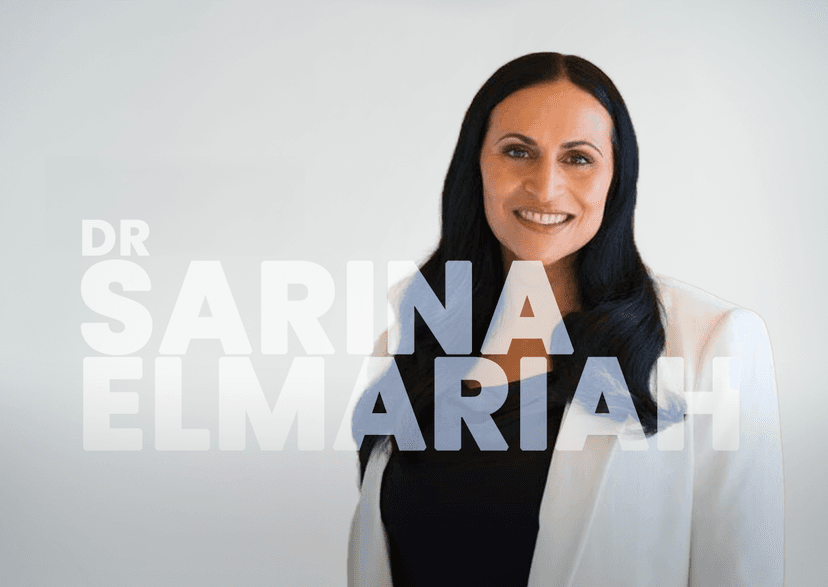
Beyond Itch: The Multifaceted Role of IL-4/IL-13 in the Pathogenesis of PN
Professor Sarina Elmariah describes how IL-4 and IL-13, key drivers of type 2 inflammation, uniquely contribute to manifestations of prurigo nodularis beyond itch.

ERS 2024 | Perspectives From the Evolving Biologic Landscape in COPD
Professor Alberto Papi presents the latest clinical data on current and emerging biologics for COPD with type 2 inflammation.
