36 search results for: comorbidities

Dupilumab Reduces Total IgE and Allergen-Specific IgE in a Real-World Study of Pediatric Patients With AD and Type 2 Comorbidities
In this soundbite video from the April 2025 ADVENT Forum in Lisbon, Portugal, Prof. Oscar Palomares discusses evidence demonstrating that dupilumab reduces both total and allergen-specific IgE in pediatric patients with atopic dermatitis and comorbid allergic diseases, underscoring the role of IL-4/IL-13 blockade in modulating B-cell activity.

Early Intervention May Have the Potential to Alter the Trajectory of Atopic Dermatitis
Dr. Lawrence Eichenfield discusses the meaning of "early intervention" and its potential implications in atopic dermatitis.

ADVENT on Air: OCS in CRSwNP Podcast
Listen to experts, Dr. Amber Luong and Dr. Marjolein Cornet, discuss the significant burden of oral corticosteroid (OCS) use in chronic rhinosinusitis with nasal polyps (CRSwNP) and its short-term, long-term, and cumulative risks, particularly for patients with coexisting conditions like asthma. Experts highlight the need for improved multidisciplinary approaches and OCS-sparing strategies to optimize patient care.

ADVENT On Air Podcast: Unmet Needs and Current Treatment Landscape with Bullous Pemphigoid
In this podcast, Dr. Teri Greiling and Dr. Daniel Butler discuss the enormous burden patients with bullous pemphigoid experience and how our understanding of the disease pathophysiology may help address unmet treatment needs.
Time to Act: Reducing the Impact of Uncontrolled Disease Through Early Intervention
Dr Jason Hawkes describes the importance of early intervention for patients with uncontrolled skin diseases and the effectiveness of evidence-based management strategies, sharing a patient case and his clinical insights with chronic spontaneous urticaria. Drs Eichenfield, Elmariah, and Culton join to review the burdens faced by patients with atopic dermatitis, prurigo nodularis, and bullous pemphigoid, respectively.

The Patient's Path: Unraveling the Diagnosis and Burden of Bullous Pemphigoid
Follow Janet, a hypothetical patient, as she navigates the difficult journey of bullous pemphigoid, starting with symptom onset to diagnosis.

Cracking the Code: Diagnosing and Managing Skin Diseases With Type 2 Inflammation
This symposium delves into the pivotal role of type 2 inflammation in diverse skin conditions, including atopic dermatitis, prurigo nodularis, chronic spontaneous urticaria, and bullous pemphigoid. It highlights both shared and distinct disease mechanisms and patient burdens, providing crucial insights for optimizing clinical management strategies through a series of engaging panel discussions with Drs Eichenfield, Elmariah, Culton, and Hawkes.
ADVENT On Air | Early Intervention and Disease Modification in Atopic Dermatitis
Prof. Thomas Bieber explores early intervention and disease modification in atopic dermatitis.

Emerging Perspectives on the Disease Burden and Management of Children With Atopic Dermatitis
This video of the October 2024 ADVENT symposium at EAPS in Vienna, Austria features Drs Christine Bangert, Mark Boguniewicz, and Perla Lansang as they discuss the inflammatory processes driven by type 2 cytokines that lead to AD and atopic comorbidities, the multidimensional and cumulative disease burden associated with AD and its comorbidities, and the current and emerging treatment options for children with AD uncontrolled with topical therapy
Lung Function Decline: Why it Matters and What’s at Stake for Patients
Understand the drivers of lung function decline in chronic obstructive pulmonary disease (COPD), including chronic inflammation, key risk factors, and the impact on patient well-being .
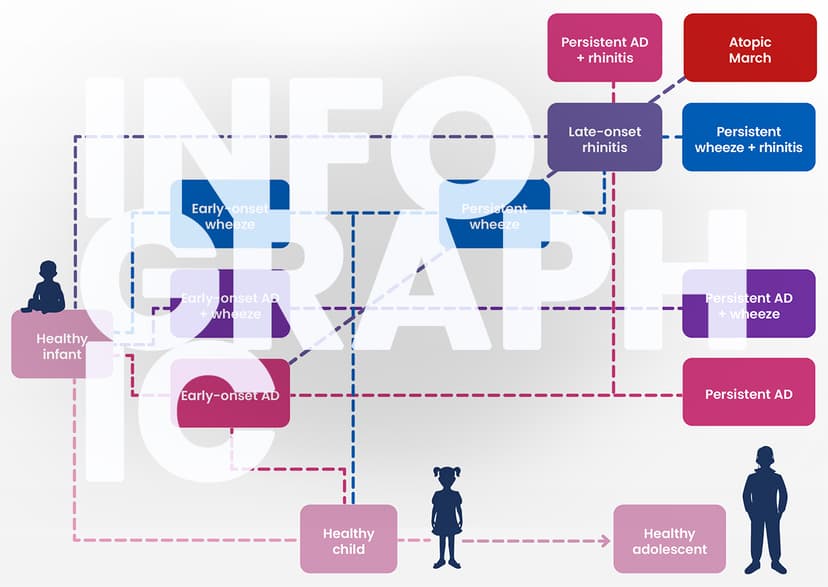
The Role of Type 2 Inflammation in Multiple Disease Trajectories
How type 2 inflammation drives atopic dermatitis and underlies other atopic diseases across multiple disease trajectories including the atopic march.

Beyond the Visible: The Cumulative Burden of Prurigo Nodularis
Professor Matthias Augustin emphaizes that prurigo nodularis is a chronic systemic disease with a significant and multifaceted burden, encompassing both visible skin manifestations and hidden psychosocial and physical comorbidities.
