138 search results for: burden of disease

CRSwNP Interactive Patient Case Tool
Meet Fernando. Journey through his clinical profile, applying guideline-based checklists to reach a consensus regarding his diagnosis.
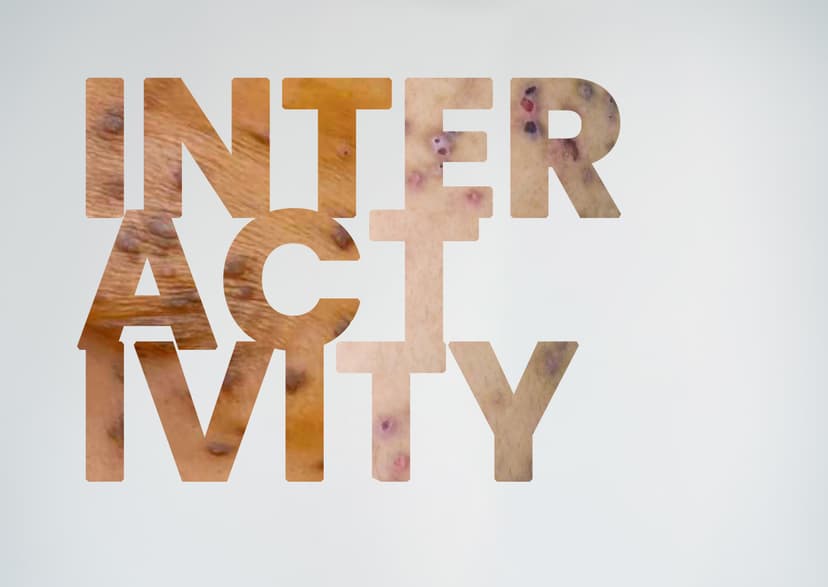
Skin Dyspigmentation In Prurigo Nodularis (PN)
This infographic illustrates the clinical manifestations, pathophysiology and impact on patients of skin dyspigmentation in Prurigo Nodularis.
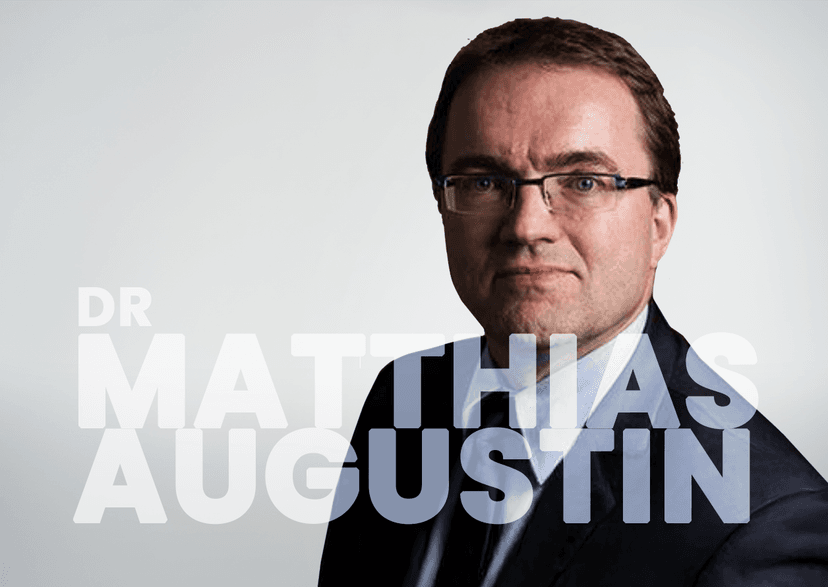
Beyond the Skin: Understanding Systemic Comorbidities in Prurigo Nodularis
Professor Matthias Augustin highlights the high prevalence of both atopic and non-atopic comorbidities in patients with PN, including increased risks of cardiovascular events and all-cause mortality.

Mucus Plugging Is a Key Component of Remodeling in Asthma, Leading to Fixed Airway Obstruction
Learn about the role of type 2 inflammation in the burden and pathophysiology of mucus plugging in severe asthma
ADVENT at EAACI PAAM 2025
Join Sanofi and Regeneron for an educational symposium on type 2 inflammation processes underlying pediatric asthma, atopic dermatitis, and eosinophilic esophagitis.

Unmet Needs in Bullous Pemphigoid
Join Dr. Culton as she discusses the unmet treatment needs in bullous pemphigoid, and the importance of understanding pathophysiology in disease management.

Spotlight on Type 2 Inflammation in the Upper and Lower Airways
In this video soundbite from the EAACI 2025 symposium, Dr. Zuzana Diamant explains pathophysiological mechanisms underlying asthma and CRSwNP, and how type 2 inflammatory cytokines drive airway remodelling in patients with severe asthma. Additionally, patients with co-existing asthma and CRSwNP have a higher type 2 inflammatory burden than patients with asthma alone.

What Went Wrong? How Dysregulated Type 2 Immunity Contributes to AD, PN, CSU, and BP
The March 2025 ADVENT symposium in Orlando, Florida brought together 4 dermatology experts to explore the evolving science of type 2 inflammation. Type 2 inflammation plays a central role in the pathophysiology of multiple dermatological diseases, driving chronic immune dysregulation that affects patients with atopic dermatitis (AD) prurigo nodularis (PN), chronic spontaneous urticaria (CSU) and bullous pemphigoid (BP). Understanding the mechanisms behind type 2 inflammation is key to advancing care and improving patient quality of life.

How Does Protective Type 2 Immunity Become Harmful Type 2 Inflammation?
In this video from the March 2025 ADVENT symposium in Orlando, Florida, Dr. Eric Simpson discusses how protective type 2 immunity can become dysregulated, leading to harmful type 2 inflammation. The associated inflammatory process can contribute to the pathophysiology of several dermatological diseases, including AD, PN, CSU, and BP.
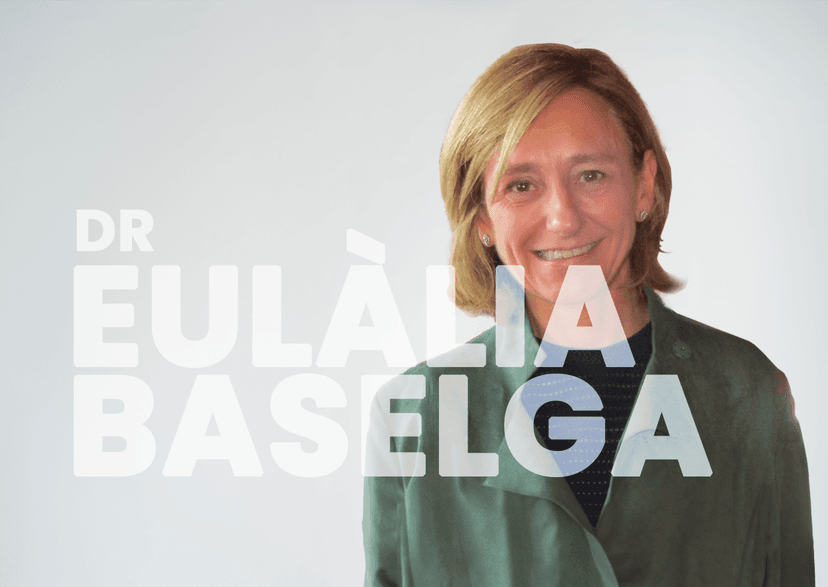
Charting the Future: Preventing the Atopic March
In this clip from the April WCPD 2025 symposium, Dr Eulàlia Baselga highlights the multidimensional burden of uncontrolled AD and how the various burdens contribute to Cumulative Life Course Impairment (CLCI).

ADVENT Forum 2025 On Demand page
Watch on-demand expert soundbites recorded at the April 2025 ADVENT Forum in Lisbon, Portugal, featuring dermatology and immunology perspectives on mechanisms and clinical practice. Topics range from disease mechanism to patient care and quality of life, spanning atopic dermatitis (AD), prurigo nodularis (PN), chronic spontaneous urticaria (CSU) and bullous pemphigoid (BP).

The Effects of Chronic Spontaneous Urticaria on Mental Health and Quality of Life
In this soundbite video from the April 2025 ADVENT Forum in Lisbon, Portugal, Dr. Marta Ferrer discusses how chronic spontaneous urticaria profoundly impacts mental health and quality of life, with patients often undergoing extensive testing before receiving appropriate treatment.
