98 search results for: patient burden
ERS 2024 | Airway Remodeling: A Permanent or Transitory Consequence in Severe Asthma Patients?
Join Klaus Rabe, MD, PhD, FERS; Celeste Porsberg, MD, PhD; and Mario Castro, MD, MPH, for a symposium on airway remodeling in severe asthma patients.
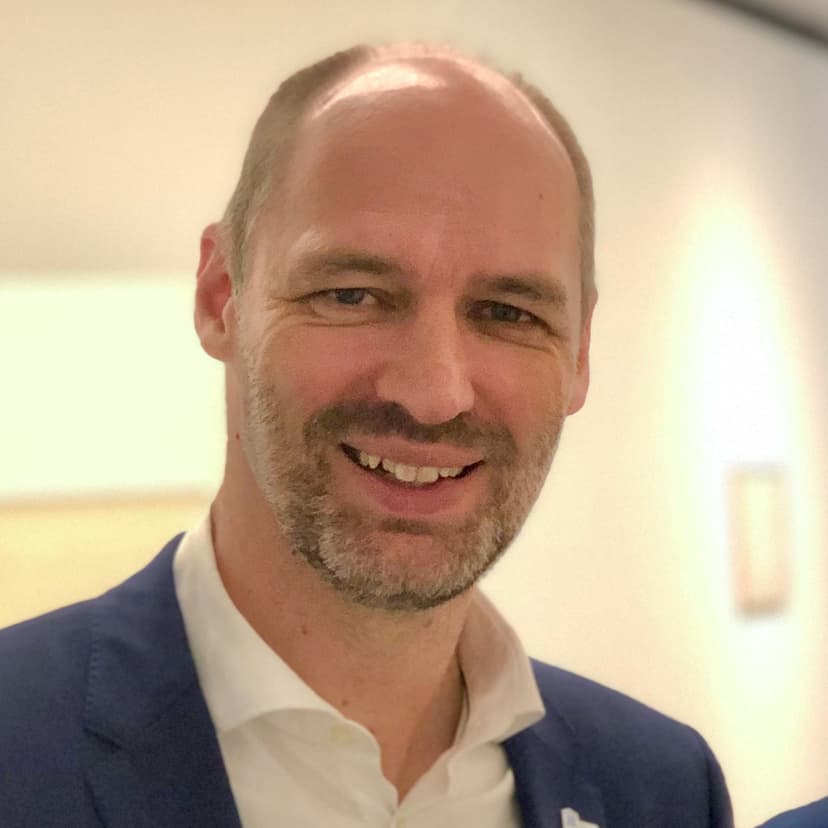
CRSwNP at Center Stage: Impact of Biologics in Patients with Co-existing Type 2 Asthma
In this video soundbite from the EAACI 2025 symposium, Dr. Philippe Gevaert explains how biologic options for uncontrolled CRSwNP are increasing, and phase 3 studies of approved biologics show improved outcomes and decreased SCS use/surgery in patients with CRSwNP. Additionally, he explains how biologics targeting type 2 inflammatory pathophysiology potentially improve outcomes for eligible patients with co-existing CRSwNP and asthma.
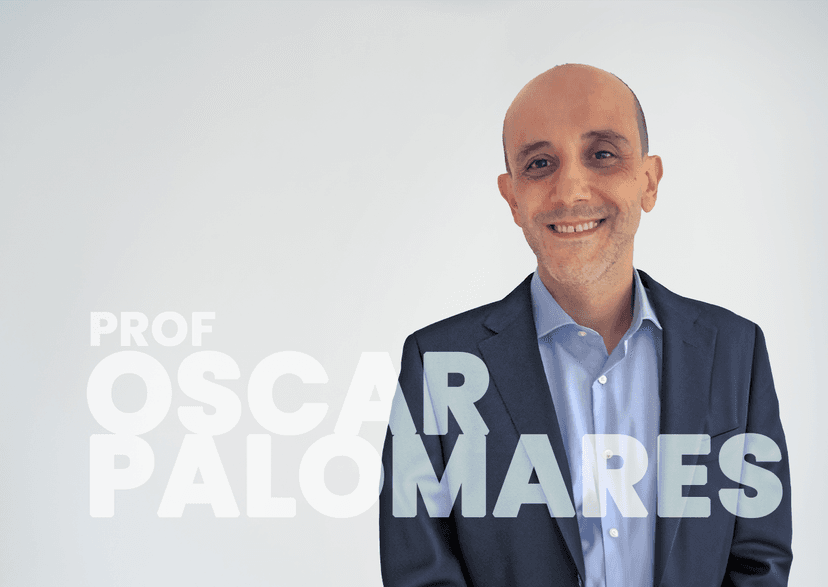
Type 2 Inflammatory Diseases Can Negatively Impact Patients and Their Caregivers
In this soundbite video from the April 2025 ADVENT Forum in Lisbon, Portugal, Prof Oscar Palomares highlights the substantial impact of type 2 inflammatory diseases on the quality of life of patients and their caregivers.

ERS 2025 Enduring Video: Type 2 Severe Asthma “Unplugged”: Reducing Mucus to Improve Long- Term Patient Outcomes
Join Drs. Njira Lugogo, Simon Couillard, and Mario Castro for a session exploring the link between pathogenic mucus and impaired lung function in patients with moderate-to-severe asthma and the potential for disease modification with targeted therapy.

AANP 2025 | Atopic Diseases & a Case-Based Panel of Nurse Practitioners
Experts from different specialties use a case-based discussion to understand type 2 inflammatory diseases from a nurse practitioner perspective.
Translating the Science of CSU: From Pathogenesis to Patient Outcomes
Watch as Drs. Michihiro Hide, Marta Ferrrer, and Ana M. Giménez-Arnau discuss chronic spontaneous urticaria (CSU) and highlight the unmet needs, importance of disease control, and emerging therapies.
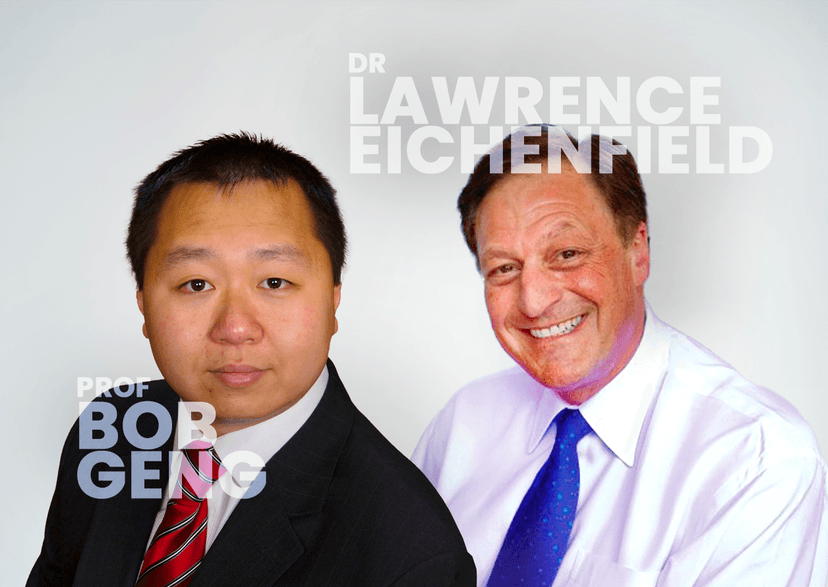
Managing Type 2 Inflammatory Diseases: Multidisciplinary Frame of Mind
Drs. Bob Geng and Lawrence Eichenfield highlight a multidisciplinary team approach to patient-centered care in diseases with type 2 inflammation
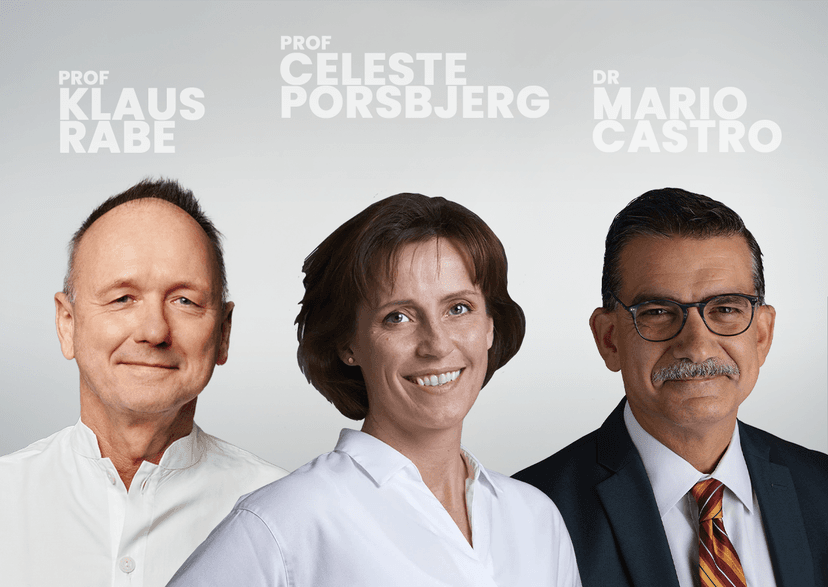
ERS 2024 | Fireside Chat: What Is the Potential for Disease Modification in the Era of Biologics?
Professors Celeste Porsbjerg and Klaus Rabe and Dr Mario Castro discuss disease modification in severe asthma, including what disease modification is, how it can be identified, and how the advent of biologics may bring about disease modification.
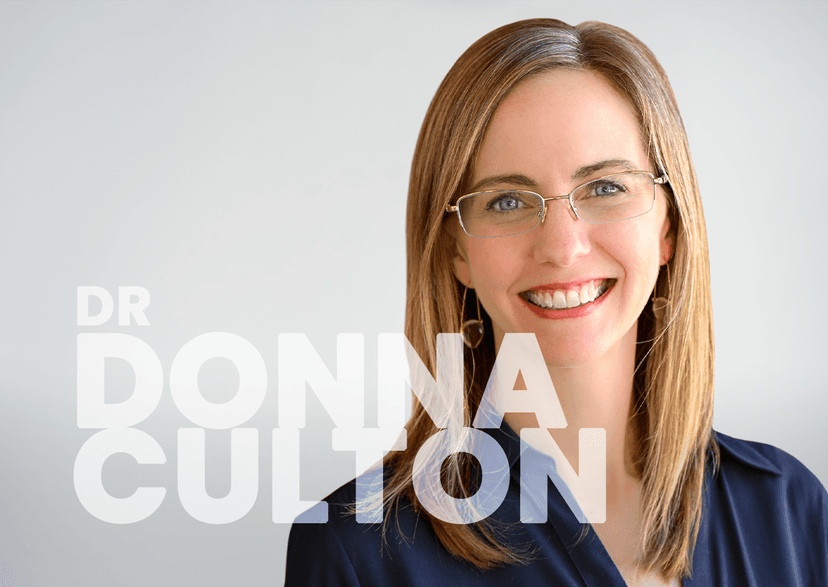
Factors Contributing to Diagnostic Delays in Bullous Pemphigoid
Dr. Donna Culton focuses on the challenges of diagnosis and the unmet needs for patients with BP

What Went Wrong? How Dysregulated Type 2 Immunity Contributes to AD, PN, CSU, and BP
The March 2025 ADVENT symposium in Orlando, Florida brought together 4 dermatology experts to explore the evolving science of type 2 inflammation. Type 2 inflammation plays a central role in the pathophysiology of multiple dermatological diseases, driving chronic immune dysregulation that affects patients with atopic dermatitis (AD) prurigo nodularis (PN), chronic spontaneous urticaria (CSU) and bullous pemphigoid (BP). Understanding the mechanisms behind type 2 inflammation is key to advancing care and improving patient quality of life.
Beyond Age: Unraveling the Mortality Risk in Bullous Pemphigoid
Dr. Donna Culton discusses the elevated mortality risk in patients with bullous pemphigoid at EADV 2025
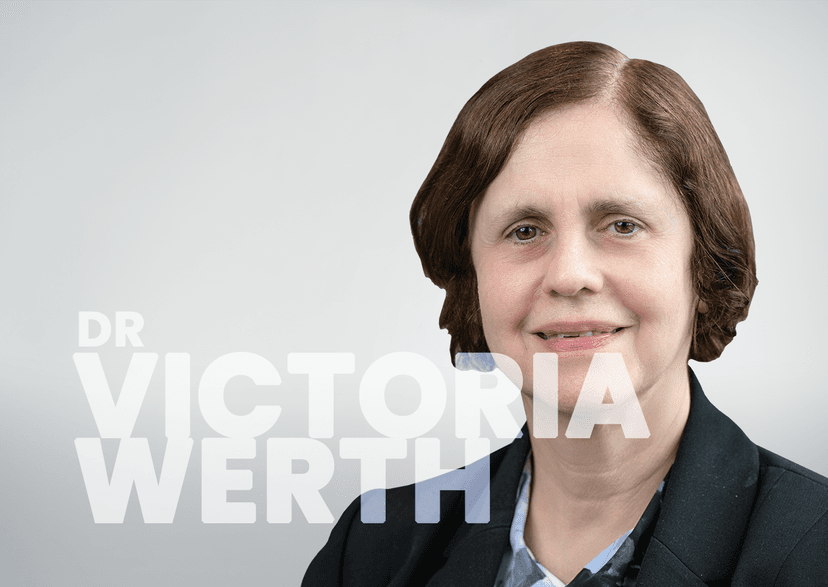
Importance of Early Diagnosis in Bullous Pemphigoid
Join Dr. Werth as she outlines how early diagnosis and treatment are critical to minimize risk and improve long term outcomes in patients with BP.
