106 search results for: symposium
Mucus Plugging as a Potential Target in Asthma Management
Join Dr. Celeste Porsbjerg as she explores the mechanisms underlying mucus plugging development as mucociliary clearance. She explains how type 2 cytokines—particularly IL-13—impair this clearance mechanism, leading to mucus plugging, and worsened asthma outcomes.

Cracking the Code: Diagnosing and Managing Skin Diseases With Type 2 Inflammation
This symposium delves into the pivotal role of type 2 inflammation in diverse skin conditions, including atopic dermatitis, prurigo nodularis, chronic spontaneous urticaria, and bullous pemphigoid. It highlights both shared and distinct disease mechanisms and patient burdens, providing crucial insights for optimizing clinical management strategies through a series of engaging panel discussions with Drs Eichenfield, Elmariah, Culton, and Hawkes.
Etiology and Diagnosis of Bullous Pemphigoid
Professor Joost Meijer discusses the complex etiology and diagnosis of BP
Factors Contributing to Diagnostic Delays in Bullous Pemphigoid
Dr. Donna Culton focuses on the challenges of diagnosis and the unmet needs for patients with BP
Pathophysiology of Blister Formation in Bullous Pemphigoid
Professor Enno Schmidt discusses the pathophysiology of BP, focusing on the role of type 2 inflammation and blister formation
UEGW 2024 | Latest Clinical Evidence for Biologics in EoE
Prof. Salvatore Oliva discusses the latest clinical data for EoE that included patients from childhood to adulthood.

UEGW 2024 | WHAT Can Be Used to Monitor Treatment Response in EoE and WHEN?
Dr. Milli Gupta emphasizes the need to regularly monitor multiple disease domains when assessing treatment response, not just EoE symptoms.
UEGW 2024 | WHY Is Long-Term Management of EoE Important?
Prof. Salvatore Oliva discusses the impact of chronic type 2 inflammation on EoE progression, highlighting the need for long-term management.
A Tale of Two Itches: Bridging the Gap With Type 2 Inflammation in PN and CSU
Join Drs. Elmariah, Kim, and Metz as they explore the latest research on neuro-immune mechanisms driving chronic itch and inflammation in PN and CSU.
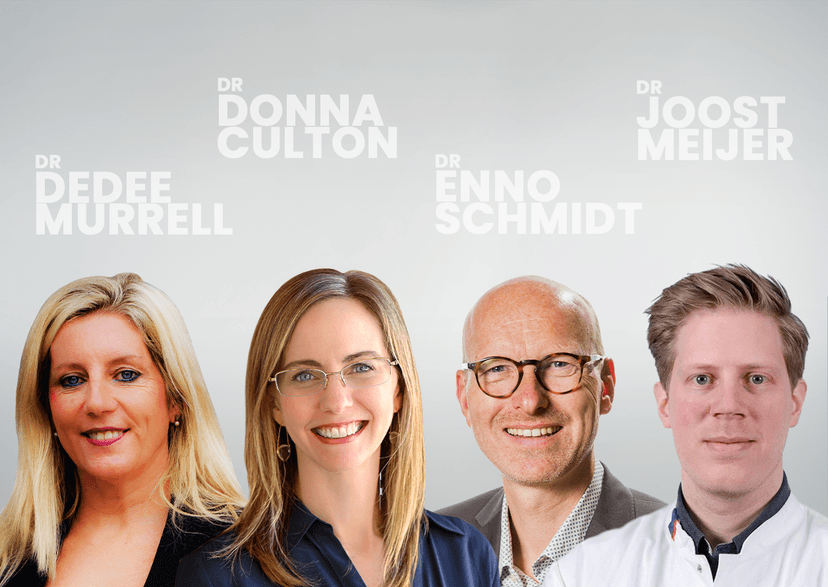
Bullous Pemphigoid (BP): Exploring New Frontiers
Join experts Dédée Murrell, Donna Aline Culton, Joost Meijer and Enno Schmidt for an educational presentation on the clinical presentation, disease burden, diagnosis, and underlying pathophysiology of bullous pemphigoid (BP). Dive deeper into unmet needs and treatment challenges faced by these patients and how targeted therapies may address them.
Translating the Science of CSU: From Pathogenesis to Patient Outcomes
Join Drs. Michihiro Hide, Marta Ferrrer, and Ana M. Giménez-Arnau as they discuss chronic spontaneous urticaria (CSU) and highlight the unmet needs, treatment challenges, and emerging therapies.
Translating the Science of CSU: From Pathogenesis to Patient Outcomes
Watch as Drs. Michihiro Hide, Marta Ferrrer, and Ana M. Giménez-Arnau discuss chronic spontaneous urticaria (CSU) and highlight the unmet needs, importance of disease control, and emerging therapies.
