164 search results for: Pathophysiology
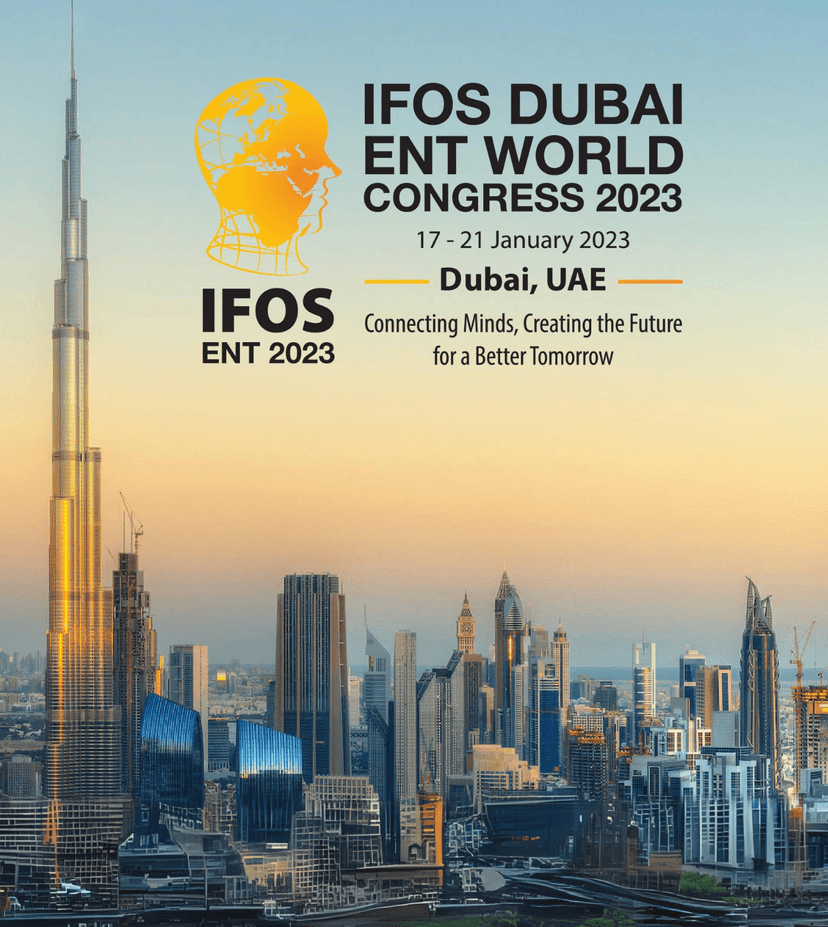
IFOS 2023 | Type 2 Inflammation and Clinically Relevant Improvements in CRSwNP
Dr. Stella Lee and Profs. Peter Hellings and Wytske Fokkens discuss type 2 inflammation, partnering with patients to improve outcomes, and real-world data on biologic effectiveness in CRSwNP.
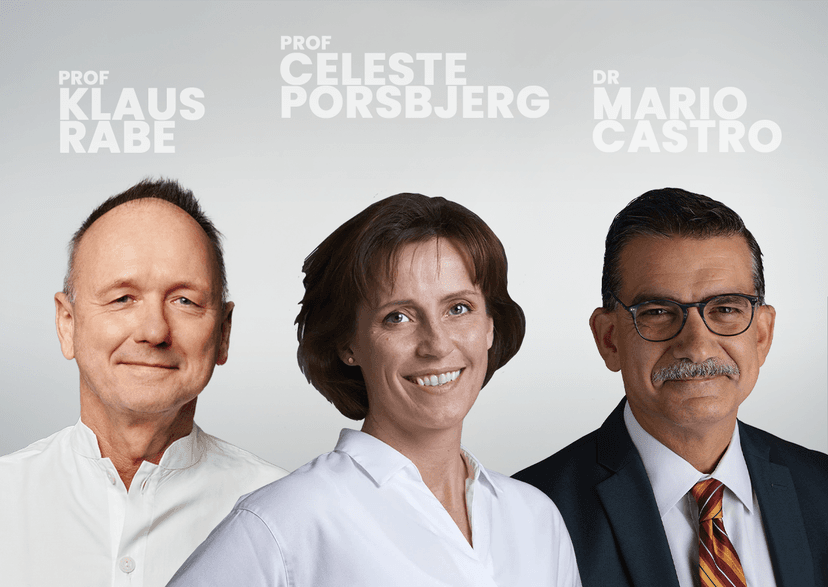
ERS 2024 | Fireside Chat: What Is the Potential for Disease Modification in the Era of Biologics?
Professors Celeste Porsbjerg and Klaus Rabe and Dr Mario Castro discuss disease modification in severe asthma, including what disease modification is, how it can be identified, and how the advent of biologics may bring about disease modification.
ERS 2024 | Airway Remodeling: A Permanent or Transitory Consequence in Severe Asthma Patients?
Join Klaus Rabe, MD, PhD, FERS; Celeste Porsberg, MD, PhD; and Mario Castro, MD, MPH, for a symposium on airway remodeling in severe asthma patients.
ERS 2024 | A Breath of Fresh Air: A Greater Understanding of COPD With Type 2 Inflammation
Join experts Henrik Watz, Mona Bafadhel, and Alberto Papi for an educational symposium on the link between underlying drivers of COPD with type 2 inflammation and cumulative patient burden, exploring the role of type 2 cytokines, and current and emerging therapies.

ERS 2025 Enduring Video: Type 2 Severe Asthma “Unplugged”: Reducing Mucus to Improve Long- Term Patient Outcomes
Join Drs. Njira Lugogo, Simon Couillard, and Mario Castro for a session exploring the link between pathogenic mucus and impaired lung function in patients with moderate-to-severe asthma and the potential for disease modification with targeted therapy.
Broadening the Lens: Clinical and Immunological Insights That Inform CSU Management
Experience this engaging presentation by Professors Martin Metz, Elena Netchiporouk, and Jason Hawkes to explore emerging therapies for chronic spontaneous urticaria.
Decoding Chronic Itch and More in PN: Implications of Real-World Data for Clinical Practice
This symposium highlights type 2 inflammation as a key driver of chronic itch and the characteristic skin lesions of prurigo nodularis and evaluates the real-world implications of targeted therapies on clinical practice.
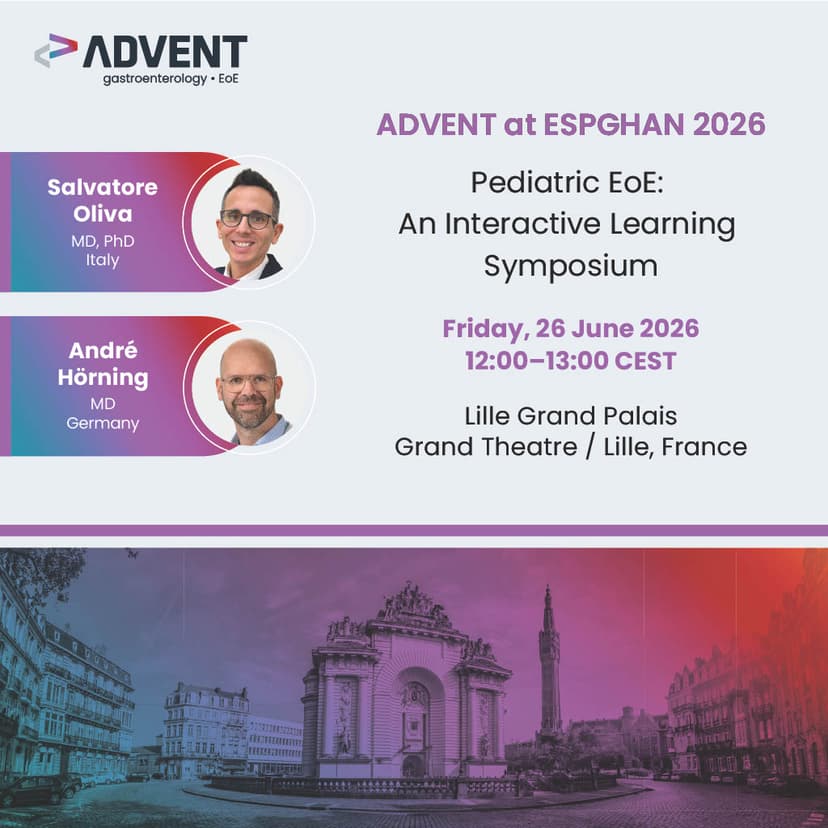
Pediatric EoE: An Interactive Learning Symposium
Join leading experts in pediatric eosinophilic esophagitis (EoE), Professors Salvatore Oliva, MD, PhD, and André Hörning, MD, as they explore the multifaceted journey of pediatric patients with EoE through a hypothetical patient case, navigating real-world challenges in managing EoE.
IL-4 Is the Primary Cytokine That Drives Th2 Cell Polarization and Amplifies Type 2 Inflammation
In this soundbite video from the April 2025 ADVENT Forum in Lisbon, Portugal, Prof Oscar Palomares describes how IL-4 is the key cytokine involved in the initiation and perpetuation of Th2 cell responses and type 2 inflammation.
How Does Type 2 Inflammation Manifest in Chronic Diseases Across Different Organs?
In this soundbite video from the April 2025 ADVENT Forum in Lisbon, Portugal, Prof Oscar Palomares discusses how type 2 inflammation plays a critical role in a broad range of diseases across different organ systems.
Type 2 Inflammatory Disease: What Are the Mechanisms that Contribute to the Development of Other Atopic Comorbidities?
In this soundbite video from the April 2025 ADVENT Forum in Lisbon, Portugal, Prof. Oscar Palomares explains how type 2 inflammation and barrier dysfunction contribute to the development of atopic comorbidities and increased susceptibility to infections.
From Protective Type 2 Immunity to Aberrant Type 2 Inflammation
In this soundbite video from the April 2025 ADVENT Forum in Lisbon, Portugal, Prof. Oscar Palomares explains how type 2 immunity evolved to protect against parasites, venoms, and toxins, and how its dysregulation can result in aberrant type 2 inflammation underlying multiple chronic inflammatory diseases.
