150 search results for: burden of disease
Bullous Pemphigoid Is a Challenging Disease to Manage
Dr. Donna Culton discusses the difficulties in managing patients with bullous pemphigoid who are often older and medically vulnerable.
Inside the Hive: Type 2 Inflammatory Pathways in Chronic Spontaneous Urticaria
Join Dr. Jason Hawkes in discussing the burden of CSU and how type 2 inflammation contributes to the development of chronic wheals (hives) and angioedema
Blisters and Beyond: Autoimmunity Meets Type 2 Inflammation in Bullous Pemphigoid
Join Dr. Victoria Werth in exploring the clinical presentation of BP and how type 2 inflammation contributes to the development of disease signs and symptoms

Atopic Dermatitis in Children: Not Just a Skin Disease
In this video of the October 2024 ADVENT symposium at EAPS in Vienna, Austria, Dr Mark Boguniewicz discusses the multidimensional and cumulative disease burden of AD and its associated comorbidities in children. Dr Boguniewicz also highlights the burden experienced by caregivers of children with AD
How Biologic Therapy May Lead to Disease Modification in Infants and Children with Atopic Dermatitis
The underlying pathophysiology of atopic dermatitis (AD) is driven by dysregulation of type 2 immunity that contributes to skin barrier dysfunction. AD typically develops very early in life and children with AD often develop other atopic conditions such as food allergy, asthma, and allergic rhinitis in a progression called the atopic march. Early treatment may help reduce the atopic march and other comorbidities to lessen the lifetime burden created by these diseases. There may even be a window of opportunity for disease modification.

Itch in Prurigo Nodularis
In this soundbite video from the April 2025 ADVENT Forum in Lisbon, Portugal, Dr Brian Kim discuss the burdensome itch in prurigo nodularis, the multifactorial etiology of the disease, and the multiple pathological factors that contribute to chronic itch and skin inflammation in PN.
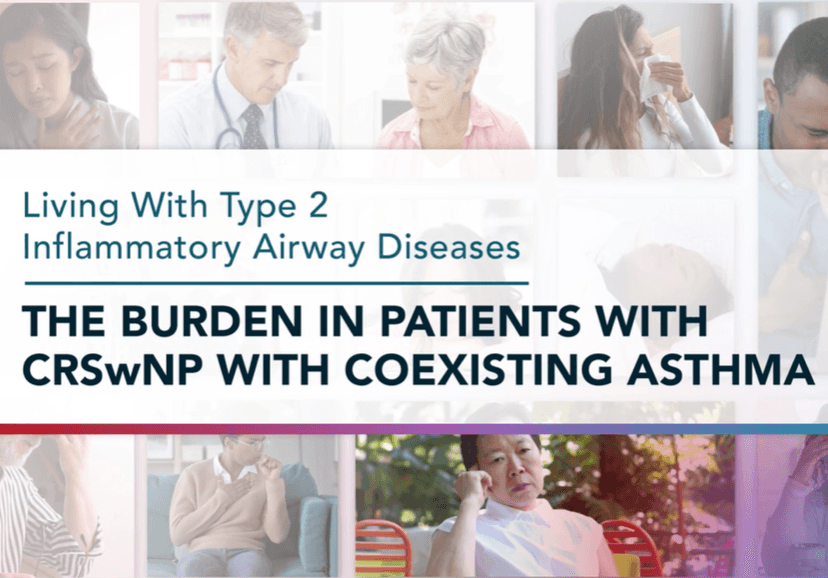
The Burden in Patients with CRSwNP and Coexisting Asthma
This video supports improved clinical awareness and encourages comprehensive care strategies for patients living with both CRSwNP and asthma.
ADVENT On Air | Expert Discussions in Dermatology
Listen to the latest updates in type 2 inflammatory science and associated skin diseases, brought to you by leading dermatology experts in the field. ADVENT On Air podcasts feature scientific conversations that explore new research into the pathophysiology, clinical features, and disease burden for a range of dermatological diseases linked to type 2 inflammation, including atopic dermatitis (AD) and prurigo nodularis (PN). Hear new insights revealed through expert-led conversations below or in your preferred podcast app.


Bullous Pemphigoid: Insights and Innovations
Experience this engaging presentation by Dr. Donna Culton, Prof. Dédée Murrell, and Prof. Ulrike Raap, who highlight the heterogeneous clinical presentations of BP and its burden, delve beneath the surface into how autoimmunity and predominantly type 2 inflammation mediate the disease, and explore the evolving toolbox of current approaches in BP management.
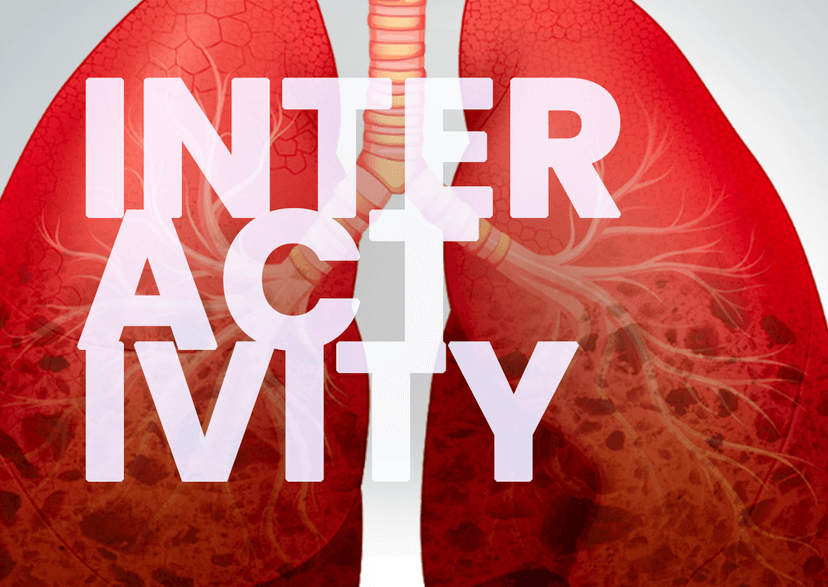
Worsening Disease Results in a Vicious Cycle of COPD
Uncover the complex interconnected factors that drive the progressive and worsening vicious cycle of COPD.

KOL Video Interview – Dr. Eric Simpson
In this exclusive KOL interview, Dr. Eric Simpson explores the cumulative, long-term impact of atopic dermatitis and highlights the potential benefits of initiating treatment early to help manage disease burden.

CLCI in Atopic Dermatitis Infographic
This infographic highlights how uncontrolled moderate‑to‑severe atopic dermatitis (AD) can lead to Cumulative Life Course Impairment (CLCI) by contributing to ongoing physical, psychological, and social burdens such as itch and sleep loss, impaired bone growth and mental health challenges. It emphasizes the importance of early and effective disease control to help reduce long‑term impact on patients.
