132 search results for: Pathophysiology

Loss of Smell is a Key Symptom of CRSwNP
Learn how loss of smell in CRSwNP is a key symptom for both patients and providers.
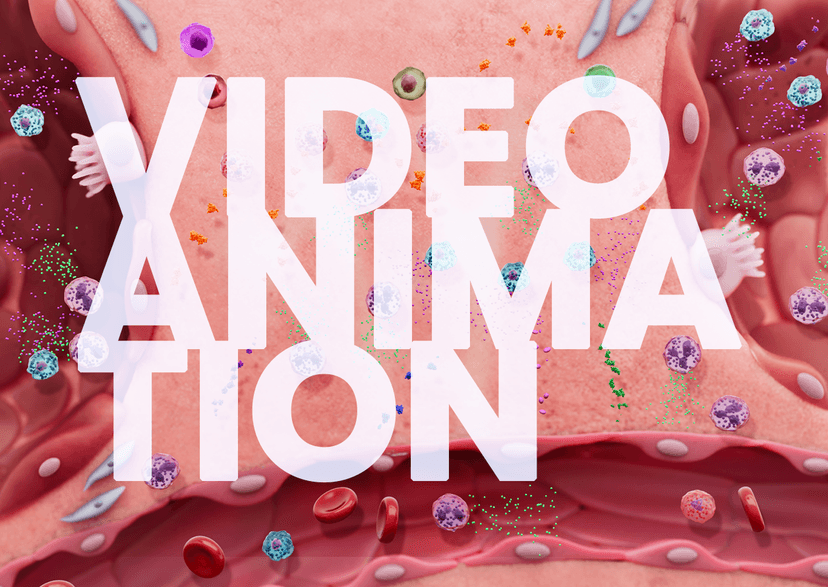
Pathways to Disease: Inflammation in Chronic Obstructive Pulmonary Disease Video
Learn about the significant burden that patients with COPD experience and the role of inflammatory mechanisms in this chronic, often progressive disease.
World Anosmia Day 2026
Join the effort to improve CRSwNP care. World Anosmia Day serves as an opportunity to raise awareness about the loss of the sense of smell. Access some of countless educational resources with ADVENT below.

ADVENT On Air Podcast: Unmet Needs and Current Treatment Landscape with Bullous Pemphigoid
In this podcast, Dr. Teri Greiling and Dr. Daniel Butler discuss the enormous burden patients with bullous pemphigoid experience and how our understanding of the disease pathophysiology may help address unmet treatment needs.

Bullous Pemphigoid: Insights and Innovation
Watch Dr. Donna Culton, Prof. Dédée Murrell, and Prof. Ulrike Raap at EADV 2025 as they explore the clinical presentation and diagnosis of BP and break down the underlying pathophysiology including the roles of autoimmunity and key inflammatory pathways such as Type 2 inflammation. The experts also discuss the evolving therapeutic landscape and how new insights are shaping future treatment strategies.
CRSwNP at Center Stage: Impact of Biologics in Patients with Co-existing Type 2 Asthma
In this video soundbite from the EAACI 2025 symposium, Dr. Philippe Gevaert explains how biologic options for uncontrolled CRSwNP are increasing, and phase 3 studies of approved biologics show improved outcomes and decreased SCS use/surgery in patients with CRSwNP. Additionally, he explains how biologics targeting type 2 inflammatory pathophysiology potentially improve outcomes for eligible patients with co-existing CRSwNP and asthma.
How Biologic Therapy May Lead to Disease Modification in Infants and Children with Atopic Dermatitis
The underlying pathophysiology of atopic dermatitis (AD) is driven by dysregulation of type 2 immunity that contributes to skin barrier dysfunction. AD typically develops very early in life and children with AD often develop other atopic conditions such as food allergy, asthma, and allergic rhinitis in a progression called the atopic march. Early treatment may help reduce the atopic march and other comorbidities to lessen the lifetime burden created by these diseases. There may even be a window of opportunity for disease modification.

ERS-ISIAN 2025 | Type 2 Inflammation and Disease Control in CRSwNP: Current Perspectives and Future Directions
In this educational presentation, Profs. Vibeke Backer and Sietze Reitsma cover key aspects of type 2 inflammation and its role in the pathogenesis and management of CRSwNP and practical strategies for optimizing disease control and improving patient outcomes.

ADVENT On Air | Exploring The Urgency to Treat in Atopic Dermatitis
Professor Lisa Beck explores the chronic and persistent burden of atopic dermatitis (AD) as well as the concept of early intervention in patients with AD.
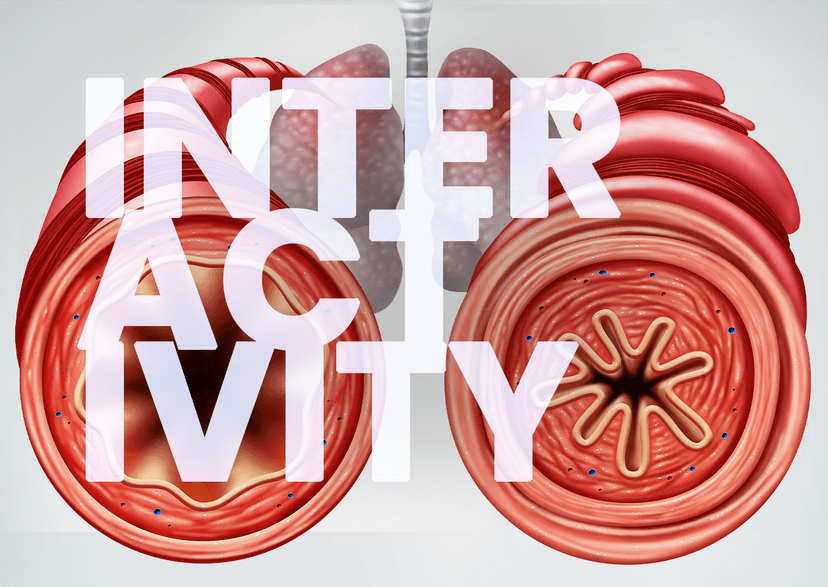
Airway Hyperresponsiveness In Asthma Is Mainly Driven By Components Of Type 2 Inflammation
Examine underlying type 2 inflammation as a driver of airway hyperresponsiveness in patients with asthma.
Itch in Chronic Inflammatory Skin Diseases: Histaminergic and Nonhistaminergic Mechanisms and Role of IL-4 as a Central Orchestrator in Promoting Neuronal Sensitization
In this soundbite video from the April 2025 ADVENT Forum in Lisbon, Portugal, Dr. Brian Kim explores the histaminergic and nonhistaminergic mechanisms of itch, highlighting how type 2 cytokines like IL-4 serve as central orchestrators of neuronal sensitization and immune–nervous system cross-talk.
In Chronic Pruritic Skin Diseases, the Neuroimmune Axis Involves Dynamic Interactions Between Type 2 Inflammation and Sensory Nerves
In this soundbite video from the April 2025 ADVENT Forum in Lisbon, Portugal, Dr. Brian Kim describes the dynamic neuroimmune interactions in chronic pruritic skin diseases, emphasizing how type 2 cytokines and sensory nerves actively influence both itch perception and tissue inflammation.