74 search results for: pediatric

Hindered Growth in Children Aged <12 Years with Moderate-to-Severe AD and Potential Improvement with Dupilumab Treatment
In this soundbite video from the April 2025 ADVENT Forum in Lisbon, Portugal, Dr Amy Paller discusses how moderate-to-severe AD may hinder growth in pediatric patients and highlights data showing treatment with dupilumab may increase vertical growth in children of lower stature.
Can Therapy-Free Disease Control Be Achieved in Atopic Dermatitis?
In this soundbite video from the April 2025 ADVENT Forum in Lisbon, Portugal, Prof. Thomas Bieber discusses emerging evidence that therapy-free disease control may be possible in atopic dermatitis, citing pediatric dupilumab data showing that a subset of patients-maintained remission after treatment discontinuation.
ADVENT On-Air Podcast: Growth and Children With AD
Drs. Amy Paller and Lisa Swanson discuss the risk of low bone mineral density and impaired growth reported in pediatric atopic dermatitis and observed improvements in growth with advanced therapy, especially among children of shorter stature at baseline.
KOL Video Interview – Dr Amy Paller
In this exclusive video interview, Dr Amy Paller discusses two topics: 1) The importance of CCL17 (TARC) as a biomarker in pediatric patients with AD, and 2) How IL-4 and IL-13 contribute to skin barrier dysfunction in AD.
Digging Deeper: Reducing Non-Atopic Comorbidities and Multidimensional Disease Burden
In this video from the April 2025 WCPD symposium, Dr Paula Luna discusses the multidimensional disease burden in pediatric patients with AD and the data regarding how early intervention may lead to long-term disease control and a reduced risk of developing non-atopic comorbidities.
ADVENT at NAPNAP 2025
Join experts Jonathan Spergel, MD, PhD, Wanda Phipatanakul, MD, MS, and Jerry Ellen Schonfeld, CPNP, at an educational symposium as they investigate the role of type 2 inflammation in pediatric diseases. The speakers will also discuss the difficulties in diagnosis and burdens patients and their families face.
On the Surface: Restoring the Skin Barrier in Patients With AD
In this video from the April 2025 WCPD symposium, Dr Amy Paller discusses the pathophysiology of skin barrier dysfunction in AD and how regulating IL-4 and IL-13 signaling may lead to restoration of the skin barrier. Dr Paller goes on to explore how reducing certain biomarkers, such as CCL17 (TARC), may reduce inflammation that contributes to AD severity in pediatric patients.

Elaine Siegfried, MD
Professor of Pediatrics and Dermatology in the Department of Pediatrics, Division of Dermatology at Saint Louis University School of Medicine, US

Moshe Ben-Shoshan, MD, MSc
Associate Professor, Department of Pediatrics, McGill University | Montréal, Quebec, Canada
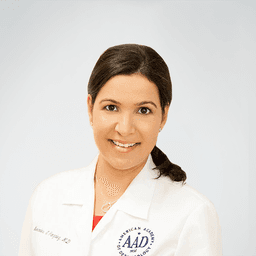
Mercedes Gonzalez, FAAD, MD
Pediatric Dermatologist, DERM360 | Medical Director, Pediatric Skin Research | Miami, Florida, USA

Antonella Muraro, MD, PhD
Consultant Pediatric Allergist at the Department of Pediatrics of the University of Padova, Italy

Thomas Casale, MD
Professor of Medicine and Pediatrics; Chief of Clinical and Translational Research, University of South Florida, Tampa, United States
