150 search results for: burden of disease

Diagnosis and Clinical Manifestations of Bullous Pemphigoid
Join Dr. Meijer as he highlights the signs and symptoms of bullous pemphigoid, and the importance of accurate and prompt diagnosis.

What Went Wrong? How Dysregulated Type 2 Immunity Contributes to AD, PN, CSU, and BP
This full video presentation of the March 2025 ADVENT cross-dermatology symposium, hosted in Orlando, Florida features Dr. Eric Simpson, Dr. Shawn Kwatra, Dr. Jason Hawkes and Dr. Victoria Werth. The faculty present the latest information around type 2 inflammation and its association with atopic dermatitis (AD), prurigo nodularis (PN), chronic spontaneous urticaria (CSU) and bullous pemphigoid (BP).
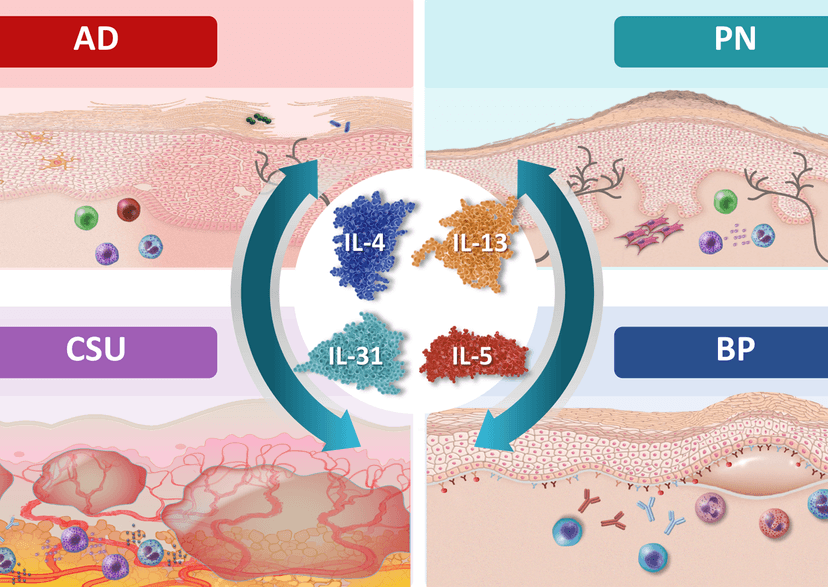
What Went Wrong? How Dysregulated Type 2 Immunity Contributes to AD, PN, CSU, and BP
This is the full presentation of the March 2025 ADVENT cross-dermatology symposium, hosted in Orlando, Florida, presenting the latest information around type 2 inflammation and its association with atopic dermatitis (AD), prurigo nodularis (PN), chronic spontaneous urticaria (CSU) and bullous pemphigoid (BP).

Clinical Utility of Biomarkers in the Management of AD
Dr. Amy Paller discusses the clinical utility of TARC measurements in AD management at EADV 2025

Underlying Type 2 Inflammation Drives a Chronic Itch-Scratch Cycle in Atopic Dermatitis
In this soundbite video from the April 2025 ADVENT Forum in Lisbon, Portugal, Dr. Brian Kim explains how underlying type 2 inflammation sustains the chronic itch-scratch cycle in atopic dermatitis, highlighting the interplay of barrier dysfunction, cytokine signaling, and neuronal activation.

Unmet Needs for Bullous Pemphigoid (BP): Limitations of Diagnosis and Conventional Therapies
In this ADVENT symposium at the 2024 EADV meeting, Dr. Donna Culton focuses on the challenges of diagnosis and the unmet needs for patients with BP.

ADVENT On Air | Breath, Blood, and Beyond: The Prognostic Power of Biomarkers in Asthma Across Ages
Join pediatric respirologist Dr. Sharon Dell and adult respirologist Dr. Simon Couillard as they discuss the prognostic and diagnostic power of asthma biomarkers and their impact on optimizing patient management across all ages.

Prevalence of Food Allergy and Other Atopic Comorbidities in Children With AD
In this highlight video from the October 2024 ADVENT symposium at EAPS in Vienna, Austria, Dr Mark Boguniewicz discusses the prevalence of food sensitization and food allergy in pediatric patients with AD, clarifying the difference between the two. Dr Boguniewicz also discusses the prevalence of other atopic comorbidities in children with AD

The Impacts of Delayed Diagnosis and Treatment in Bullous Pemphigoid
Professor Dédée Murrell highlights the importance of early diagnosis in bullous pemphigoid at EADV 2025

ADVENT On Air | Exploring The Urgency to Treat in Atopic Dermatitis
Professor Lisa Beck explores the chronic and persistent burden of atopic dermatitis (AD) as well as the concept of early intervention in patients with AD.

ERS 2025 Enduring Video: Type 2 Severe Asthma “Unplugged”: Reducing Mucus to Improve Long- Term Patient Outcomes
Join Drs. Njira Lugogo, Simon Couillard, and Mario Castro for a session exploring the link between pathogenic mucus and impaired lung function in patients with moderate-to-severe asthma and the potential for disease modification with targeted therapy.

Persistence of AD From Childhood Into Adulthood
In this highlight video from the October 2024 ADVENT symposium at EAPS in Vienna, Austria, Dr Christine Bangert describes how AD can persist into adulthood in many children with moderate-to-severe AD and discusses the risk factors for such persistence.
