84 search results for: symposium
The Benefits of Early Intervention in AD: More Than Skin Deep
Many AD treatment goals focus on clinical manifestations, so that if a patient is free of lesions, their disease is considered well controlled. However, the inflammatory process underlying AD reaches far beyond the skin, affecting patients in unique ways at different stages of their lives. Education on the importance of treating AD beyond the skin and altering the treatment approach to fit the individual patient will help improve clinical management and reduce long-term patient burden.
Decoding Chronic Itch and More in PN: Implications of Real-World Data for Clinical Practice
This symposium highlights type 2 inflammation as a key driver of chronic itch and the characteristic skin lesions of prurigo nodularis and evaluates the real-world implications of targeted therapies on clinical practice.
Unraveling the Link of Type 2 Inflammation and Airway Remodeling in Asthma
Join Dr. Celeste Porsbjerg as she discussed on how type 2 inflammation may lead to airway remodeling in asthma, exploring the pathophysiologic mechanisms, that ultimately lead to structural changes and irreversible loss of lung function

Pediatric Asthma Trajectory and Clinical Remission
Join Dr. Leonard Bacharier as he discusses the definition of clinical remission in pediatric asthma and how it can represent a potential target in pediatric asthma management.
Multifaceted Role of IL-13 in Airway Remodeling
Join Dr. Celeste Porsbjerg as she discusses on how IL-13 contributes to mucus plugging in asthma.
ADVENT at NAPNAP 2025
Join experts Jonathan Spergel, MD, PhD, Wanda Phipatanakul, MD, MS, and Jerry Ellen Schonfeld, CPNP, at an educational symposium as they investigate the role of type 2 inflammation in pediatric diseases. The speakers will also discuss the difficulties in diagnosis and burdens patients and their families face.
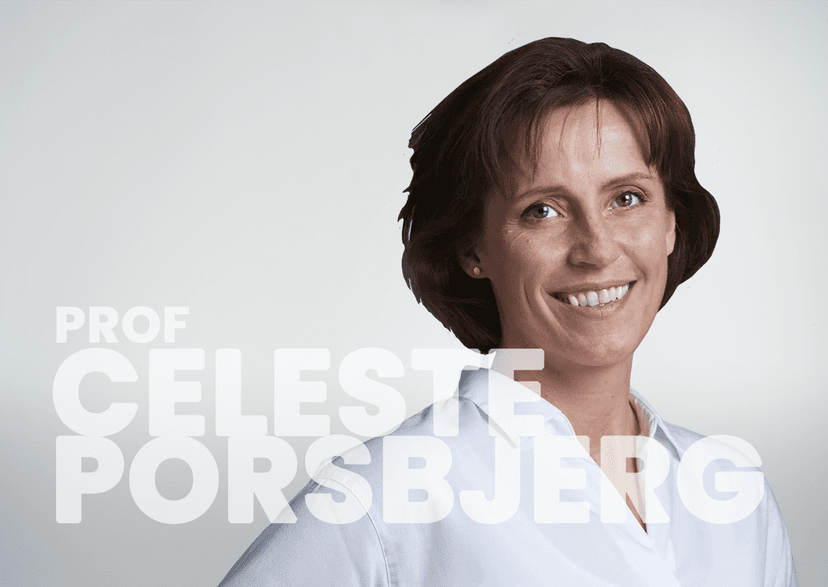
Mucus Plugging as a Potential Target in Asthma Management
Join Dr. Celeste Porsbjerg as she explores the mechanisms underlying mucus plugging development as mucociliary clearance. She explains how type 2 cytokines—particularly IL-13—impair this clearance mechanism, leading to mucus plugging, and worsened asthma outcomes.

Cracking the Code: Diagnosing and Managing Skin Diseases With Type 2 Inflammation
This symposium delves into the pivotal role of type 2 inflammation in diverse skin conditions, including atopic dermatitis, prurigo nodularis, chronic spontaneous urticaria, and bullous pemphigoid. It highlights both shared and distinct disease mechanisms and patient burdens, providing crucial insights for optimizing clinical management strategies through a series of engaging panel discussions with Drs Eichenfield, Elmariah, Culton, and Hawkes.

UEGW 2024 | WHAT Can Be Used to Monitor Treatment Response in EoE and WHEN?
Dr. Milli Gupta emphasizes the need to regularly monitor multiple disease domains when assessing treatment response, not just EoE symptoms.
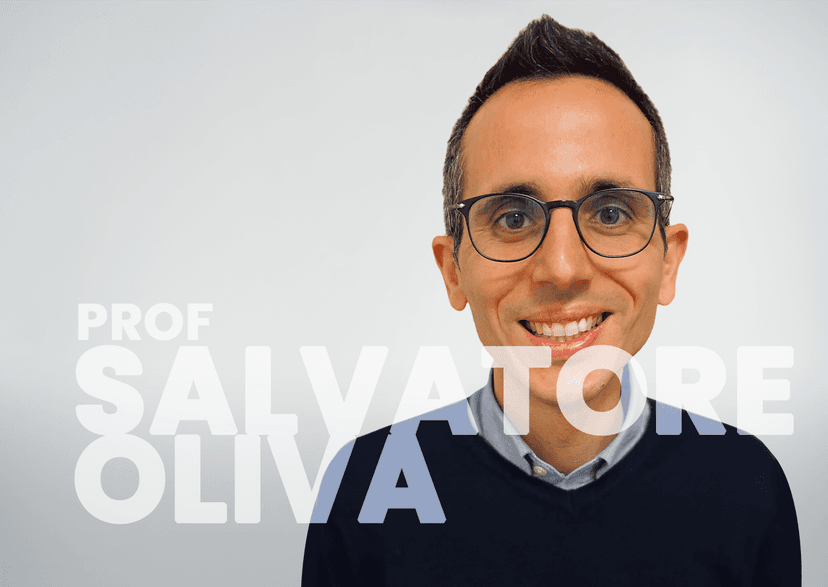
UEGW 2024 | WHY Is Long-Term Management of EoE Important?
Prof. Salvatore Oliva discusses the impact of chronic type 2 inflammation on EoE progression, highlighting the need for long-term management.
A Tale of Two Itches: Bridging the Gap With Type 2 Inflammation in PN and CSU
Join Drs. Elmariah, Kim, and Metz as they explore the latest research on neuro-immune mechanisms driving chronic itch and inflammation in PN and CSU.
