33 search results for: comorbidities

Early Intervention May Have the Potential to Alter the Trajectory of Atopic Dermatitis
Dr. Lawrence Eichenfield discusses the meaning of "early intervention" and its potential implications in atopic dermatitis.
ADVENT on Air: OCS in CRSwNP Podcast
Listen to experts, Dr. Amber Luong and Dr. Marjolein Cornet, discuss the significant burden of oral corticosteroid (OCS) use in chronic rhinosinusitis with nasal polyps (CRSwNP) and its short-term, long-term, and cumulative risks, particularly for patients with coexisting conditions like asthma. Experts highlight the need for improved multidisciplinary approaches and OCS-sparing strategies to optimize patient care.
Time to Act: Reducing the Impact of Uncontrolled Disease Through Early Intervention
Dr Jason Hawkes describes the importance of early intervention for patients with uncontrolled skin diseases and the effectiveness of evidence-based management strategies, sharing a patient case and his clinical insights with chronic spontaneous urticaria. Drs Eichenfield, Elmariah, and Culton join to review the burdens faced by patients with atopic dermatitis, prurigo nodularis, and bullous pemphigoid, respectively.

Cracking the Code: Diagnosing and Managing Skin Diseases With Type 2 Inflammation
This symposium delves into the pivotal role of type 2 inflammation in diverse skin conditions, including atopic dermatitis, prurigo nodularis, chronic spontaneous urticaria, and bullous pemphigoid. It highlights both shared and distinct disease mechanisms and patient burdens, providing crucial insights for optimizing clinical management strategies through a series of engaging panel discussions with Drs Eichenfield, Elmariah, Culton, and Hawkes.
ADVENT On Air | Early Intervention and Disease Modification in Atopic Dermatitis
Prof. Thomas Bieber explores early intervention and disease modification in atopic dermatitis.
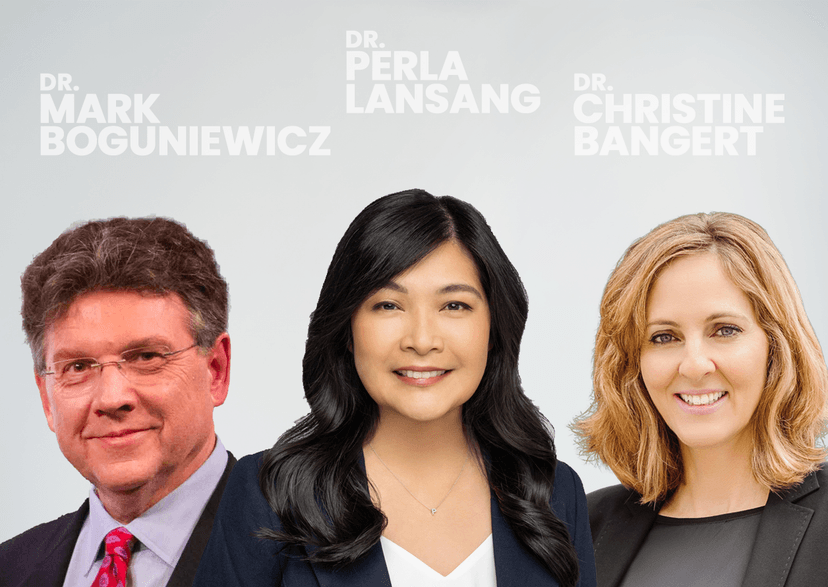
Emerging Perspectives on the Disease Burden and Management of Children With Atopic Dermatitis
This video of the October 2024 ADVENT symposium at EAPS in Vienna, Austria features Drs Christine Bangert, Mark Boguniewicz, and Perla Lansang as they discuss the inflammatory processes driven by type 2 cytokines that lead to AD and atopic comorbidities, the multidimensional and cumulative disease burden associated with AD and its comorbidities, and the current and emerging treatment options for children with AD uncontrolled with topical therapy
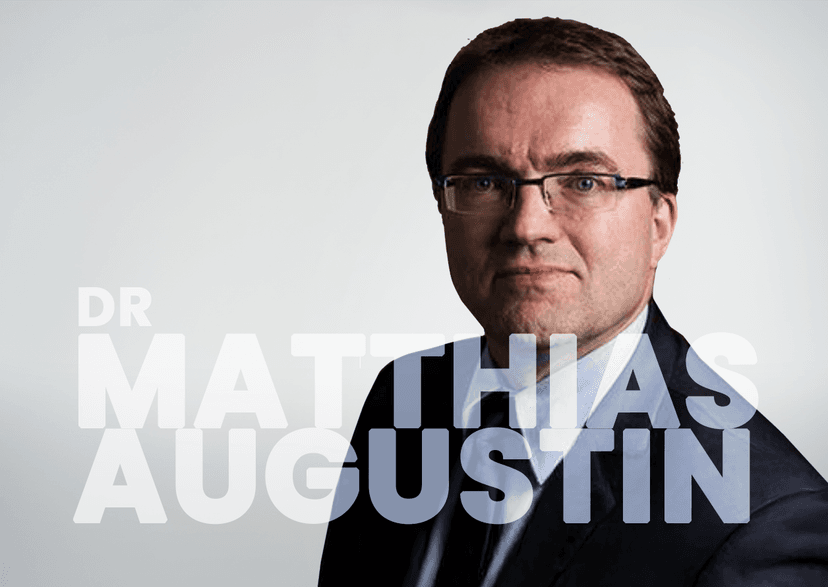
Beyond the Visible: The Cumulative Burden of Prurigo Nodularis
Professor Matthias Augustin emphaizes that prurigo nodularis is a chronic systemic disease with a significant and multifaceted burden, encompassing both visible skin manifestations and hidden psychosocial and physical comorbidities.
The Benefits of Early Intervention in AD: More Than Skin Deep
Many AD treatment goals focus on clinical manifestations, so that if a patient is free of lesions, their disease is considered well controlled. However, the inflammatory process underlying AD reaches far beyond the skin, affecting patients in unique ways at different stages of their lives. Education on the importance of treating AD beyond the skin and altering the treatment approach to fit the individual patient will help improve clinical management and reduce long-term patient burden.
ADVENT at WCPD 2025
The ADVENT symposium at the 15th World Congress of Pediatric Dermatology (WCPD) will focus on discussions around disease modification in atopic dermatitis (AD) in three main topic areas: restoring the skin barrier, reducing non-atopic comorbidities, and stopping the atopic march in pediatric patients with AD aged 6 months to 11 years.
