57 search results for: chronic inflammation

Understanding IL-33: A Key Factor in COPD Pathogenesis
Explore the role of interleukin (IL)-33 in chronic obstructive pulmonary disease (COPD) pathophysiology and its potential as a therapeutic target.

Type 2 Inflammation Is a Driving Factor for Atopic Dermatitis and Related Comorbidities
Dr. Lawrence Eichenfield describes the pathophysiology of atopic dermatitis and how type 2 inflammation may sensitize patients to atopic comorbidities.

Beyond the Visible: The Cumulative Burden of Prurigo Nodularis
Professor Matthias Augustin emphaizes that prurigo nodularis is a chronic systemic disease with a significant and multifaceted burden, encompassing both visible skin manifestations and hidden psychosocial and physical comorbidities.
Prurigo Nodularis: Type 2 Inflammation Links Neuronal Dysfunction and Fibrosis
This infographic highlights how PN is driven by type 2 inflammation, linking immune dysregulation, fibroblast activation, and neuronal dysfunction to nodule formation. It also shows how cytokine-mediated changes in neuronal architecture increase excitability and chronic itch, where resulting lesions and scarring significantly impact patients’ psychological well-being.

Role of Type 2 Cytokines in Asthma and COPD
Dr Mario Castro explains how type 2 cytokines play a crucial role in airway remodeling and inflammation in asthma and COPD, impacting patient outcomes.
2025 ADVENT Forum | Potential for Disease Modification in the Airway
Unlock new perspectives on managing chronic airway diseases. Profs. Leonard Bacharier, Eugenio De Corso, Stella Lee, Marc Miravitlles, Celeste Porsbjerg, Klaus Rabe, and Martin Wagenmann – share their collective wisdom and experience on the evolving landscape of therapeutic strategies aimed at truly modifying disease progression, offering renewed hope for patients and practitioners alike.

Eosinophils: A Biomarker in COPD
Learn how to identify chronic obstructive pulmonary disease (COPD) patients with type 2 inflammation using blood eosinophil (EOS) levels, understand the associated risks, and recognize factors that may influence EOS counts.

2025 ADVENT Forum | Remodeling in the Airway: A Damaged State of Affairs
Explore the intricate world of airway remodeling with this comprehensive recording of the live session held at the 2025 ADVENT Forum: "Remodeling in the Airway: A Damaged State of Affairs." Moderated by Dr. Stella Lee, this session brings together a powerhouse multidisciplinary panel to dissect the multifaceted nature of airway damage.

Type 2 Inflammation Contributes to Itch and Fibrois in PN
Join Dr. Kwatra outlining the micro itch cycle involving type 2 cell polarization and cytokines that directly affect fibroblasts to cause more immune dysregulation in PN.
Phenotypes and Endotypes of COPD
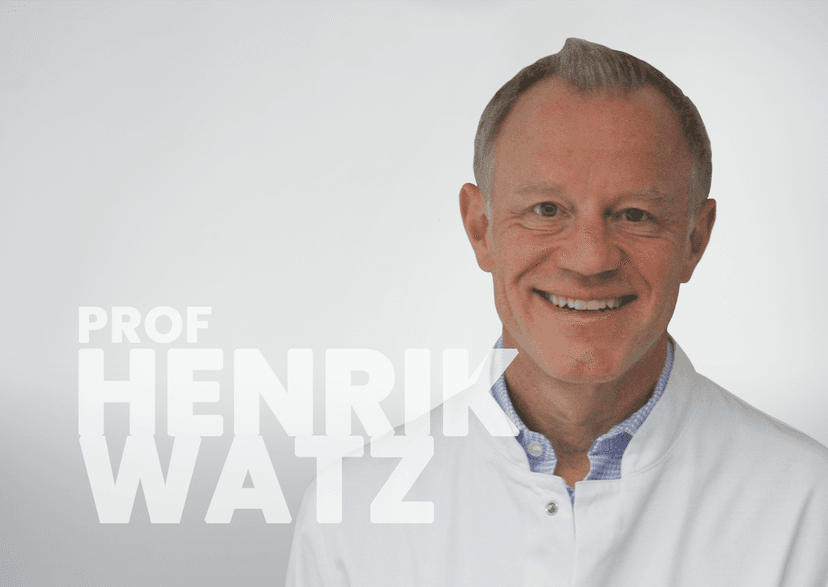
Dr Henrik Watz discusses the two main COPD phenotypes: emphysema-predominant and bronchitis-predominant, detectable via clinical assessment and CT imaging.
Beyond Itch: The Multifaceted Role of IL-4/IL-13 in the Pathogenesis of PN
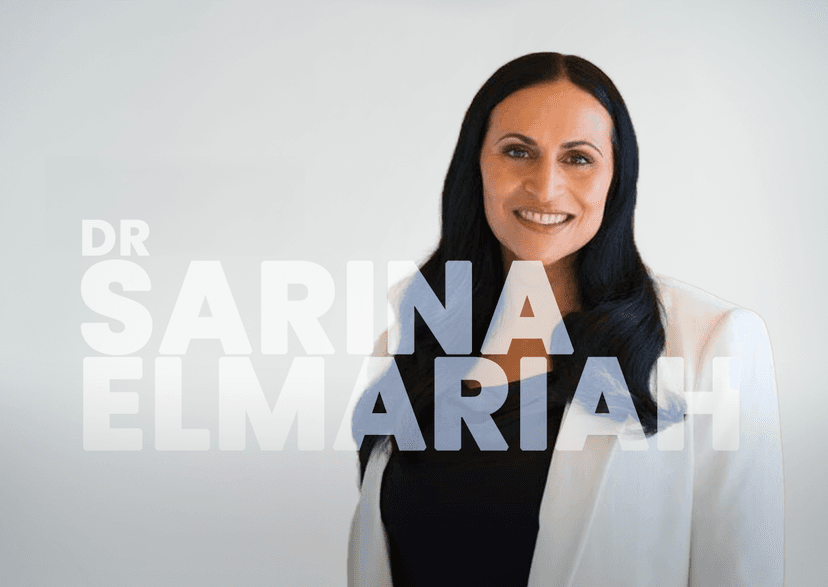
Professor Sarina Elmariah describes how IL-4 and IL-13, key drivers of type 2 inflammation, uniquely contribute to manifestations of prurigo nodularis beyond itch.

The Role of IL-4 and IL-13 in CSU Pathogenesis
Dive into the complex pathophysiology of chronic spontaneous urticaria (CSU), where mast cell degranulation drives the hallmark signs and symptoms. This interactive infographic elucidates how key type 2 cytokines, specifically IL-4 and IL-13, contribute to mast cell activation, immune cell trafficking into the skin, and neuronal sensitization in CSU, which ultimately leads to the release of mediators like histamine that cause wheals, angioedema, and itch.
