19 search results for: guidelines

Urticaria Guidelines Recommend the Assess, Act/Adjust, and Reassess Principles
Dr. Jason Hawkes discusses the guidelines for chronic spontaneous urticaria and how they will impact patient management.
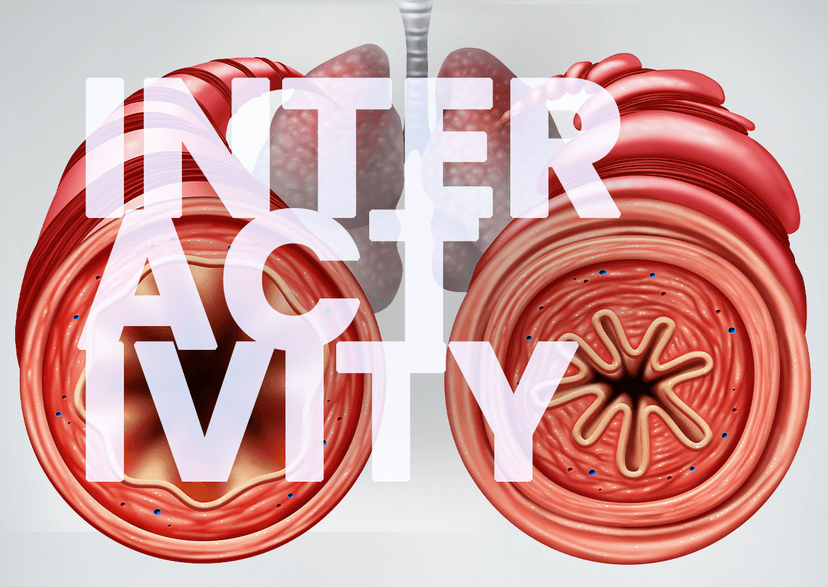
On-Treatment Asthma Remission Infographic
This infographic provides an overview of clinical remission in asthma, including its evolving definitions, key remission criteria, supporting evidence, and its importance as a treatment goal in asthma management.

ERS-ISIAN 2025 | Disease Control in CRSwNP
Unpack the keys to successful disease control in CRSwNP alongside expert Prof. Vibeke Backer. Learn how to navigate treatment pathways for improved patient quality of life.

Partnering With Patients: Scores That Matter in CRSwNP
Learn how partnering with patients and considering the clinical relevance of symptom improvements can improve patient quality of life
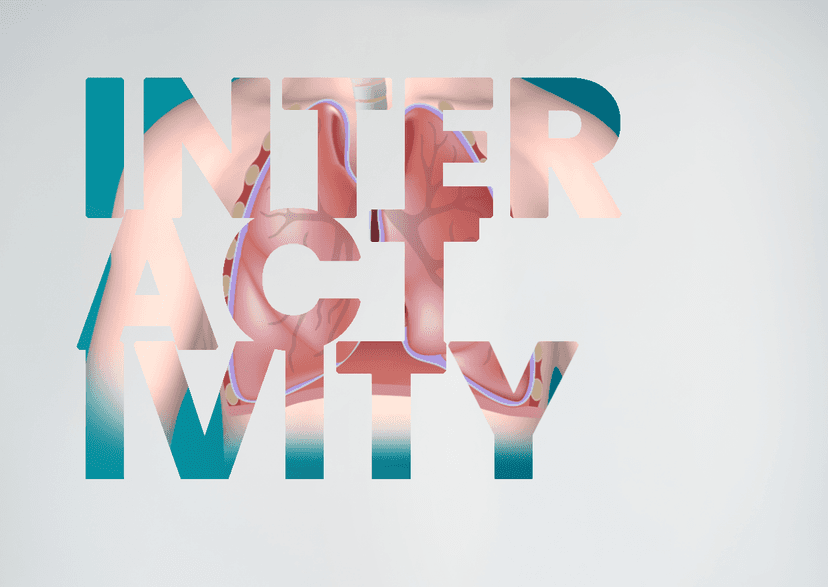
Uncovering the Impact of Moderate COPD Exacerbations
The infographic provides information about the clinical characteristics used to classify moderate COPD exacerbations and the impact of these events on lung function, future risk, and mortality.

Chronic Spontaneous Urticaria Is a Clinical Diagnosis
Dr. Jason Hawkes elucidates the different types of urticaria and the key features that distinguish chronic spontaneous urticaria.

ADVENT On Air | Disease Modification in Severe Asthma: Framework, Assessment, and Clinical Impact
Join Professors Brusselle and Backer as they discuss the concept of disease modification in asthma.

Which Biomarkers of AD Might Be Robust Enough to Be Evaluated as a Measure of Disease Modification?
In this soundbite video from the April 2025 ADVENT Forum in Lisbon, Portugal, Prof. Oscar Palomares reviews the cellular and molecular pathways underlying atopic dermatitis and considers which biomarkers may one day serve as robust measures of disease modification, despite no validated options currently being available.

How Can FeNO Measurement Improve Severe Asthma Management?
Join Dr. Miguel Lanz as he explains the clinical utility of FeNO as a biomarker of severe asthma.
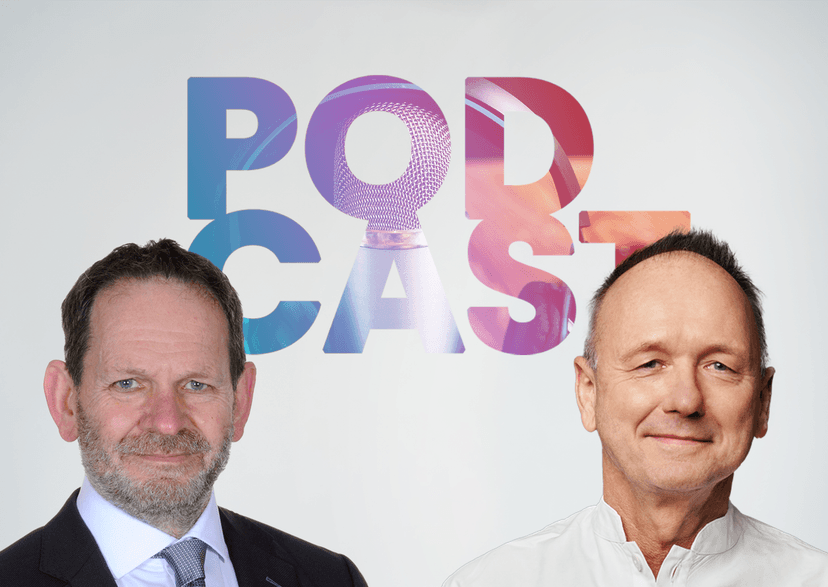
ADVENT On Air | The Road Ahead: Achieving Remission for Patients With Asthma
Join Professors Klaus Rabe and Ian Pavord as they discuss the importance of on-treatment clinical remission as a goal in asthma management.
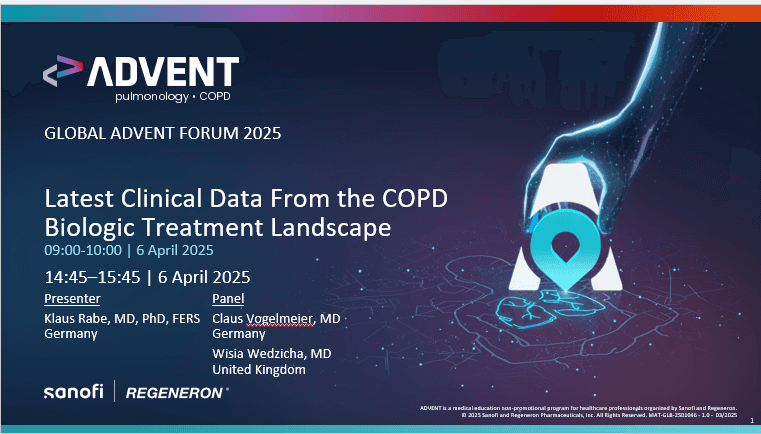
2025 ADVENT Forum | Latest Clinical Data from the COPD Biologic Treatment Landscape
Explore the dynamic advancements in COPD biologic therapies. Prof. Klaus Rabe, MD, Prof. Claus Vogelmeier, MD, and Prof. Wisia Wedzicha, MD, present and analyze the latest clinical data, offering key insights into current and emerging therapeutic strategies for managing COPD.

Type 2 Inflammation and Sinonasal Barrier Dysfunction in CRSwNP
Explore how type 2 inflammation drives sinonasal barrier dysfunction in chronic rhinosinusitis with nasal polyps (CRSwNP) with this video on the cellular mechanisms behind hallmark symptoms — including nasal congestion and loss of smell.
