8 search results for: multiple disease dimensions
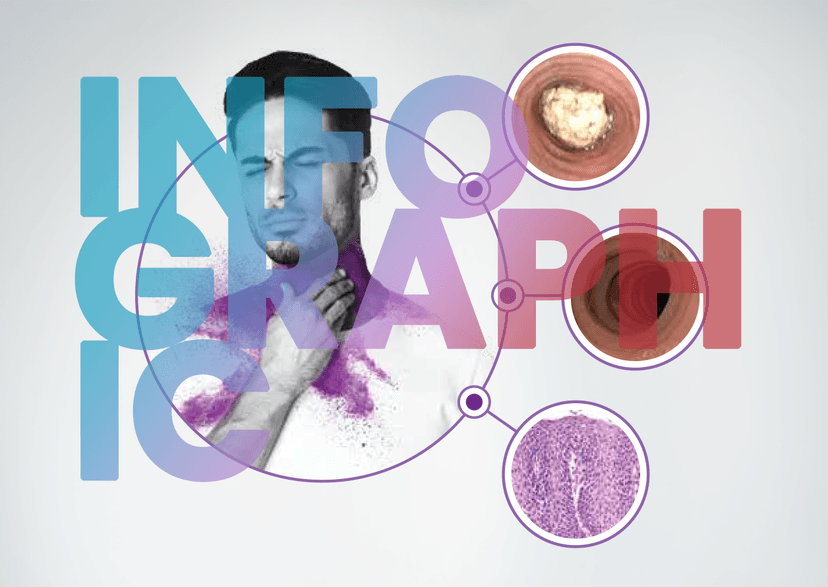
Importance of Assessing Key Disease Domains in EoE Infographic
Learn about the importance of assessing key disease domains in EoE by focusing on symptoms, QoL, endoscopy, and histology.

Gastro Forum 2025 | EoE: How Far We've Come
Prof. Salvatore Oliva and Dr. Milli Gupta discuss the evolution in understanding EoE and the impact of chronic, underlying type 2 inflammation.
The Benefits of Early Intervention in AD: More Than Skin Deep
Many AD treatment goals focus on clinical manifestations, so that if a patient is free of lesions, their disease is considered well controlled. However, the inflammatory process underlying AD reaches far beyond the skin, affecting patients in unique ways at different stages of their lives. Education on the importance of treating AD beyond the skin and altering the treatment approach to fit the individual patient will help improve clinical management and reduce long-term patient burden.

Children and EoE: More Than Just Being a Picky Eater
Join Prof. Alexandra Papadopoulou as she reviews the multifaceted burden of children with EoE.

The Need for Maintenance Therapy in EoE
Hear Dr. Evan Dellon outline the benefits of maintenance therapy in EoE and the importance of an individualized treatment approach for each patient.
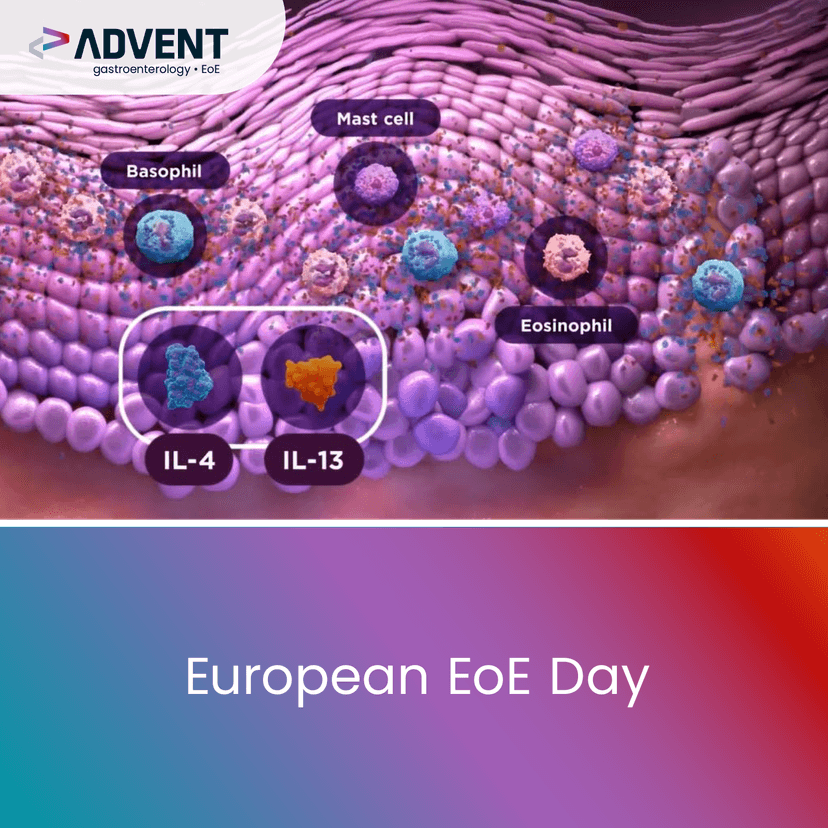
European EoE Day 2024 | May 22
In recognition of European EoE Day, ADVENT is providing medical education resources to increase awareness of eosinophilic esophagitis (EoE).
ADVENT at San Diego, 2024
Two educational symposia at San Diego, 2024, explore the role of type 2 inflammation and the related manifestations in atopic dermatitis, prurigo nodularis, and chronic spontaneous urticaria.
National Eosinophil Awareness Week 2024 | May 19-25
In recognition of National Eosinophil Awareness Week, ADVENT is providing medical education resources to increase awareness of eosinophilic esophagitis (EoE).
